The finger prick is still stinging when the blood bank volunteer tells you to wait a few months before donating again. Low iron is often the reason, and ferritin is the protein that stores iron, the body's savings account before hemoglobin ever dips.
This 14 day low ferritin meal plan is a food-first two weeks built to put more iron on the plate and help you hold onto it, with heme iron from meat, fish, and poultry, non-heme iron from lentils, beans, spinach, tofu, and seeds, and vitamin C at the meals that need the assist.
It suits adults who have a low ferritin result and were told to raise iron through food, especially people with heavy periods, recent blood donors, and vegetarians or vegans whose plant iron needs more careful pairing. A hunch about tiredness is not the same as a lab result.
Food can support iron status, but it cannot diagnose the cause or promise a number on the next test. Blood loss, pregnancy, gut bleeding, low intake, and absorption problems all sit behind a low ferritin, and only your care team can sort out which one is yours.
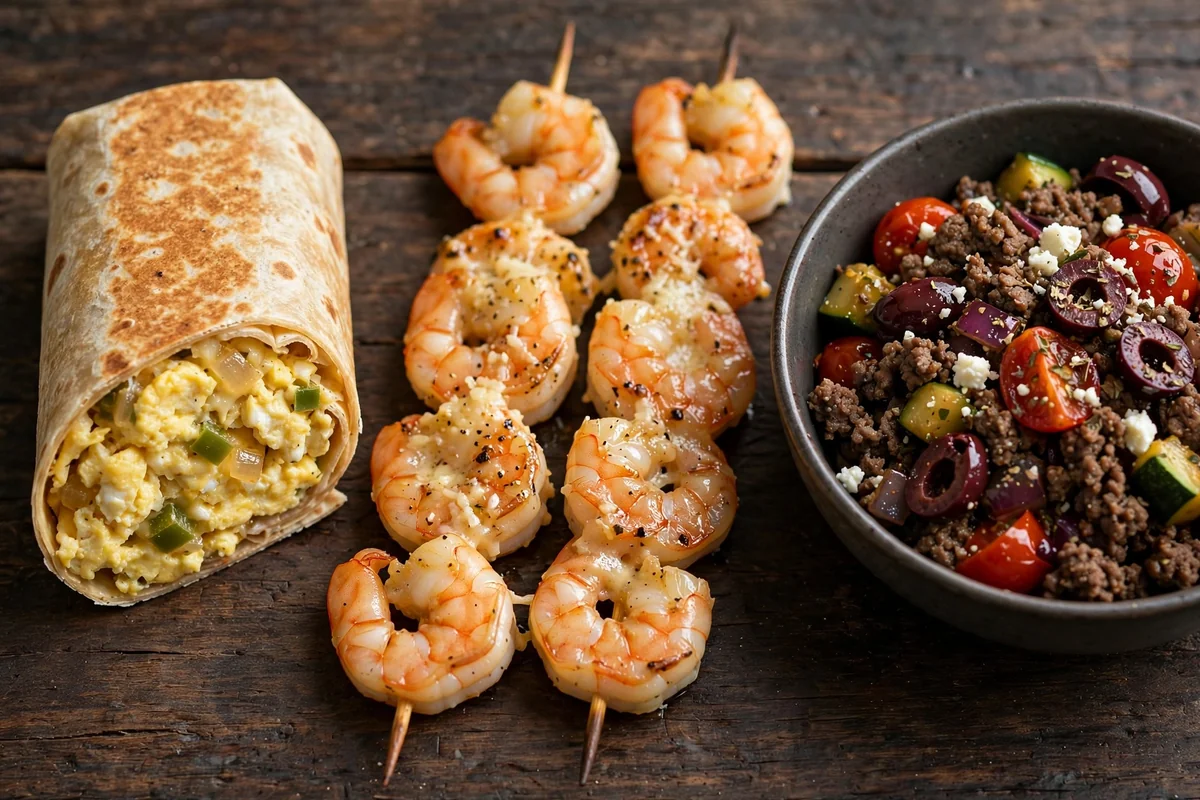
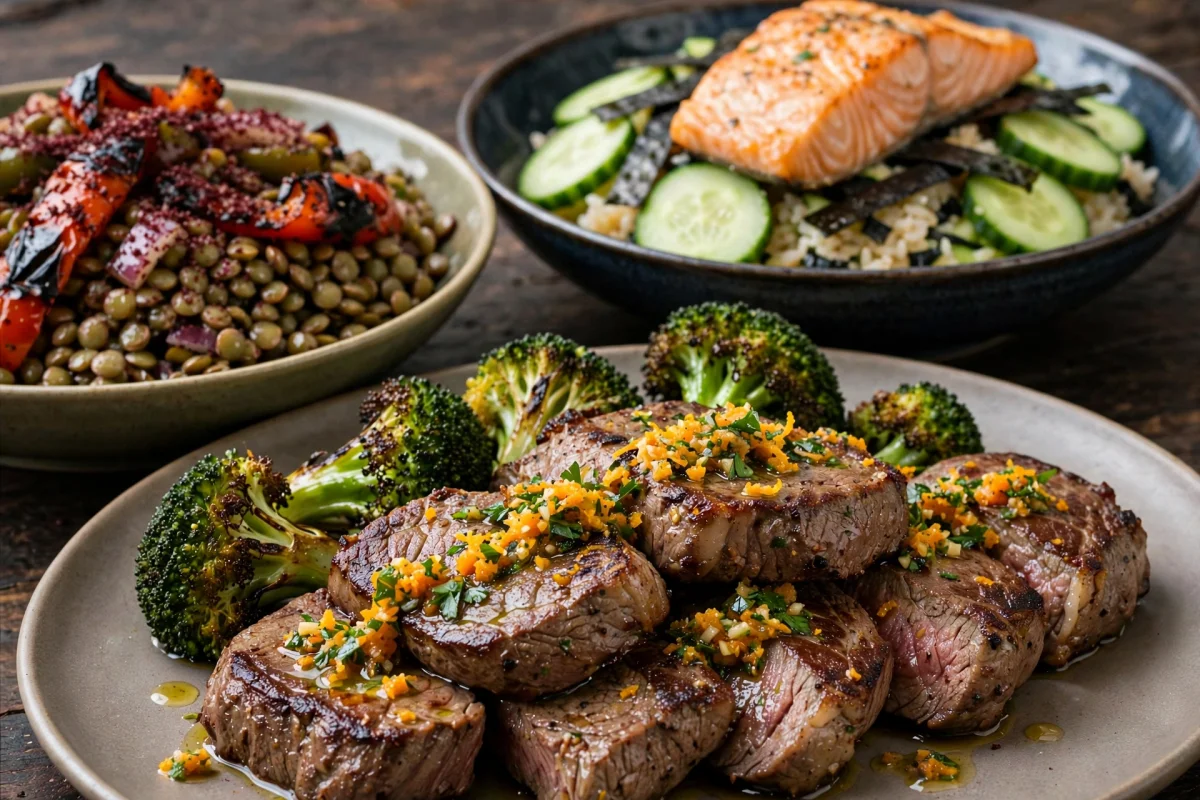
The table looks like steak with broccoli and orange gremolata, chicken tinga tacos with cabbage, salmon rice bowls, lamb and spinach curry with millet, and snacks built on pumpkin seeds, tahini, dried apricots, and dark chocolate. No day asks you to eat liver if you hate it.
Use this menu alongside your care team, not instead of it. Severe deficiency often needs supplements or medical treatment, and if you take prescribed iron, keep taking it exactly as directed while you cook from this 14 day low ferritin meal plan.
Key Principles of a Low Ferritin Diet
Iron is not one food and one rule. It is a mineral that moves through the body with helpers and blockers, and the six habits below decide how much of the iron on your plate actually gets used. None of them requires a supplement or a scale, and all of them fit a normal kitchen.
- Heme and Non-Heme Both Belong: Beef, chicken, turkey, and fish carry heme iron, which the body absorbs more easily, while lentils, beans, spinach, tofu, fortified cereal, and pumpkin seeds carry non-heme iron. Harvard's Nutrition Source explains the difference, and the two weeks use both.
- Vitamin C Sits Beside the Plant Iron: Citrus, tomatoes, peppers, strawberries, and kiwi help convert non-heme iron into a form the gut can take in, and the effect works best when both land in the same meal. A squeeze of lemon or half a red pepper is enough, so the pairing never needs to become a supplement.
- Tea, Coffee, and Calcium Wait Their Turn: Tannins in tea and coffee bind iron, and calcium supplements or large dairy portions compete for the same absorption window. Keep the mug about an hour away from iron-rich meals, take calcium supplements at a different time, and let cheese be a flavor rather than the center of the plate.
- Test First, Then Treat Alongside Your Care Team: A low ferritin is a lab result, not a diagnosis on its own. Heavy periods, pregnancy, gut bleeding, low intake, and absorption problems can all pull ferritin down, and MedlinePlus notes that iron needs vary by age, sex, and pregnancy status.
- Some Groups Run Low More Easily: Menstruating adults, blood donors, vegetarians and vegans, pregnant people, endurance athletes, and anyone with a gut condition that affects absorption carry a higher risk. If that list includes you, ask for iron studies rather than a hemoglobin test alone, and mention the pattern to your care team.
- Food Supports, It Does Not Replace: The plate can make the iron you eat more available, but severe deficiency often needs supplements or medical treatment. Never stop prescribed iron or change a dose on your own, and if a supplement upsets your stomach, ask your care team about timing or a different form instead of quitting.
Your 14 Day Low Ferritin Meal Plan for Iron Deficiency
The first week leans on beef, chicken, salmon, and lentils, with peppers, tomatoes, and citrus at the meals that carry plant iron. The second week adds lamb, shrimp, and chickpeas, so the shopping list stays familiar while the table keeps changing.
Day 1
Breakfast:
- Molasses Oat Bowl with Blackberries and Pumpkin Seeds: Oats simmer with a spoon of blackstrap molasses until they turn dark and malty, then blackberries and toasted pumpkin seeds go on top. The berries bring the vitamin C, and the molasses brings iron and a sweetness that tastes like gingerbread.
Lunch:
- Green Lentil and Charred Pepper Salad with Sumac: Firm green lentils toss with blistered red peppers, parsley, and a sumac lemon dressing that soaks into the warm lentils. It packs well for a desk lunch, and the pepper does the vitamin C work without anyone noticing.
Dinner:
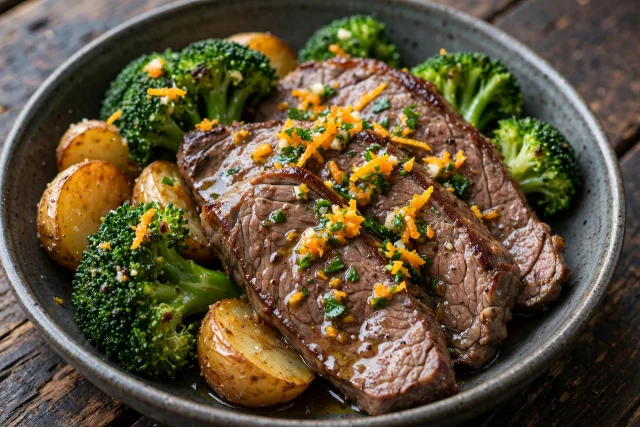
- Seared Beef with Broccoli and Orange Gremolata: Thin beef strips sear hard in a hot pan, then broccoli joins with garlic and a splash of water until it turns bright green. Orange zest and parsley go on at the end, and the citrus wakes up the whole plate.
Snacks:
- Dried Apricots with Dark Chocolate and Pistachios: Soft apricots, two squares of dark chocolate, and a small handful of pistachios make a snack that feels like a treat. Keep a portion in a jar for the afternoon, since dried fruit and nuts travel better than a promise.
Day 2
Breakfast:
- Sweet Potato and Chorizo Egg Scramble with Salsa Verde: Sweet potato cubes soften in a skillet before chorizo and eggs go in, and the salsa verde spooned over the top keeps the plate sharp. It is a slow morning breakfast that cooks in one pan on a busy day.
Lunch:
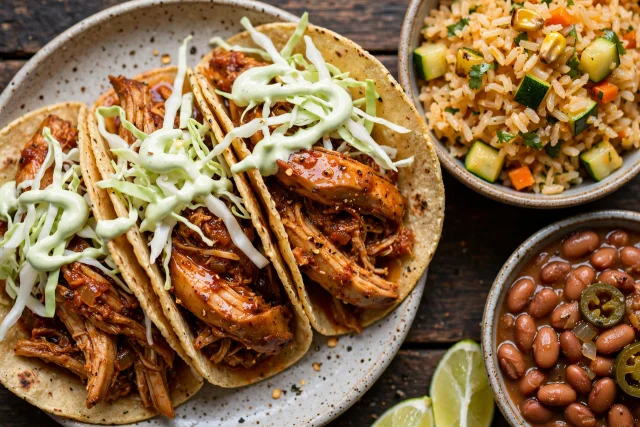
- Chicken Tinga Tacos with Cabbage and Lime Crema: Chicken simmers in tomato and chipotle until it shreds, then stacks into warm corn tortillas with crunchy cabbage and a lime crema. The cabbage and lime are the point, not a garnish, because they help the iron land.
Dinner:
- Black Bean and Spinach Enchiladas with Charred Tomato Salsa: Black beans and spinach fill corn tortillas, and a charred tomato salsa goes over the top before the tray bakes. The edges crisp, the middle stays soft, and a little queso fresco finishes it.
Snacks:
- Orange Wedges with Chili Lime Pumpkin Seeds: Orange wedges with chili, lime, and toasted pumpkin seeds taste like a street snack. The seeds carry iron, and the orange carries the vitamin C that helps you use it.
Day 3
Breakfast:
- Salmon and Rice Breakfast Bowl with Cucumber and Nori: Cold cooked rice warms in a pan with a little sesame oil, then flaked leftover salmon, cucumber, and nori go on top. It is a fast breakfast that feels like a proper meal, and the oven baked salmon recipe makes enough for two mornings when the fridge is empty.
Lunch:
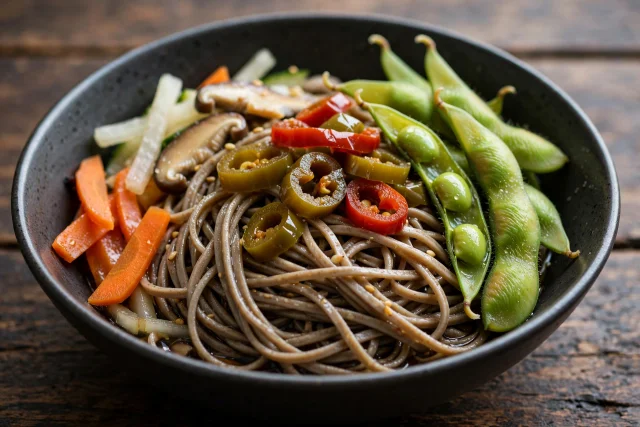
- Buckwheat Soba with Edamame and Pickled Peppers: Soba noodles chill with edamame, pickled peppers, scallions, and a sesame dressing that clings to every strand. The buckwheat and edamame both carry iron, and the peppers bring the vitamin C.
Dinner:
- Flank Steak and Bok Choy with Ginger Scallion Sauce: Flank steak sears in a screaming hot pan and rests while bok choy wilts in the same skillet. Ginger, scallion, and rice vinegar go over the top, and dinner lands on the table in twenty minutes.
Snacks:
- Edamame with Lemon Salt: A bowl of edamame steams in five minutes and gets lemon zest and flaky salt while it is still hot. The pods slow you down, which is useful when the afternoon wants a whole bag of something.
Day 4
Breakfast:
- Poha with Peanuts, Peas, and Lemon: Flattened rice softens in a hot pan with mustard seeds, peas, peanuts, and turmeric, then gets a squeeze of lemon at the end. It is a savory breakfast that comes together in ten minutes and wakes up a sleepy kitchen.
Lunch:
- Chana Masala with Spinach and Brown Rice: Chickpeas simmer with tomato, ginger, and garam masala until the sauce thickens, then spinach folds in at the last minute. Brown rice catches the gravy, and the tomato does the vitamin C work.
Dinner:
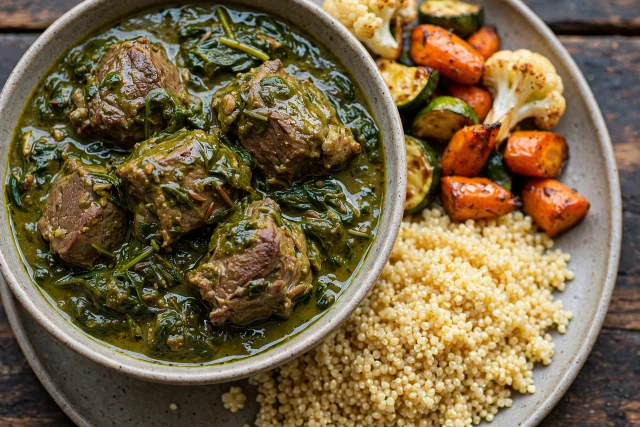
- Lamb and Spinach Curry with Millet: Lamb simmers low with onion, tomato, and warm spices until it turns tender, then spinach goes in for the final few minutes. Millet cooks like rice and brings a nutty edge that suits the sauce.
Snacks:
- Sesame and Jaggery Bites with Orange Segments: Sesame seeds and jaggery press into small bites, and orange segments sit alongside. The sesame carries iron, the orange carries vitamin C, and the whole snack takes ten minutes to make.
Day 5
Breakfast:
- Shakshuka with Lamb and Red Peppers: Ground lamb browns with onion and red pepper before tomatoes go in and eggs nest on top. The yolks stay soft, the peppers stay sweet, and bread is there for the sauce.
Lunch:
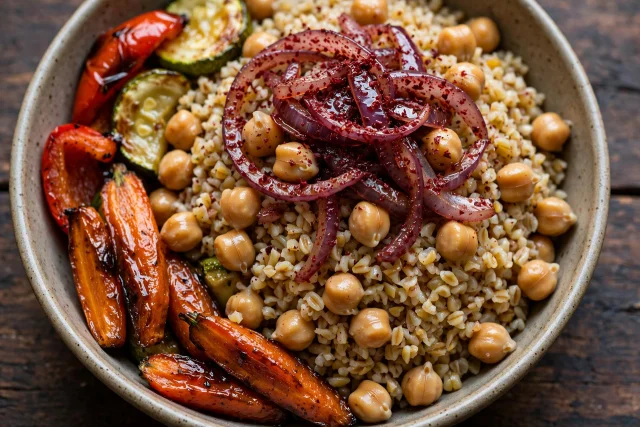
- Cracked Wheat Pilaf with Chickpeas and Sumac Onions: Bulgur steams with chickpeas and cumin, then gets folded with parsley and sharp sumac onions. It eats warm or cold, and the onions bring a brightness that keeps the grain from tasting flat.
Dinner:
- Sumac Chicken with Roasted Peppers and Freekeh: Chicken thighs rub with sumac, garlic, and olive oil before roasting over peppers and freekeh. The grain catches the drippings, and the peppers turn soft and sweet at the edges.
Snacks:
- Medjool Dates with Sesame Paste and Orange Peel: Split dates fill with tahini and a strip of orange peel, then sit in the fridge until they firm up. Two of them with tea feel like dessert, and the sesame brings iron to the break.
Day 6
Breakfast:
- Egg and Roasted Tomato Panino with Arugula: A soft roll holds a fried egg, roasted tomatoes, and a handful of arugula dressed with olive oil. The tomato is sweet from the oven, and the egg yolk soaks into the bread.
Lunch:
- White Bean and Tuna Salad with Lemon and Radicchio: Cannellini beans and olive oil tuna toss with radicchio, parsley, and a lemon dressing that cuts the richness. It holds in a container without wilting, which makes it a good lunch for a day at a desk.
Dinner:
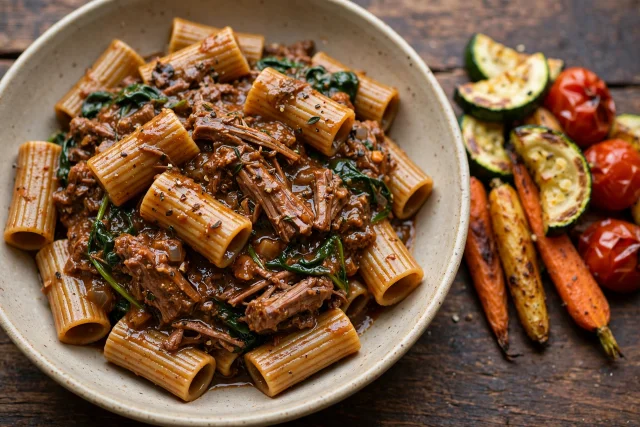
- Beef Ragu with Whole Wheat Rigatoni and Spinach: Ground beef simmers with tomato, garlic, and rosemary until the sauce turns thick and dark, then spinach wilts in at the end. Whole wheat rigatoni holds the ragu in its ridges, and the pot feeds a table.
Snacks:
- Cocoa Dusted Almonds with Orange Slices: Almonds toss in cocoa and a pinch of salt, then get eaten with orange slices. The cocoa makes them feel like a sweet, and the orange keeps the snack from turning dusty.
Day 7
Breakfast:
- Millet Porridge with Peanut Butter and Orange Segments: Millet simmers into a soft, nutty porridge, then peanut butter stirs through and orange segments go on top. It is warm, filling, and a little different from the usual oat bowl.
Lunch:
- Ethiopian Chickpea Salad with Collards and Lemon: Chickpeas toss with massaged collards, lemon, olive oil, and a pinch of berbere, then rest for ten minutes. The collards soften without losing their bite, and the lemon keeps the bowl bright.
Dinner:
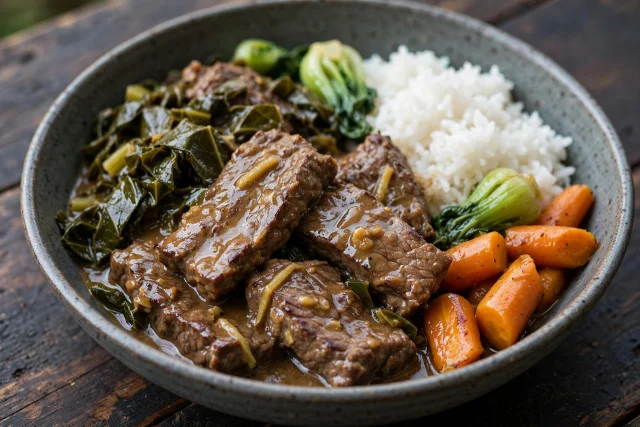
- Ginger Beef and Collard Green Stew with Rice: Beef chunks braise with ginger, tomato, and collards until the greens turn silky and the broth thickens. Rice goes underneath, and the pot tastes even better the next day.
Snacks:
- Mango with Toasted Pumpkin Seeds and Lime: Mango slices with lime and toasted pumpkin seeds are sweet, sour, and crunchy at once. It is the snack to make when the fruit bowl is ripe and dinner is still an hour away.
Day 8
Breakfast:
- Buckwheat Crepes with Ham and Gruyere: Buckwheat batter spreads thin in a hot pan, then folds around ham and a little Gruyere. The crepe turns crisp at the edges, and a handful of arugula on the side keeps the plate fresh.
Lunch:
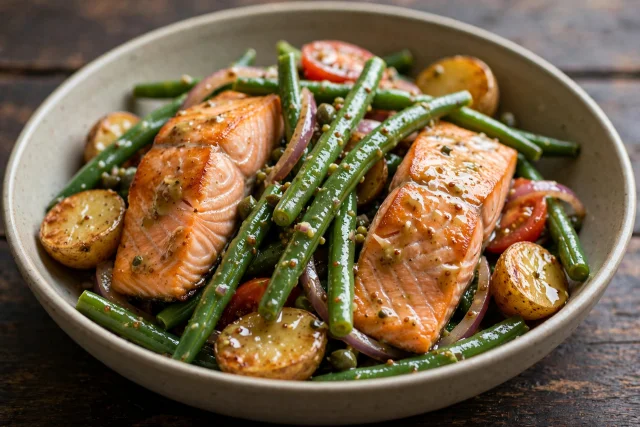
- Salmon and Green Bean Salad with Dijon Vinaigrette: Flaked salmon, blanched green beans, baby potatoes, and butter lettuce toss with a Dijon vinaigrette that has enough acid to cut the fish. It is a composed lunch that holds up in a container if you pack the dressing separately.
Dinner:
- Steak au Poivre with Watercress and Roasted Potatoes: Steak crusts in a hot pan, then a peppery pan sauce comes together in the same skillet. Watercress and roasted potatoes sit alongside, and the pepper keeps the rich sauce from feeling heavy.
Snacks:
- Dark Chocolate with Hazelnuts and Dried Apricots: Two squares of dark chocolate, a few hazelnuts, and three apricots make a small plate that closes the day. The apricots bring iron, and the chocolate makes it feel like a ritual.
Day 9
Breakfast:
- Korean Beef and Egg Rice Bowl with Sesame: Ground beef browns with garlic, soy, and sesame, then spoons over warm rice with a fried egg on top. Scallions and cucumber go alongside, and the yolk runs into the rice.
Lunch:
- Bibimbap with Tofu, Spinach, and Carrots: Crisp tofu, wilted spinach, shredded carrot, and rice arrange in a bowl with gochujang thinned with a little sesame oil. Mix it all together, and the vegetables stay bright against the heat.
Dinner:
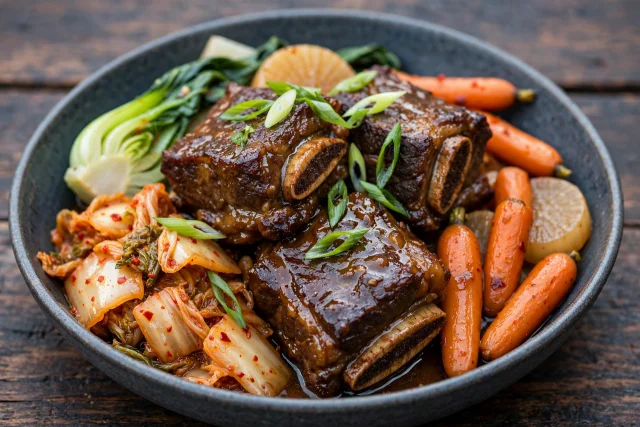
- Braised Short Ribs with Kimchi and Scallions: Short ribs braise low with soy, garlic, and ginger until the meat pulls apart, then kimchi and scallions go on top. The kimchi brings acid and spice, and the sauce begs for rice.
Snacks:
- Persimmon Slices with Toasted Sesame: Ripe persimmon slices with toasted sesame and a pinch of salt taste like autumn on a plate. The fruit is sweet enough that nothing else needs adding.
Day 10
Breakfast:
- Fortified Granola with Strawberries and Pumpkin Seeds: Fortified granola, sliced strawberries, and pumpkin seeds go into a bowl with cold milk or yogurt on the side. Check the label for iron, since brands vary, and let the berries bring the vitamin C.
Lunch:
- Chickpea and Feta Salad with Oregano and Lemon: Chickpeas, cucumber, cherry tomatoes, and a little feta toss with oregano, lemon, and olive oil. The feta is a flavor, not the center, so the plate stays light enough for the afternoon.
Dinner:
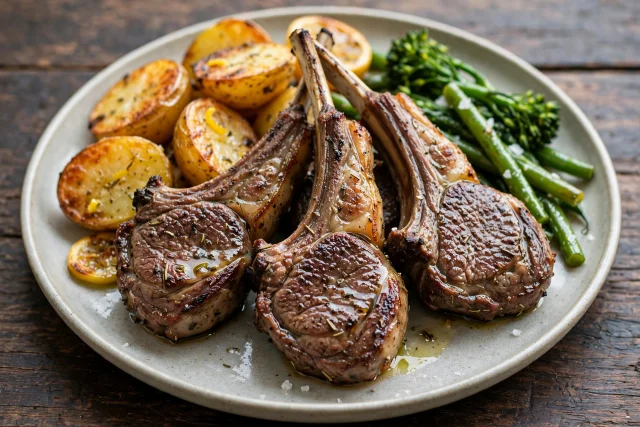
- Grilled Lamb Chops with Lemon Potatoes and Greens: Lamb chops grill until the fat renders and the edges char, while potatoes roast with lemon and oregano. A handful of arugula finishes the plate, and the whole tray tastes like a taverna.
Snacks:
- Halva with Pistachios and Orange Segments: A thin slice of sesame halva with pistachios and orange segments is a sweet snack with real iron behind it. Keep the slice small, since halva is rich, and let the orange do the refreshing.
Day 11
Breakfast:
- Pho Spiced Beef Noodle Bowl with Herbs: Beef broth simmers with star anise, cinnamon, and ginger, then thin beef slices and rice noodles go in at the end. Basil, cilantro, and lime pile on top, and the bowl wakes up the whole morning.
Lunch:
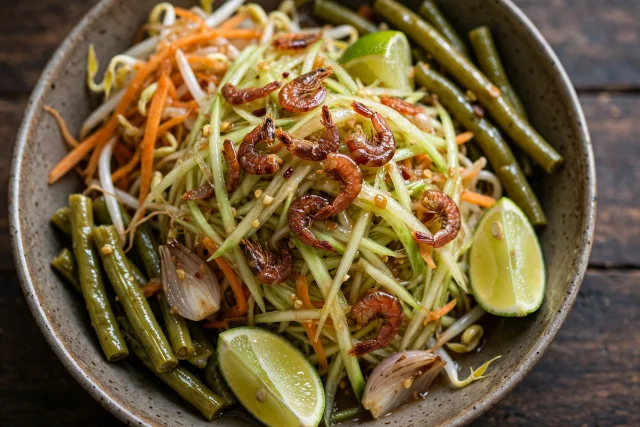
- Green Papaya Salad with Dried Shrimp and Lime: Green papaya shreds with carrot, then tosses with dried shrimp, lime, fish sauce, and a pinch of chili powder. It is crunchy, salty, and sour, and the shrimp brings iron to a salad that never feels virtuous.
Dinner:
- Lemongrass Chicken with Red Pepper and Rice: Chicken thighs marinate in lemongrass, garlic, and fish sauce before searing until caramelized. Red pepper and rice go alongside, and the plate smells like a street stall in the best way.
Snacks:
- Coconut Mango Chia Cup: Chia seeds swell in coconut milk with a little honey, then mango goes on top. Make four jars at once, and the snack half of the week is handled.
Day 12
Breakfast:
- Tomato Bread with Serrano Ham and Fried Egg: Toasted bread rubs with garlic and ripe tomato, then takes serrano ham and a fried egg. The tomato soaks into the bread, and the ham brings the heme iron that makes this breakfast worth repeating.
Lunch:
- Garlic Shrimp with White Beans and Piquillo Peppers: Shrimp sears with garlic and olive oil, then joins white beans and sweet piquillo peppers in the pan. A squeeze of lemon finishes it, and the dish is ready before the bread hits the table.
Dinner:
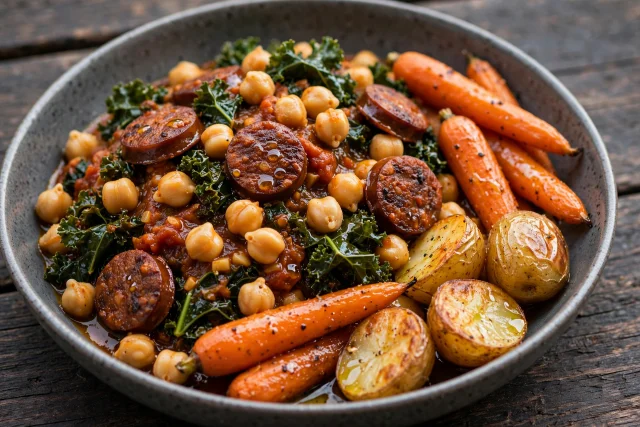
- Chorizo and Chickpea Stew with Kale: Chorizo renders its paprika-red fat before chickpeas, tomato, and kale go in. The stew thickens as it sits, and a bowl of it with whole wheat bread is dinner on a cool evening.
Snacks:
- Orange and Almond Biscuits: Small almond biscuits with orange zest are the kind of thing to keep in a tin for the afternoon. Two with a glass of water are enough, and the orange keeps them from tasting heavy.
Day 13
Breakfast:
- Fortified Grits with Poached Egg and Collards: Fortified grits cook soft, then get topped with a poached egg and collards wilted with garlic. The yolk runs into the grits, and the greens bring iron and a little bitterness that cuts the richness.
Lunch:
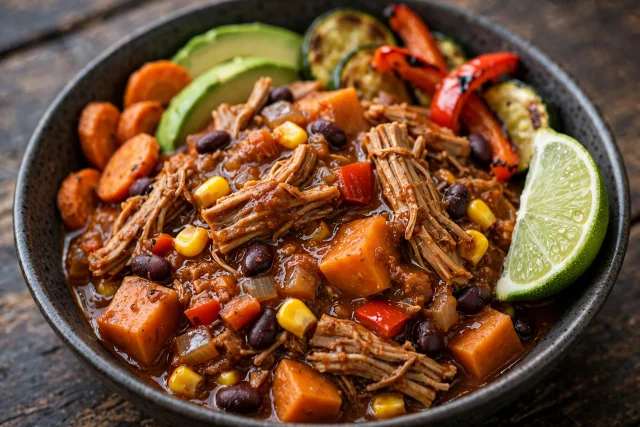
- Turkey and Sweet Potato Chili with Lime: Ground turkey, sweet potato, and black beans simmer with chili powder and tomato until the sweet potato softens. Lime at the end keeps the pot bright, and the leftovers hold for days.
Dinner:
- Cast Iron Steak with Spinach and Roasted Tomatoes: A steak sears in a cast iron pan, then rests while spinach wilts in the same fat and tomatoes roast alongside. The plate is simple, and the spinach carries as much iron as the meat.
Snacks:
- Blackstrap Molasses Energy Bites: Oats, peanut butter, and blackstrap molasses press into bites that taste like a soft ginger cookie. The molasses is the iron source, and the bites keep in the fridge for the week.
Day 14
Breakfast:
- Ful Medames with Tomato, Cumin, and Lemon: Fava beans simmer until soft, then get crushed with garlic, cumin, tomato, and lemon. A drizzle of olive oil and a piece of whole wheat bread turn it into a breakfast that holds until lunch.
Lunch:
- Herbed Bulgur Salad with Chickpeas and Pomegranate: Bulgur, chickpeas, parsley, mint, and pomegranate seeds toss with lemon and olive oil. The pomegranate brings vitamin C and a pop of sweetness, and the salad keeps for a day in the fridge.
Dinner:
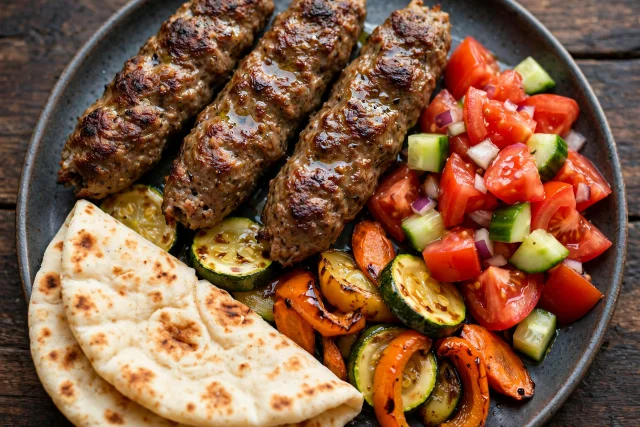
- Lamb Kofta with Tomato Salad and Flatbread: Ground lamb mixes with onion, parsley, cumin, and cinnamon before shaping into small kofta and grilling. A sharp tomato salad and warm flatbread go alongside, and the plate feeds a table.
Snacks:
- Apricot and Pistachio Bites: Dried apricots and pistachios chop together, then press into small bites with a little orange juice. They travel well, and the apricots bring iron to the last snack of the two weeks.
Your Complete Low Ferritin Diet Grocery List
One main shop covers the two weeks, with a quick midweek stop for fish and greens if your store runs lean. The aisles run from produce to pantry, and every item earns a place in at least one dish. Check the label on granola, grits, and bread, since fortified brands vary and the iron number is the reason they are here.
Fruits
- Fresh Fruits: blackberries, oranges, lemons, limes, strawberries, mango, persimmon, pomegranate (for the oats, snacks, salads, and salsas).
- Dried Fruits: dried apricots, Medjool dates (for the snack plates and sesame bites).
Vegetables
- Leafy Greens: spinach, collard greens, kale, arugula, butter lettuce, radicchio (for the curries, stews, salads, and scrambles).
- Cruciferous: broccoli, green cabbage (for the beef stir-fry and the tacos).
- Root Veggies: sweet potatoes, potatoes, carrots, onions, garlic, fresh ginger (for the hash, roasts, stews, and curries).
- Others: red bell peppers, green papaya, cucumbers, cherry tomatoes, tomatoes, scallions, bok choy, green beans, peas (for the salads, stir-fries, and braises).
- Herbs: parsley, cilantro, mint, basil, rosemary, lemongrass (fresh where the dish calls for it).
Proteins
- Beef and Lamb: flank steak, sirloin steak, ground beef, beef chunks for stew, short ribs, lamb chops, ground lamb (for the sears, ragu, stews, and kofta).
- Poultry: chicken thighs, ground turkey (for the tinga, lemongrass chicken, and chili).
- Fish and Seafood: salmon, canned tuna, shrimp, dried shrimp (for the rice bowl, salad, and papaya salad).
- Pork: chorizo, serrano ham, ham (for the scramble, panino, and stew).
- Eggs and Soy: eggs, firm tofu, edamame (for the scrambles, bowls, and bibimbap).
Legumes and Grains
- Legumes: green lentils, chickpeas, black beans, cannellini beans, fava beans (canned or dried, for the salads, enchiladas, and stews).
- Grains: rolled oats, millet, brown rice, sushi rice, soba noodles, bulgur, freekeh, rice noodles, poha (for the breakfasts, bowls, pilafs, and noodles).
- Breads and Wraps: whole wheat bread, corn tortillas, flatbread, soft rolls (for the panino, tacos, and kofta).
- Fortified Staples: fortified granola, fortified grits, buckwheat flour (check the label for iron, since brands vary).
Nuts, Seeds, and Dairy
- Nuts: pistachios, peanuts, almonds, hazelnuts (for the snacks and pilafs).
- Seeds: pumpkin seeds, sesame seeds, chia seeds (for the oats, snacks, and chia cups).
- Nut Butters and Tahini: peanut butter, tahini (for the porridge, dates, and dressing).
- Dairy: Gruyere, feta, queso fresco, plain yogurt, milk (small amounts for the crepes, salad, enchiladas, and crema).
Pantry, Oils, and Flavorings
- Oils and Vinegars: olive oil, toasted sesame oil, rice vinegar (for the sears, dressings, and finishes).
- Canned and Jarred: canned tomatoes, beef broth, coconut milk, salsa verde, chipotle in adobo, kimchi, piquillo peppers, pickled peppers, Dijon mustard, soy sauce, fish sauce, gochujang (for the stews, tacos, and bowls).
- Spices: sumac, berbere, garam masala, cumin, turmeric, mustard seeds, chili powder, cinnamon, star anise, dried oregano, black pepper, flaky salt (for the spice blends across the two weeks).
- Sweet and Pantry: blackstrap molasses, jaggery, honey, dark chocolate, cocoa powder, nori, halva, almond biscuits (for the oats, snacks, and breakfast bowl).
How to Customize Your Iron Deficiency Meal Plan
The two weeks bend around what your kitchen has, and these five swaps keep the iron and the vitamin C in place when the original dish cannot happen in your kitchen. Each one has been checked against the pairing rules that hold the rest of the two weeks together.
- When Red Meat Leaves the Plate: Lentils, chickpeas, tofu, or eggs can take the beef or lamb slot, and the vitamin C side stays exactly where it is. A vegetarian can run the whole two weeks this way, though plant iron needs more consistent pairing and a care team's eye on the numbers.
- When the Fish Counter Is Thin: Canned salmon, sardines, or frozen shrimp cover the fish meals without a trip across town. Rinse canned fish if the salt bothers you, and keep the lemon and pepper doing the flavor work.
- When Dairy Starts to Crowd the Plate: Skip the feta or Gruyere and finish the dish with tahini, olive oil, or toasted seeds instead. Calcium is not the enemy, but a large dairy portion at every iron meal leaves less room for absorption, so move it to a snack.
- When the Morning Mug Is Nonnegotiable: Keep the tea or coffee and move it about an hour after breakfast. The ritual survives, the tannins land outside the absorption window, and the iron in your oats gets a cleaner run.
- When the Budget Is Tight: Beef and lamb are the expensive end of the two weeks, so stretch them with lentils, eggs, canned fish, and chicken thighs. The budget fall meal plan runs the same cook-once rhythm with cheaper cuts.
Getting Started With This 14 Day Low Ferritin Meal Plan
Start with one main shop and a short prep session, cooking a pot of brown rice, simmering lentils, toasting a tray of pumpkin seeds, and mixing a jar of lemon dressing. Wash the greens, portion the nuts, and keep a small jar of molasses bites in the fridge, and the first three days already have their building blocks waiting.
The food side still needs a referee, since only a blood test shows what your ferritin and hemoglobin are doing. If heavy periods or a hormone condition such as PCOS is part of your picture, the PCOS friendly meal plan covers that side too. Bring the two weeks to your next appointment and follow the testing your care team sets.
Keep exploring with our calm low FODMAP week for a sensitive gut, steady semaglutide menu for smaller appetites, affordable Thanksgiving table built on turkey, meatless holiday spread with plant iron, and cold weather week with the same prep rhythm, alongside a gentle beginner week for IBS and a food-first week for hormone-related skin.
This article is for information only and is not medical advice. Read our full disclaimer.