Halfway down the canned goods aisle the cart stops, and the label gets turned over for the third time that morning. Sodium numbers have a way of turning an ordinary shop into a research project.
This 7 day DASH diet meal plan takes the guesswork out of that aisle with seven full days of breakfasts, lunches, dinners, and snacks built on the serving pattern the DASH research trials used for blood pressure.
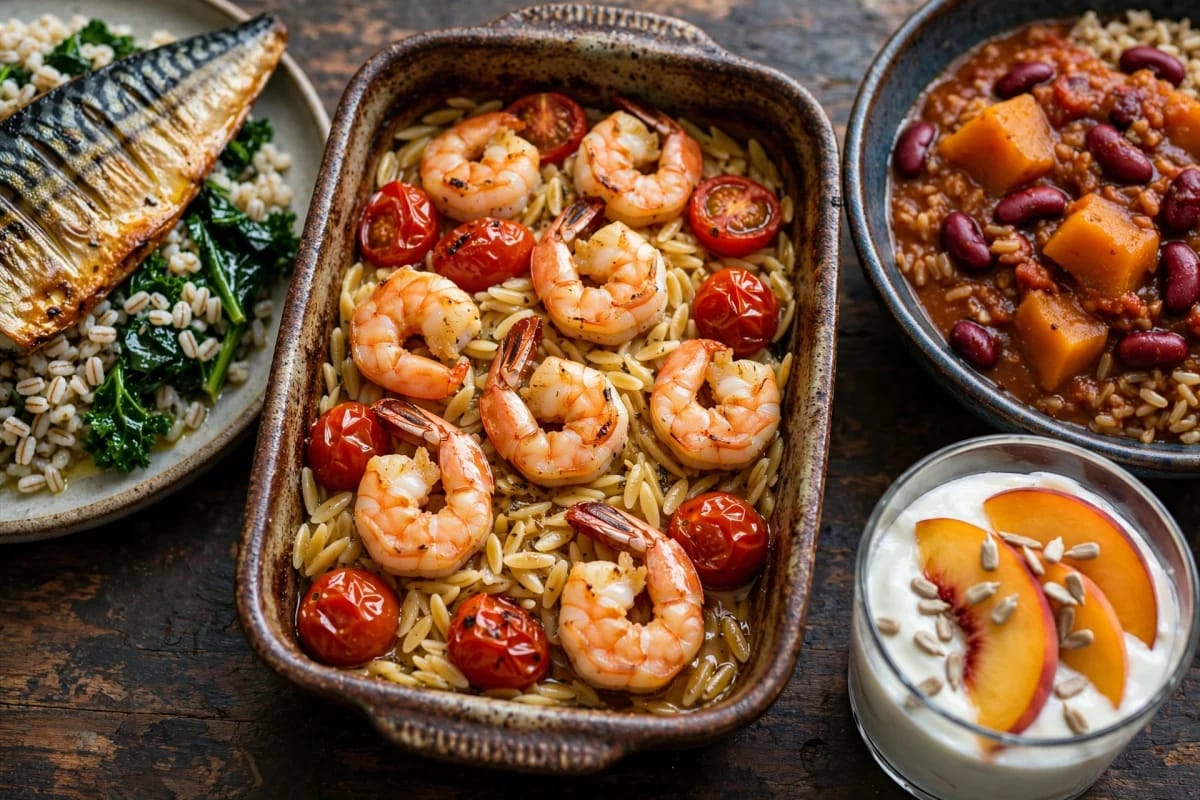
Expect shrimp baked with orzo and tomato, mackerel grilled beside barley, a peanut stew thick with collards, and bowls of yogurt, oats, and lentils that carry a day without much meat. The plates look generous, because they are.
DASH stands for Dietary Approaches to Stop Hypertension, and the pattern is built on vegetables, fruit, whole grains, low fat dairy, beans, nuts, and fish, with sweets and red meat kept to small appearances across the week. Trials behind the pattern reported meaningful reductions in pressure for many adults who stayed with it.
The pattern is less about restriction than arithmetic, since four to five servings of vegetables and the same of fruit take up most of the plate before anything else gets a turn. Once those land, the rest of the day has room.
This week suits anyone whose clinician used the word hypertension, couples where one person needs the change and the other does the cooking, and readers who tried cutting salt alone and found the food too plain to keep going. Bring your readings to your next visit.
Key Principles of the DASH Diet
Five ideas hold this DASH diet meal plan together, and each one comes from the serving structure rather than from a list of forbidden foods. Count them once in the first week and the rest of the month runs itself, because the shape is easier to remember than a rulebook.
- Servings Beat Rules: Vegetables, fruit, grains, dairy, and protein each get a daily count, and the counts matter more than any single meal. A plate that hits its vegetable and fruit servings is already most of the way home.
- Dairy Earns Its Place: Two to three servings of low fat milk, yogurt, or cheese bring calcium and potassium that the pattern depends on. Skip them and the mineral balance tips, so the parfaits and the ricotta toasts are not decoration.
- Meat Becomes a Side: Six ounces of cooked lean meat, poultry, or fish covers a whole day, which is smaller than most dinner plates suggest. Beans, eggs, and dairy fill the protein gap without the saturated fat.
- Sweets Are Counted, Not Banned: Five small sweets a week keeps dessert in the picture without letting sugar crowd out the food that does the work. A square of chocolate counts, and so does a spoon of jam.
- Salt Falls in Stages: Sodium drops to 2,300 milligrams first and closer to 1,500 when the palate adjusts, because a sudden stop tastes like punishment. Herbs, citrus, and vinegar carry the gap while taste buds catch up.
Your 7 Day DASH Diet Meal Plan
Seven days here cover Greek, Korean, Italian, West African, Turkish, Caribbean, and Japanese cooking, which keeps the vegetable and fruit counts from turning into the same salad five nights running. Each day lands four to five vegetable servings, four fruit servings, and two dairy servings without a single tally sheet at the table.
Day 1
Breakfast:
- Greek Yogurt with Peaches and Sunflower Seeds: Thick yogurt layers with sliced peaches, a spoon of oats, and a scatter of sunflower seeds on top. It takes three minutes and covers a dairy serving and a fruit serving before the coffee is poured.
Lunch:
- Green Lentil Soup with Spinach and Lemon Zest: Green lentils simmer with carrot, celery, tomato, and a bay leaf, then spinach wilts in at the end with a hard squeeze of lemon. Make a double pot and the next two lunches are handled.
Dinner:
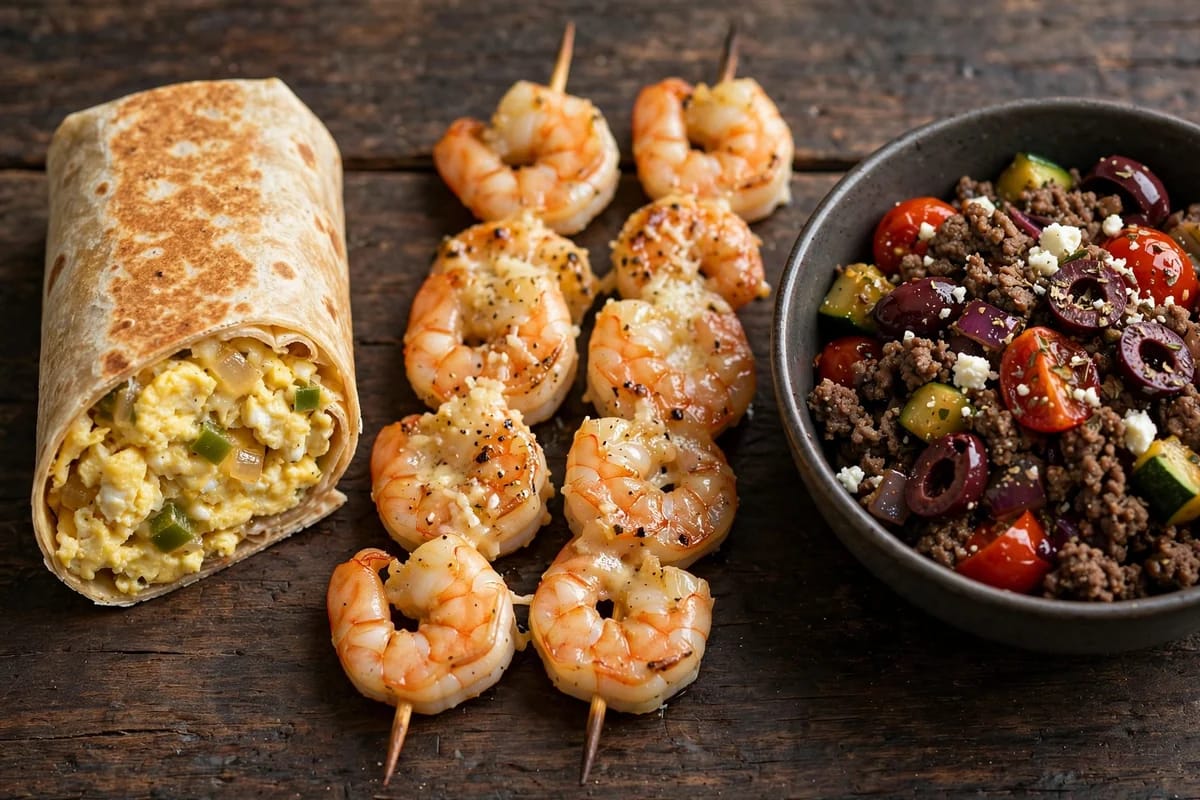
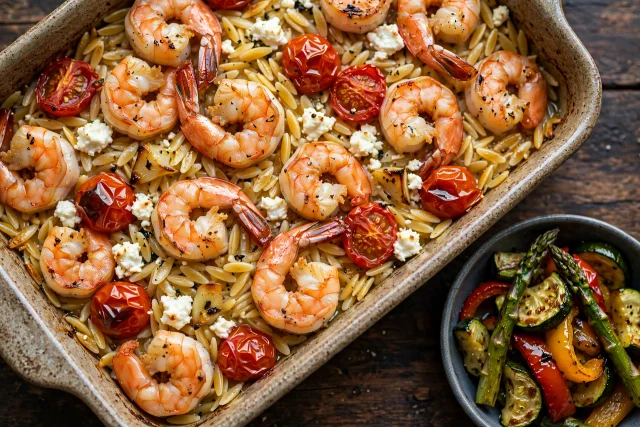
- Baked Shrimp with Orzo and Tomato: Shrimp, orzo, cherry tomatoes, and oregano bake in one dish with a little feta crumbled over the top. The orzo drinks the tomato juices, and the whole tray reaches the table in half an hour.
Snacks:
- Fig and Almond Plate: Two fresh figs split open with a small handful of almonds beside them. It looks like a restaurant plate and takes no cooking at all.
Day 2
Breakfast:
- Soft Tofu Scramble with Scallions and Rice: Silken tofu crumbles into a hot pan with scallions, sesame oil, and a pinch of turmeric, then settles beside warm short grain rice. It is softer and lighter than an egg scramble and just as filling.
Lunch:
- Cold Buckwheat Noodles with Cucumber and Sesame: Buckwheat noodles rinse under cold water, then toss with cucumber ribbons, scallion, sesame seeds, and a vinegar dressing. It is the lunch to make on a hot afternoon when nothing cooked sounds appealing.
Dinner:
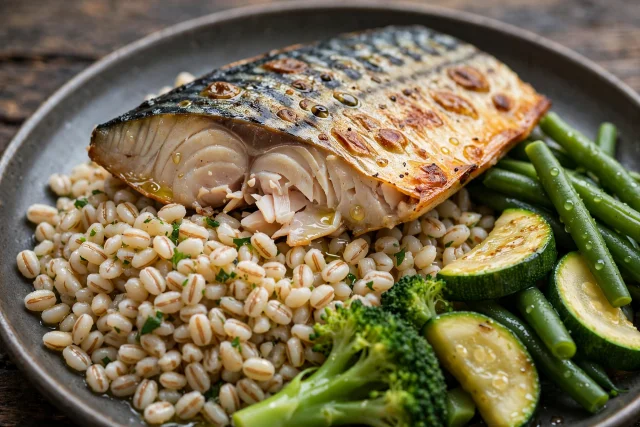
- Grilled Mackerel with Barley and Steamed Greens: Mackerel grills skin side down until the skin crisps, and the flesh stays rich and juicy underneath. Barley and a pile of steamed greens soak up the oil that runs off the fish.
Snacks:
- Korean Pear Slices with Pine Nuts: A cold Asian pear cut into thin crescents with a small spoon of pine nuts. The crunch is louder than the sweetness, which is exactly the point.
Day 3
Breakfast:
- Polenta with Berries and Ricotta: Soft polenta cooks in low fat milk, then a spoon of ricotta and a heap of warm berries go over the top. It eats like a dessert that happens to carry a dairy serving.
Lunch:
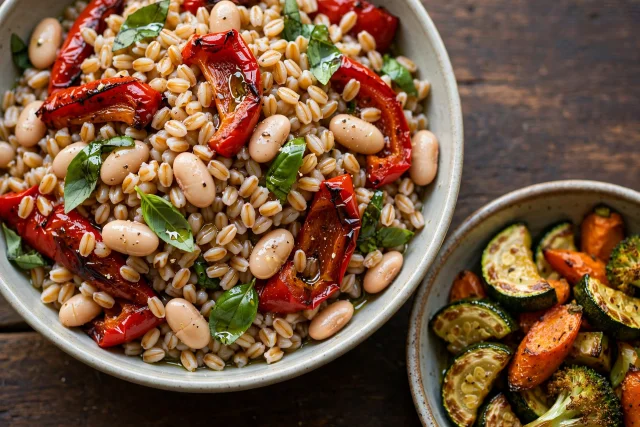
- Farro Salad with Roasted Peppers and Basil: Chewy farro tosses with roasted red peppers, white beans, basil, and a red wine vinegar dressing. It keeps three days in the fridge and gets better on the second.
Dinner:
- Hunter Style Chicken with Whole Wheat Penne: Chicken pieces braise with peppers, mushrooms, and tomato until the sauce turns deep and glossy, then whole wheat penne goes underneath. A little Parmesan at the table finishes it.
Snacks:
- Melon with Mint: Cold cantaloupe or honeydew in wedges with torn mint and a squeeze of lime. Two minutes of work, and it counts as a fruit serving.
Day 4
Breakfast:
- Millet Porridge with Mango and Peanuts: Millet simmers into a nutty porridge, then mango cubes and chopped peanuts land on top with a little cinnamon. It is the warmest breakfast of the week and the one that travels worst, so eat it at home.
Lunch:
- Black Eyed Pea Salad with Tomato and Pepper: Cooked black eyed peas toss with tomato, bell pepper, red onion, parsley, and cider vinegar. Pack it with a piece of whole wheat pita and lunch is done.
Dinner:
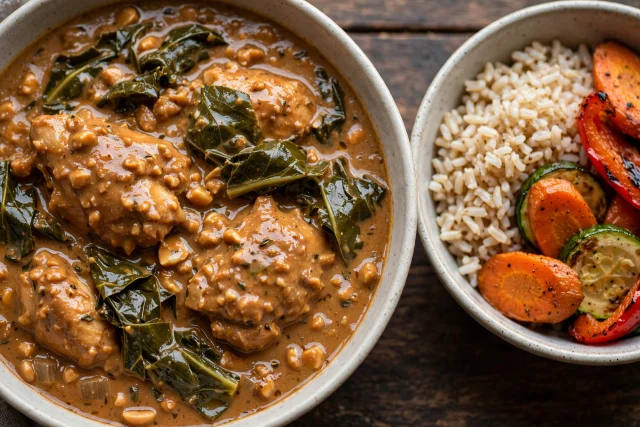
- Peanut Stew with Chicken and Collards: Chicken thighs simmer in a tomato and peanut broth with ginger, then collard ribbons go in until they turn silky. Serve it over brown rice and expect silence at the table.
Snacks:
- Baked Green Plantain Crisps: Green plantain sliced thin, tossed in a little oil, and baked until the edges curl and crisp. Salting them is optional, and they crunch like the packaged kind.
Day 5
Breakfast:
- Menemen with Whole Wheat Toast: Eggs slip into a pan of soft peppers and tomato and cook gently until barely set, then get scooped onto toasted whole wheat bread. It is a Turkish breakfast that makes a morning feel unhurried.
Lunch:
- Bulgur Pilaf Salad with Chickpeas and Herbs: Fine bulgur soaks up hot stock and lemon, then chickpeas, parsley, mint, and cucumber fold through. It is a five minute assembly if the bulgur is already soaked.
Dinner:
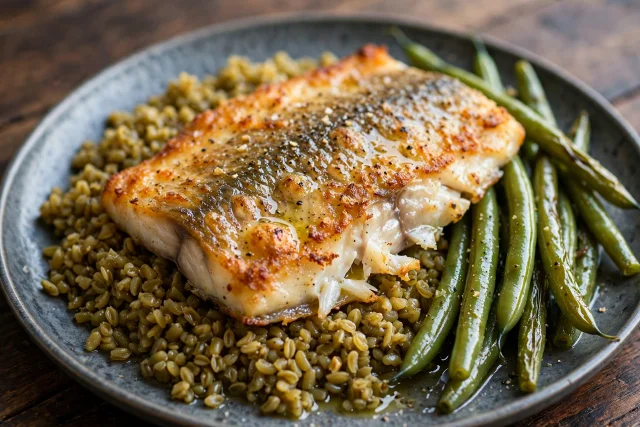
- Baked Sea Bass with Freekeh and Green Beans: Sea bass bakes with lemon slices and olive oil until it flakes in big soft pieces. Freekeh and green beans underneath catch the citrus and the juices.
Snacks:
- Dried Apricots with Pistachios: Dried apricots split and stuffed with pistachios, which is a two ingredient snack with real texture. Three of them handles a late afternoon.
Day 6
Breakfast:
- Coconut Cornmeal Porridge with Papaya: Cornmeal cooks slowly in light coconut milk until it turns silky, then cold papaya goes on top. The warm and cold contrast is the whole pleasure of this bowl.
Lunch:
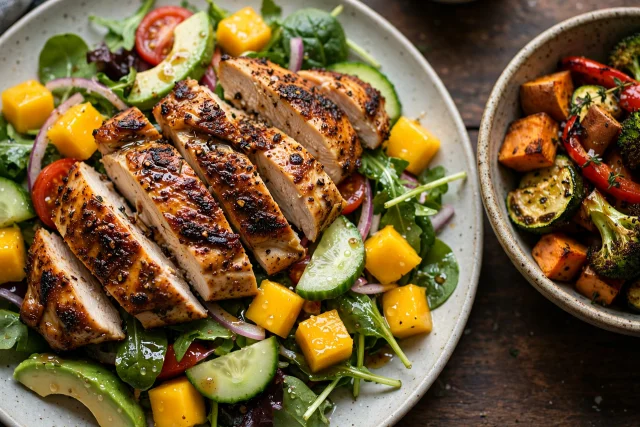
- Jerk Chicken Salad with Mango: Chicken breast rubbed with jerk seasoning and grilled, then sliced over greens with mango, cucumber, and a lime dressing. Keep the seasoning light on salt and heavy on thyme and allspice.
Dinner:
- Red Bean and Pumpkin Stew with Brown Rice: Kidney beans and pumpkin cubes simmer with thyme, scallion, and a scotch bonnet left whole for warmth. Brown rice underneath makes it a full dinner rather than a side.
Snacks:
- Coconut Water with Cashews: A glass of unsweetened coconut water with a small handful of cashews. It replaces a sports drink after a walk and carries potassium with it.
Day 7
Breakfast:
- Tamagoyaki with Brown Rice and Greens: Eggs roll into a soft layered omelet in a small pan, then sit beside brown rice and a handful of wilted greens. It is quiet, neat, and ready before the kettle boils twice.
Lunch:
- Soba Salad with Tofu and Radish: Cold soba, pan seared tofu cubes, radish slices, and scallion come together with a sesame and rice vinegar dressing. It travels well and never feels heavy at a desk.
Dinner:
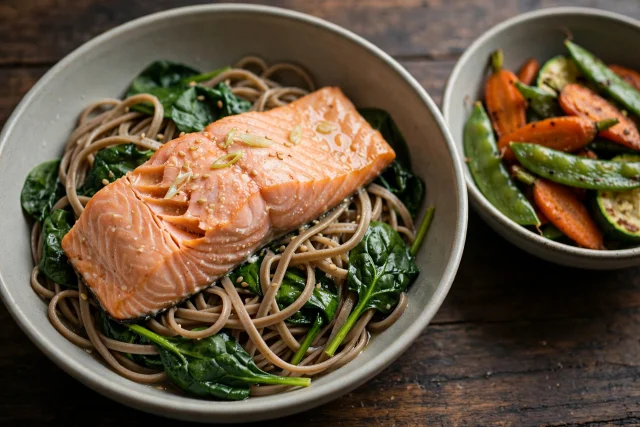
- Poached Salmon with Soba and Spinach: Salmon poaches gently in a ginger and scallion broth, and soba and spinach go into the same pot at the end. The broth becomes the sauce, so nothing is wasted.
Snacks:
- Persimmon Slices with Sesame: A ripe persimmon in thin slices with toasted sesame seeds scattered over. It is the sweetest thing in the week and arrives without any added sugar.
Your Complete DASH Diet Food List
This DASH diet food list covers every meal and snack above in aisle order, and it mirrors the serving groups the pattern leans on. Shop the list once, keep the grains and legumes stocked, and the week's counts look after themselves without a tally sheet.
Fresh Fruits
- Breakfast Fruit: Peaches, berries, mango, papaya, and melon (for the parfait, the polenta, the porridge, and the melon plate).
- Snack and Salad Fruit: Fresh figs, Asian pear, persimmon, apricots, cantaloupe, lemons, and limes (for four snacks and three dressings).
Vegetables
- Leafy Greens: Spinach, collard greens, mixed salad greens, parsley, mint, basil, and thyme (for the soup, the stew, the salads, and the jerk chicken).
- Everyday Vegetables: Cherry tomatoes, bell peppers, cucumber, celery, carrots, red onion, mushrooms, radish, scallion, and pumpkin (for the bake, the cacciatore, the stir fry, and the stew).
- Extras: Green beans, snow peas, garlic, fresh ginger, and a scotch bonnet pepper (for the fish plates and the Caribbean stew).
Legumes and Beans
- Pantry Legumes: Green lentils, chickpeas, black eyed peas, kidney beans, and white beans (for the soup, the pilaf, the lunch salad, the stew, and the farro bowl).
- Soy: Silken tofu and firm tofu (for the scramble and the cold soba salad).
Whole Grains
- Grains: Rolled oats, short grain brown rice, barley, farro, bulgur, millet, cornmeal, polenta, and buckwheat soba noodles (spread across seven days).
- Bread and Pasta: Whole wheat pita, whole wheat sandwich bread, and whole wheat penne (for the lunch salad, the menemen, and the cacciatore).
Dairy and Eggs
- Low Fat Dairy: Plain Greek yogurt, low fat milk, ricotta, and a small block of feta (for two dairy servings a day without heavy saturated fat).
- Eggs: One dozen eggs (for the menemen, the tamagoyaki, and a spare scramble).
Fish and Poultry
- Fish Counter: Shrimp, mackerel fillets, sea bass, and salmon (two fish dinners plus one shellfish bake).
- Poultry: Chicken thighs for the stew, chicken breast for the jerk salad, and chicken pieces for the cacciatore (about six ounces cooked per day).
Nuts and Seeds
- Crunch: Sunflower seeds, almonds, pine nuts, peanuts, pistachios, cashews, and sesame seeds (for breakfasts, snacks, and dressings).
Oils Spices and Flavorings
- Oils and Vinegars: Olive oil, toasted sesame oil, red wine vinegar, cider vinegar, and rice vinegar (every dressing, braise, and finish).
- Spice Rack: Oregano, turmeric, cinnamon, bay leaf, jerk seasoning, allspice, smoked paprika, black pepper, and a small jar of honey (flavor in place of salt).
How to Customize Your DASH Diet Plan
Life does not follow a menu, and the five adjustments below cover the places where this DASH diet meal plan usually bends. Each one keeps the serving counts intact while fitting the week around real schedules, real budgets, and the appetites of people who never asked for a diet.
- When You Eat Out More Than You Cook: Order the vegetable forward dish and ask for sauces on the side, then drink water instead of a sweet beverage. Restaurant sodium lands high, so pair an eating out day with simpler home meals around it.
- When Dairy Does Not Agree with You: Lactose free milk and yogurt carry the same calcium and potassium, and fortified soy milk works in porridge and smoothies. Keep the servings, swap the source.
- When the Family Wants Red Meat: Use a smaller amount of lean beef in the stew and stretch it with extra beans, which keeps the saturated fat down. Once a week fits the pattern fine.
- When You Need More Protein: Add a second egg at breakfast, a scoop of Greek yogurt to a snack, or an extra half portion of fish at dinner. Protein keeps hunger quiet without touching the sodium count.
- When Sweet Cravings Hit After Dinner: Reach for fruit with something rich beside it, like a date with a walnut or berries with ricotta. A counted sweet beats an uncounted one eaten standing at the counter.
Getting Started With This 7 Day DASH Diet Meal Plan
Begin with the serving counts rather than the recipes, since the pattern is easier to hold once the shape is clear. Cook a pot of barley, a pot of brown rice, and a tray of roasted peppers on the first afternoon and three dinners get shorter.
The National Heart, Lung, and Blood Institute DASH eating plan lays out the serving groups with portion sizes, which is the clearest starting point for a first week. Their high blood pressure guidance explains where sodium fits beside the rest of the pattern.
Whole grains carry a real share of the pattern, and the Harvard nutrition source on whole grains explains the difference between a whole grain and a refined one in plain terms. This week leans on barley, farro, bulgur, and brown rice for that reason.
If the budget is the sticking point, the budget friendly healthy menu keeps the same shape at a lower cost per plate, with beans and grains carrying more of the week. For a vegetarian version of the same idea, the beginner plant based week covers the protein swaps and still hits the dairy target.
Keep exploring with our gentle Crohn's week of meals and a fifty dollar grocery week, plus a low carb week, a balanced everyday menu and a low prep winter routine, alongside a Greek Mediterranean week and a set of fresh Mediterranean bowls.
This article is for information only and is not medical advice. Read our full disclaimer.