The week after a diverticulitis flare is the nervous one. The pain has eased, the antibiotics are done or nearly done, and every meal feels like a small test. This 7 day diverticulitis meal plan for recovery after a flare-up is built for exactly that stretch, when your colon wants soft food and modest portions rather than a fresh start on a salad.
Diverticulitis is what happens when small pouches in the colon wall become inflamed or infected, and a mild case is usually managed at home with rest, fluids, and a low residue diet while the bowel settles down. Residue means the parts of food your body cannot break apart, so the early days here keep skins, seeds, whole grains, and raw vegetables off the plate.
What the week gives you is a staged return rather than a sudden jump. The first days stay soft and low in fiber, the middle days add small amounts of well cooked vegetable, and the closing days lean on tender protein with refined grains that keep stools small and easy to pass while everything calms.
This is the plan for adults sent home after a mild flare, for anyone finishing antibiotics with a sore, gassy abdomen, and for the person in the house who has to feed them without turning dinner into a project. If your flare came with fever, vomiting, or pain that will not settle, your doctor owns the food decisions, not a menu.
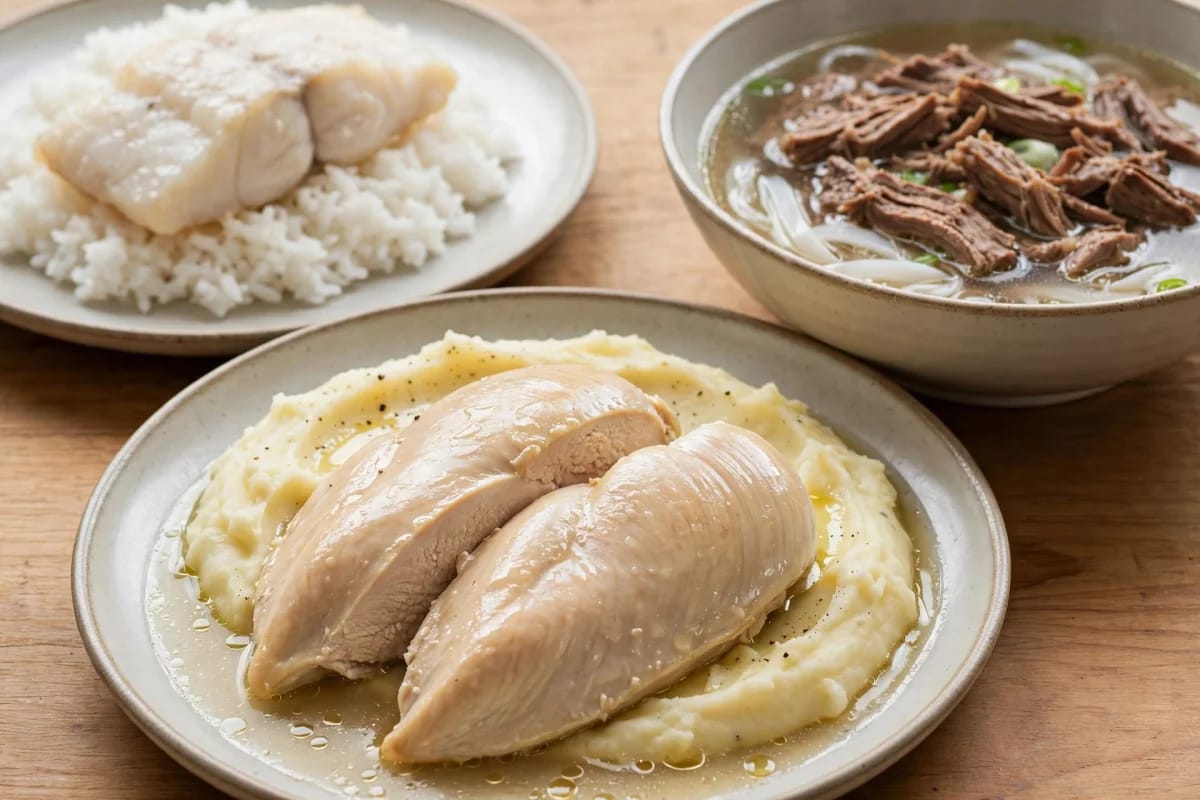
Picture poached chicken over buttery mash, a bowl of clear beef noodles, silken tofu floating in miso broth, and tiny pasta cooked straight in chicken stock. Nothing spicy, nothing crunchy, nothing that needs a knife to get through, and every plate still tastes like dinner instead of a hospital tray.
The real work sits in the first two days, when portions stay small and meals land every three or four hours. After that the rhythm gets easier, and by the end of the week you have a clear picture of how fast your gut is ready for more fiber, which is the entire point of running it.
What to Eat During a Diverticulitis Flare-Up
Five habits carry this recovery week, and each one answers a question people ask in the first days home. They cover portion size, texture, protein, fluids, and the speed at which fiber returns, because those five decide whether the week stays quiet or loops back into discomfort.
- Small Portions, More Often: A loaded plate is the quickest way to feel sore again, so these days run on smaller meals every three or four hours. That keeps the workload on your colon steady instead of spiking after one heavy dinner.
- Soft Texture First: Cook vegetables until a fork slides straight through, and skip anything with a skin, a seed, or a husk in the first days. Texture matters as much as the ingredient during recovery, since a soft carrot behaves very differently from a raw one, and a gentle Crohn's week runs on the same soft logic.
- Protein at Every Meal: Eggs, chicken, fish, and tofu appear at breakfast, lunch, and dinner because repair work needs protein while appetite is still low. Soft protein also keeps you full without the volume a fiber heavy plate would demand of a tired gut.
- Drink More Than Feels Needed: Broth, water, and weak tea carry the week, since a low residue plate holds less of the water that fiber would normally keep in the stool. Aim for a glass with every meal and one between meals, especially while antibiotics are still running.
- Bring Fiber Back Slowly: Add one higher fiber food every day or two and note how it lands, because the reintroduction is what tells you where your ceiling sits. Three lines in a notebook each evening beat a vague memory of how the week felt.
Your 7 Day Diverticulitis Meal Plan for Recovery
This diverticulitis meal plan for recovery opens on the softest plates of the week and widens each day, so day one sets the portion size, day four adds cooked vegetable, and day seven ends on a dinner that feels ordinary. Every day keeps the same four slots, and nothing here needs more than twenty five minutes at the stove.
Day 1
Breakfast:
- Cream of Wheat with Mashed Banana: Warm cream of wheat stirred thick with a mashed ripe banana and a spoon of honey. It goes down easily on the first morning home, when appetite is small and warm food feels safer than anything cold.
Lunch:
- Turkey and White Rice Soup: Ground turkey simmers in light stock with white rice and diced carrot until everything is soft enough to eat with a spoon. It travels well in a thermos for anyone who went back to a desk too early.
Dinner:
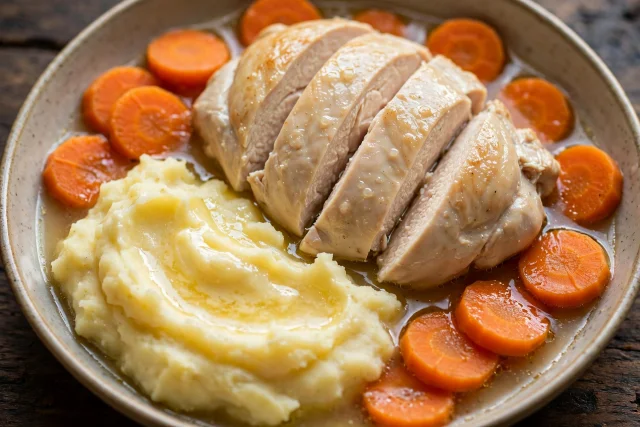
- Poached Chicken with Buttered Mashed Potatoes: Chicken breast poaches gently in salted water, then slides onto buttery mash with a spoon of the cooking broth. Soft, warm, and filling, it is the dinner most people ask for again by day three.
Snacks:
- Applesauce with Vanilla Yogurt: Chilled applesauce layered with plain yogurt and a dusting of cinnamon. Two minutes of assembly, nothing to chew, and it settles the midafternoon hunger that painkillers sometimes leave behind.
Day 2
Breakfast:
- Ginger Rice Porridge with Soft Egg: Rice simmers with fresh ginger until it collapses into a soft porridge, then a barely set egg folds through at the end. It is the gentlest breakfast of the week and the one most likely to turn into a habit.
Lunch:
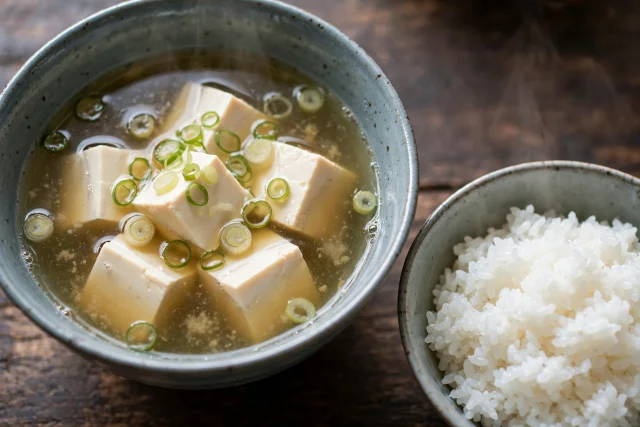
- Silken Tofu Miso Broth with White Rice: Silken tofu cubes warm in a light miso broth with scallions, and steamed white rice sits beside the bowl. Keep the miso below a simmer so the flavor stays round instead of turning sharp.
Dinner:
- Steamed Cod with Rice and Peeled Cucumber: Cod steams over ginger and scallion until it flakes, with white rice and peeled cucumber alongside. The cucumber reads mild once the skin is off, and it adds freshness without adding fiber.
Snacks:
- Plain Rice Cakes with Honey: Plain rice cakes spread with a thin layer of honey and a pinch of salt. They crunch just enough to feel like a real snack, and they cost nothing at the end of a long day.
Day 3
Breakfast:
- Soft Scrambled Eggs on White Toast: Eggs cook low and slow until they barely hold together, then land on buttered white toast. This is the breakfast to reach for when you want something that feels normal rather than clinical.
Lunch:
- Pastina in Clear Chicken Broth: Tiny pasta cooks straight in clear chicken broth until it softens into something between soup and porridge. A spoon of Parmesan at the table makes it taste like a Sunday rather than a recovery day.
Dinner:
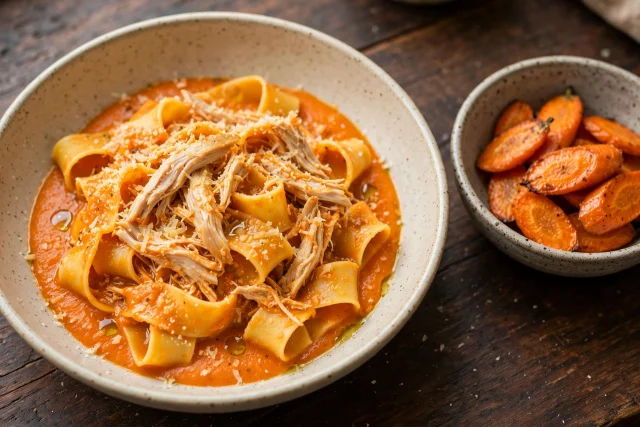
- Chicken with White Pasta and Carrot Puree: Shredded poached chicken folds through soft white pasta in a smooth carrot puree with Parmesan. The sauce looks bright and tastes sweet, which matters on a week where most plates look beige.
Snacks:
- Mashed Banana with Cinnamon Yogurt: A ripe banana mashed into plain yogurt with cinnamon and a little maple. Cold and quiet, it works as a late snack when a full portion feels like too much.
Day 4
Breakfast:
- Ginger Chicken Lugaw: Rice cooks down with ginger, shredded chicken, and a splash of fish sauce until the porridge turns silky, then scallions go on top. It is the Filipino answer to chicken soup, and it holds heat well in a covered pot.
Lunch:
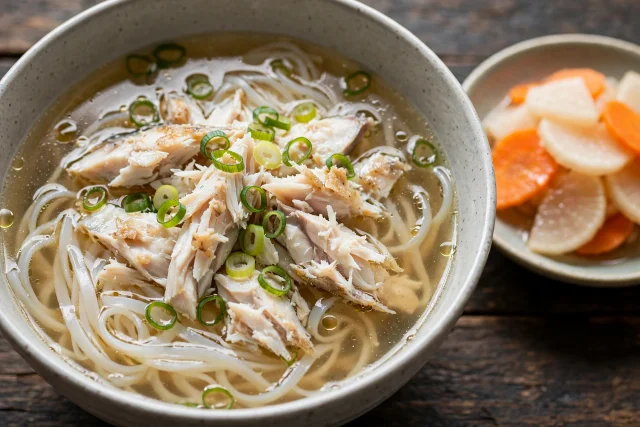
- Clear Fish Broth with Rice Noodles: White fish poaches in a light ginger broth with soft rice noodles and scallions. Eat it slowly, and let the broth carry the salt so the fish stays plain.
Dinner:
- Steamed Tilapia with Rice and Soft Carrots: Tilapia steams with ginger and a little soy, then comes to the table with rice and carrots cooked until they give. Pull the meat away from the bones and keep the portion modest.
Snacks:
- Warm Pan de Sal with Butter: A soft white roll warmed in the oven and split with butter. It is nostalgia as much as nutrition, and on a careful week nostalgia earns its place.
Day 5
Breakfast:
- Semolina Upma with Grated Carrot: Semolina toasts in a little oil with mustard seed and curry leaf, then softens with water and grated carrot. It is savory, warm, and quick, and the carrot disappears quietly into the grain.
Lunch:
- Moong Dal Khichdi with White Rice: Yellow moong dal and white rice cook together until they turn soft and porridge like, with turmeric and a spoon of ghee. Leave out the chili, keep the ginger, and the bowl stays gentle.
Dinner:
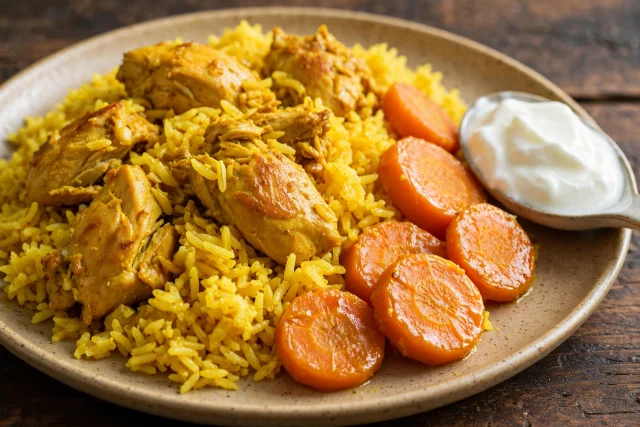
- Turmeric Chicken Pulao with Soft Carrots: Chicken and rice cook together with turmeric, cumin, and soft carrot rounds, finished with a spoon of yogurt. The color alone makes the plate feel like a treat after several days of pale food.
Snacks:
- Vanilla Pudding with Ripe Banana: A small pot of vanilla pudding with sliced ripe banana on top. It is cooling and sweet, and it asks nothing of a stomach that has had enough surprises this month.
Day 6
Breakfast:
- Strained Yogurt with Honey and Melon: Thick strained yogurt with a thread of honey and soft ripe melon. Choose melon that gives under a thumb, since firm fruit is exactly what this week avoids.
Lunch:
- Egg Lemon Rice Soup: Chicken broth thickens with rice and a tempered egg and lemon mixture until it turns silky and pale. Keep the heat low when the egg goes in, or the soup will split.
Dinner:
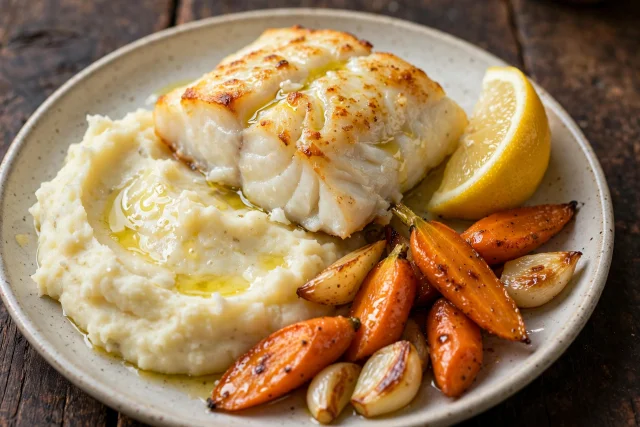
- Baked Cod with Lemon and Mashed Potatoes: Cod bakes with olive oil and lemon over creamy mash, no crust and no seeds anywhere on the plate. It follows the same oven bake as our herb crusted baked cod, with the crust left off while you recover.
Snacks:
- Smooth Pear Sauce: Pears cook down with a splash of water and a little honey, then blend until smooth. Serve it cold, and it doubles as dessert when the evening feels long.
Day 7
Breakfast:
- Chicken Rice Porridge with Scallion: Rice and shredded chicken simmer in light stock until the bowl turns creamy, with scallions added at the end. A drop of sesame oil gives it depth without any heat at all.
Lunch:
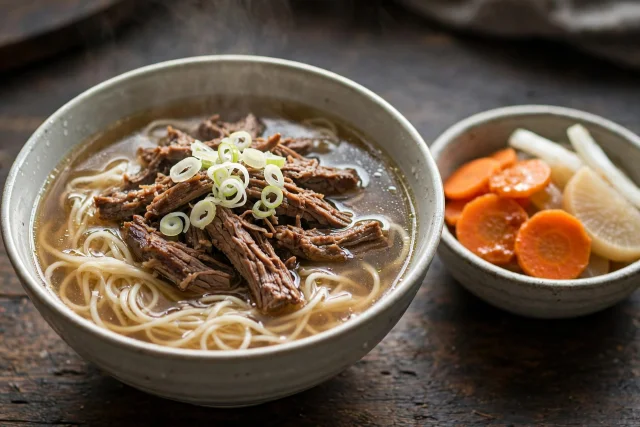
- Clear Beef Noodle Soup: Thin noodles and shredded braised beef sit in a clear broth with scallions. The broth does most of the work, and the beef stays tender enough to pull apart with a spoon.
Dinner:
- Teriyaki Chicken with White Rice and Steamed Carrots: Chicken thighs glaze in a mild teriyaki sauce and land beside white rice and steamed carrots. Use a light hand with the sauce and the plate stays gentle without tasting plain.
Snacks:
- Honey Sesame Rice Balls: Warm rice pressed into small balls with honey and a scatter of sesame. They are fun to eat, which is not a small thing at the end of a week that has felt careful from the first morning.
Low Residue Diet for Diverticulitis Shopping List
Everything below covers the twenty one meals and seven snacks in one main shop, with a small midweek stop for fish and yogurt if your fridge runs warm. The list is deliberately short, because a low residue diet for diverticulitis works best when the kitchen holds only the food you actually plan to eat this week.
Fruits
- Soft and Ripe: Bananas, canned peaches in juice, ripe melon, applesauce cups with no added sugar (for the porridges, the parfaits, and the evening snacks).
- Cooked Down: Pears for the pear sauce, plus a lemon and two oranges for juice and zest (the sauce keeps four days covered in the fridge).
Vegetables
- Soft Cooked Roots: Carrots, potatoes, and one peeled butternut squash (for the mash, the puree, the pulao, and the soups).
- Tender and Peeled: Peeled zucchini and one cucumber, skins removed before they hit the plate (for the cod plate and the raw crunch slot).
- Aromatics: Fresh ginger, garlic cloves for the broth, scallions, and curry leaves (strained out of the finished bowls).
Proteins
- Poultry: Boneless chicken breast and thighs plus ground turkey (the poached plate, the pasta, the pulao, and the soup).
- Fish and Seafood: Cod fillets, one whole tilapia, and firm white fish for the broth (buy these on the day you cook them).
- Plant Protein: Silken tofu and yellow moong dal (the miso bowl and the khichdi).
- Beef: One small braising cut for the closing soup (shred it while it is still warm).
Grains and Bakery
- Rice and Porridge: Short grain white rice, cream of wheat, cream of rice, and semolina (the porridges, the pulao, the rice balls, and the upma).
- Pasta and Noodles: Pastina, soft white pasta, and thin rice noodles (the broth bowls and the carrot puree plate).
- Bread and Crackers: Soft white sandwich bread, pan de sal rolls, plain rice cakes, and plain crackers (breakfast toast and the snack shelf).
Dairy and Refrigerated
- Yogurt and Milk: Plain yogurt, strained yogurt, and whole milk (the parfaits, the pudding, and the melon bowl).
- Cheese and Butter: Parmesan wedge, unsalted butter, and a small pot of cream (the pasta, the mash, and the sauces).
- Stock: Low sodium chicken stock and a light fish or vegetable stock (the base of half the week).
Pantry, Oils and Flavorings
- Oils: Olive oil, a little toasted sesame oil, and ghee (every saute, the porridge finish, and the khichdi).
- Sauces: Light soy sauce, mild teriyaki sauce, fish sauce, miso paste, and honey (the glazed plates and the broths).
- Spices: Turmeric, cumin, cinnamon, vanilla, mustard seed, salt, and black pepper (nothing hot, nothing smoked).
How to Customize Your Diverticulitis Meal Plan
Cravings show up even on a careful week, and these five swaps keep the shape of what you want while the fiber stays low. Each one answers a moment rather than a food, because the point is to feel satisfied rather than managed, and everything here comes from a shelf the list above already covers.
- When You Want Something Crisp: Reach for plain rice cakes, a soft white roll, or peeled cucumber instead of a raw salad. The crunch arrives without the skins and seeds that would undo two calm days.
- When Soup Feels Too Thin: Stir a spoon of pastina or mashed potato into the broth, or add a splash of cream at the end. It turns a light bowl into something that holds you until the next meal.
- When You Miss a Big Dinner: Build the plate from mash, soft protein, and one cooked vegetable rather than doubling the meat. Volume comes from soft starch on this menu, and that is exactly what keeps the evening comfortable.
- When Bread Feels Heavy: Swap the roll for rice, pastina, or porridge at that meal and keep the butter. Same comfort, less bulk, and the body handles it more easily while things settle.
- When You Need More Protein: Add a poached egg to the soup or a spoon of strained yogurt to the porridge. Both slip in quietly and lift the day closer to the protein you need for repair.
Getting Started With This 7 Day Diverticulitis Meal Plan
Start with one small shop and an hour of prep, cooking a pot of rice, simmering chicken stock, and softening a tray of carrots until they give under a fork. Keep two portions of poached chicken and a quart of broth in the fridge, and the first three days turn into assembly rather than cooking.
Portions matter as much as ingredients in the first days, so serve soup in a mug, chicken in half portions, and seconds only if hunger is still there twenty minutes later. The NIDDK guidance on diverticulitis describes that gradual return to eating after a mild flare, and it is worth reading before you plan the shop.
MedlinePlus covers the same ground in plainer language and lists the warning signs that send you back to a doctor rather than back to the stove, which is information every household running this week should keep close. Neither source promises a timeline, because recovery speed varies from person to person.
Once the week closes and you feel steady, widen the plate with the NHS guide to diverticular disease in mind and add fiber one food at a time, since a slow climb protects the calm you just built. Want more structure after that? Our meal plans give you a place to start without rebuilding the habit from scratch.
Keep exploring with our gentle low FODMAP week and a lower sodium kidney plan, plus soft meals for older adults, a cozy winter menu and a low effort winter prep week, alongside freezer meals that carry a careful week and easy chicken dinners for the days after.
This article is for information only and is not medical advice. Read our full disclaimer.