Your blood pressure reads 88 over 56 and the room tilts when you stand, yet the number alone does not explain how you feel. Low blood pressure usually means a reading below 90 over 60, and your symptoms decide whether it needs attention this week.
This 7 day meal plan for low blood pressure gathers 28 dishes built around fluids, steady protein, and moderate portions. None of them promises to lift your reading, and every one is meant to keep your day steadier while your care team works on the cause.
It suits adults who feel dizzy, worn out, or close to fainting, especially older adults and people on blood pressure medicine who have their care team's okay. A low reading without symptoms is a different conversation, and this week is not a fit for anyone with high blood pressure.
Fluids support blood volume, smaller meals soften the dip that can follow a heavy plate of refined carbs, and alcohol works against both. Common causes include dehydration, medication, aging, prolonged bed rest, pregnancy, and heart or endocrine problems, so the food works alongside a diagnosis rather than instead of one.
Each plate holds vegetables or fruit, a palm of protein, and a fist of whole grains, with water, broth, or tea beside it. Breakfast and lunch stay a little smaller than you might expect, and the snack slot carries the rest of the day's fluid and energy.
Speak with your care team before you start if you take blood pressure medicine, have heart failure, kidney disease, or high blood pressure. Fainting, chest pain, confusion, sudden weakness, black stools, or severe dizziness mean urgent care, not another meal.
Key Principles of a Low Blood Pressure Diet
Six habits hold this way of eating together, and each one answers a different part of the day. They work like switches to flip when a morning turns wobbly or a plate sits too heavy, and none of them asks you to count every ounce. What matters is that the pattern repeats often enough to help.
- Fluids Through the Day: Sip water with every meal and keep a bottle within reach between them, since a steady intake supports blood volume better than one large drink after symptoms start. Herbal tea, broth, and milk count toward the total.
- Electrolytes Only If Advised: Sodium and electrolyte drinks can help some people and hurt others, so they belong here only when your care team has said yes. If you have heart failure, kidney disease, or high blood pressure, ask before you add salt to anything.
- Smaller Meals, Steady Protein: A very large meal, especially one heavy on refined carbs, can pull blood pressure down after eating, so these plates stay moderate. Protein at each slot slows the meal and carries you to the next one without a crash.
- Alcohol Stays Rare: Alcohol widens blood vessels and encourages fluid loss, which is a poor pair for a reading that already runs low. Skip it on days you feel lightheaded, and never use it to settle a meal.
- Caffeine with Breakfast If Tolerated: A morning coffee or tea can narrow blood vessels briefly and help some people start the day upright, though the effect is short and personal. Keep it early, skip it if it makes you jittery, and never use it instead of water.
- Care Team First, Red Flags Fast: Bring this week's notes to your care team rather than adjusting a dose alone, since causes and electrolyte needs are medical calls. Ask what your safe fluid target is, and treat fainting or chest pain as an emergency rather than a food problem.
Your 7 Day Meal Plan for Low Blood Pressure
This week moves from a Greek table to a Japanese one, then through Mexican, Indian, Nordic, and Italian kitchens before a quiet American finish. Every day carries four slots, and the portions stay modest enough to keep the afternoon from turning heavy.
Day 1
Breakfast:
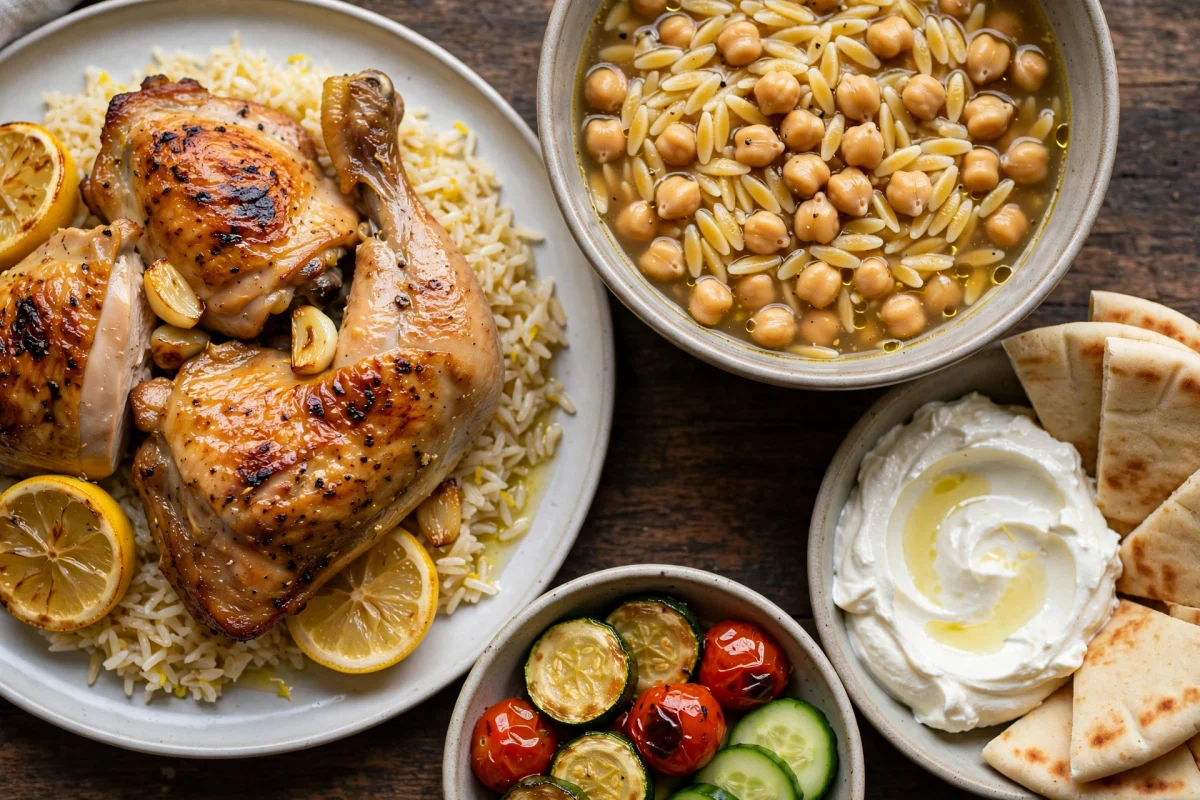
- Warm Pita with Labneh, Cucumber, and Za'atar: Warm pita arrives soft enough to fold around cool labneh, cucumber coins, and a dusting of za'atar. The plate takes five minutes and gives you fluid, protein, and something pleasant to eat before the day starts.
Lunch:
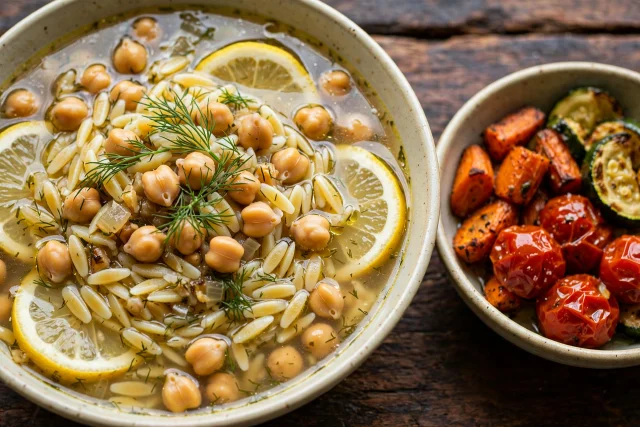
- Orzo and Chickpea Broth Bowl with Lemon and Dill: Orzo and chickpeas simmer in a light broth with lemon and dill until the bowl reads like soup with substance. It reheats well, so cook a double pot and keep tomorrow's lunch within reach.
Dinner:
- Greek Lemon Chicken with Artichokes and Rice: Chicken thighs braise with lemon, oregano, and artichoke hearts until the sauce turns bright and the rice underneath catches it all. A moderate scoop of rice keeps the plate steady rather than heavy.
Snacks:
- Chilled Watermelon with Feta and Mint: Cold watermelon cubes sit under crumbled feta and torn mint, a snack that is mostly water and still feels like a treat. Keep the cubes in the fridge so the four o'clock hour has an answer.
Day 2
Breakfast:
- Tamago Rice Bowl with Cucumber and Sesame: Soft eggs slide over warm rice with cucumber ribbons, sesame, and a small pour of low sodium soy. It eats like a gentle version of a rice bowl and takes ten minutes from a cold pan.
Lunch:
- Miso Udon Broth with Shiitake and Bok Choy: Udon noodles soften in a miso broth with shiitake and baby bok choy, and the bowl brings both fluid and warmth to the middle of the day. Use a low sodium broth if salt is on your care team's watch list.
Dinner:
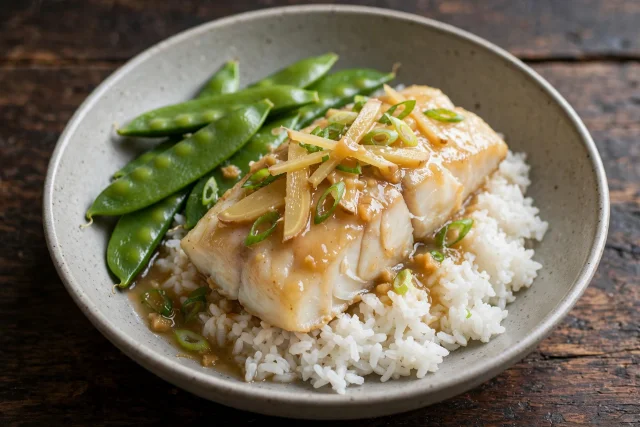
- Ginger Poached Cod with Rice and Snow Peas: Cod poaches gently in ginger and scallion broth until it flakes, then lands over rice with crisp snow peas at the side. Poaching keeps the fish tender and the kitchen cool.
Snacks:
- Frozen Mango with Lime Yogurt Dip: Frozen mango chunks thaw just enough to bite while a lime yogurt dip cools the edges. The fruit brings water and the yogurt brings protein, which is the pairing this week keeps repeating.
Day 3
Breakfast:
- Scrambled Eggs on Corn Tortillas with Tomato Salsa: Soft scrambled eggs fold into warm corn tortillas with a fresh tomato salsa and a little cilantro. Two tortillas are enough, and the plate holds together better than toast on a rushed morning.
Lunch:
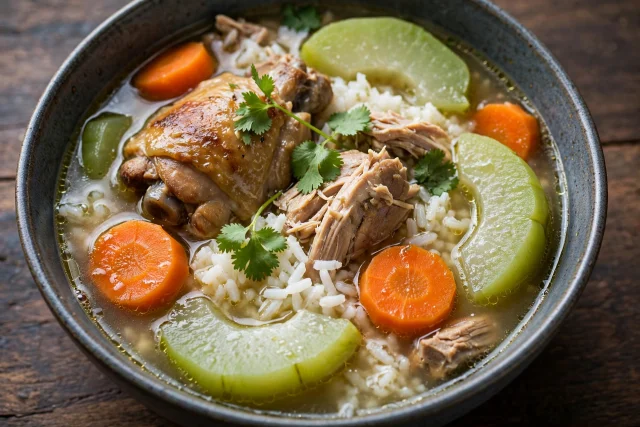
- Caldo de Pollo with Chayote and Rice: Chicken, chayote, carrot, and rice simmer in a clear broth with lime and cilantro at the end. This is the bowl to make when appetite is small, since every spoon carries fluid and whatever salt you added.
Dinner:
- Baked Fish with Tomatillo Sauce and Cilantro Rice: White fish bakes under a tangy tomatillo sauce while cilantro rice steams on the stove. The sauce keeps the fish moist, and the rice portion stays modest on purpose.
Snacks:
- Jicama and Orange Sticks with Chili Lime: Crunchy jicama batons and orange segments share a chili lime dusting, a snack that is half fruit and half crunch. It travels in a lunch bag without wilting.
Day 4
Breakfast:
- Masala Oats with Peanuts and Coriander: Rolled oats simmer with cumin, turmeric, and tomato until savory, then finish with peanuts and fresh coriander. A savory bowl can be easier on a queasy morning than something sweet.
Lunch:
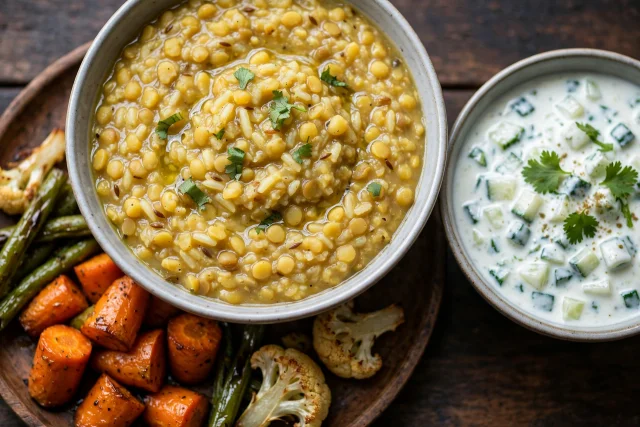
- Moong Dal Khichdi with Cucumber Raita: Moong dal and rice cook together until soft and gentle, with cucumber raita cooling each spoon. The dish is easy on digestion and holds well for a second lunch.
Dinner:
- Coconut Fish Curry with Rice and Green Beans: White fish simmers in a light coconut curry with green beans, and the sauce stays thin enough to spoon over rice. Keep the portion moderate and the water glass full.
Snacks:
- Salted Chaas with Mint and Cumin: Cold buttermilk whips with mint, cumin, and a small pinch of salt into a drinkable snack. It is the one recipe here that asks about salt first, so check with your care team if sodium is restricted.
Day 5
Breakfast:
- Rye Bread with Egg, Tomato, and Chive: A slice of dense rye carries a soft boiled egg, tomato slices, and snips of chive. The bread gives slow energy and the egg gives protein, a combination that holds through a slow morning.
Lunch:
- Nordic Salmon Soup with Leek and Potatoes: Salmon, leek, and potato simmer in a light milk broth with dill and a squeeze of lemon. The soup is gentle, warm, and mostly liquid, which makes it useful on a day when solid food feels like work.
Dinner:
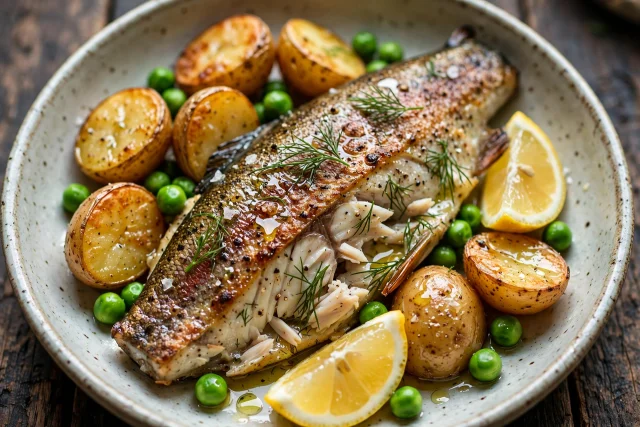
- Dill Roasted Trout with New Potatoes and Peas: Trout roasts with dill and lemon until the skin crisps, while new potatoes and peas finish on the same tray. The plate looks like a small celebration and takes almost no attention.
Snacks:
- Baked Apple with Cardamom and Yogurt: A halved apple bakes with cardamom and a spoon of water until it slumps, then cools under plain yogurt. It is a soft, warm snack for an evening when cold food does not appeal.
Day 6
Breakfast:
- Soft Polenta with Ricotta and Stewed Prunes: Creamy polenta spoons into a bowl with ricotta and warm stewed prunes on top. Prunes are a gentle way to keep digestion regular, which matters when straining makes you lightheaded.
Lunch:
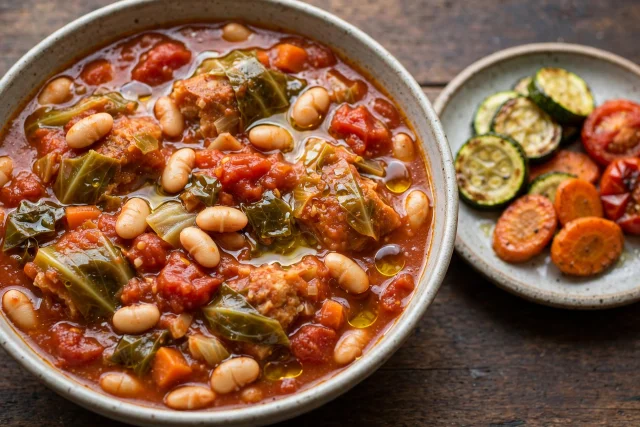
- Ribollita with White Beans and Cabbage: Tuscan bread soup thickens with white beans, cabbage, and tomato until a spoon stands up in it. The broth and beans bring fluid and fiber, and a drizzle of olive oil finishes the bowl.
Dinner:
- Chicken Cacciatore with Creamy Polenta: Chicken thighs braise with peppers, mushrooms, and tomato until the sauce turns deep, then spoon over soft polenta. The portion stays moderate, with a green salad on the side if you want more volume.
Snacks:
- Orange and Fennel Salad with Olives: Orange segments and shaved fennel toss with a few olives and a little olive oil. The salad is bright, salty only where the olives land, and full of water.
Day 7
Breakfast:
- Steel Cut Oats with Peanut Butter and Banana: Steel cut oats cook soft and nutty, then take a spoon of peanut butter and sliced banana. The bowl holds steady energy and enough protein to carry a slow start.
Lunch:
- Chicken Salad on Whole Grain with Grapes and Almonds: Poached chicken folds with celery, grapes, almonds, and a light yogurt dressing, then piles onto whole grain bread. The grapes add juice and the almonds add crunch.
Dinner:
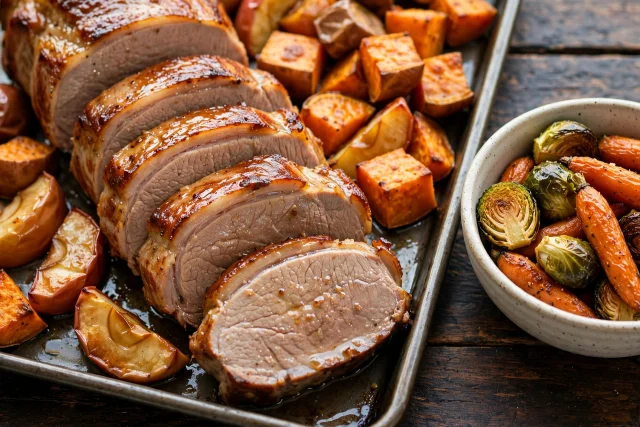
- Sheet Pan Pork Loin with Sweet Potatoes and Apples: Pork loin roasts over sweet potato wedges and apple slices until the edges caramelize and the meat stays juicy. The pork loin roast recipe covers the core cook, and the tray is dinner plus the next day's lunch in one go.
Snacks:
- Frozen Blueberries with Yogurt and Maple: Frozen blueberries crack cold against warm yogurt with a thread of maple. It tastes like dessert and brings fluid, protein, and a little sweetness at the end of the week.
Your Complete Grocery List of Foods for Low Blood Pressure
The list below covers all 28 dishes and builds in six stops, from produce to pantry, so one main shop can carry the week. Buy the fish close to the days you cook it, and let the freezer and pantry shelves do the rest. Nothing on the list is a specialty item, and the canned and frozen shortcuts are there on purpose.
Fruits
- Fresh Fruit: Watermelon, oranges, mango, apples, bananas, grapes, blueberries, lemons, and limes (for snacks, breakfasts, the pork tray, and the lime yogurt dip).
- Dried Fruit: Pitted prunes (for the Day 6 polenta breakfast).
Vegetables
- Leafy Greens and Herbs: Cabbage, bok choy, chives, dill, coriander, mint, and fennel (across the soups, salads, and fish dishes).
- Roots and Bulbs: Potatoes, new potatoes, sweet potatoes, carrots, leeks, onions, garlic, and ginger (for the soups, tray bake, and curries).
- Everyday Vegetables: Cucumber, tomatoes, snow peas, green beans, artichoke hearts, shiitake mushrooms, cremini mushrooms, scallions, bell peppers, and celery (for the bowls, bakes, and cacciatore).
- Chayote and Jicama: One chayote and one small jicama (for the Mexican soup and the citrus snack).
Proteins
- Poultry: Chicken thighs and chicken breast (for the Greek dinner, cacciatore, caldo, and chicken salad).
- Fish and Seafood: Cod fillets, white fish fillets, salmon fillet, and trout fillets (buy fresh close to the day you cook them).
- Eggs: One dozen eggs (for the tamago bowl, tortilla breakfast, and rye toast).
- Dairy: Plain yogurt, labneh, ricotta, feta, milk, and buttermilk (for breakfasts, dips, snacks, the salmon soup, and the chaas).
- Legumes: Chickpeas, white beans, and moong dal (for the orzo bowl, ribollita, and khichdi).
Grains and Bakery
- Rice and Grains: Short grain rice, basmati rice, steel cut oats, rolled oats, polenta, orzo, and udon noodles (the base of most lunches and two breakfasts).
- Bread and Tortillas: Whole grain bread, rye bread, pita, and corn tortillas (for breakfasts, the chicken salad, and the soup).
- Nuts and Seeds: Almonds, peanuts, and sesame seeds (for texture and the snack shelf).
Pantry and Oils
- Oils: Olive oil and a neutral cooking oil (every saute, roast, and dressing).
- Broths and Sauces: Low sodium chicken broth, vegetable broth, low sodium soy sauce, miso paste, canned coconut milk, canned tomatoes, and tomatillo salsa (for the soups, curries, and baked fish).
- Spices: Cumin, coriander, turmeric, cardamom, oregano, za'atar, chili flakes, black pepper, and bay leaves (the week's warm spice line).
- Sweet and Pantry: Maple syrup, peanut butter, and olives (for the oats, snack, and fennel salad).
Drinks and Electrolytes
- Water and Tea: Still water, sparkling water, ginger tea, and peppermint tea (the base fluids for the week).
- Coffee: Ground coffee or black tea if caffeine suits you (one morning cup, nothing after lunch).
- Electrolyte Option: One electrolyte drink or oral rehydration packet only if your care team has approved it (leave the box closed until then).
How to Customize Your Low Blood Pressure Meal Plan
Markets run out, appetites change, and some days the stove feels like a wall. The five swaps below keep the shape of the week intact, and each one names the situation first so you can find your answer quickly. None of them changes the fluid and protein logic that holds this low blood pressure meal plan together.
- When a Hot Kitchen Feels Like Too Much: Trade the baked fish and roast tray for the soup bowls already in the week, or steam the cod in the microwave. Cold cucumber, labneh, and watermelon make a full plate without the stove.
- When Bread Sits Heavy: Swap the pita, rye, and whole grain slices for rice, polenta, or the same soup with an extra spoon of beans. Keep the protein the same so the meal still holds.
- When Dairy Does Not Agree: Use lactose free yogurt and milk in the dips, soups, and breakfast bowls, or trade the labneh for mashed white beans with lemon. The plates keep their shape either way.
- When Fish Is Not Fresh: Frozen cod or canned salmon can carry the soup and the curry, and canned tuna works in the chicken salad slot. Thaw frozen fish in the fridge overnight and cook it the same day.
- When Appetite Is Small: Serve half the plate and set the rest aside rather than skipping the slot, since an empty stomach can make dizziness worse. A cup of soup and a spoon of rice counts as a meal here.
Getting Started With This 7 Day Meal Plan for Low Blood Pressure
Start with one main shop and an hour of prep, cooking a pot of rice, simmering the chickpeas, and cutting cucumber and jicama into snack containers. Fill a water bottle and leave it where you sit most, since the fluids matter more than any single dish.
Bring this week's notes to your care team if you take blood pressure medicine or have heart, kidney, or blood pressure conditions, and never stop or change a dose on your own. If dizziness turns into fainting, chest pain, confusion, or black stools, seek care that day.
Keep exploring with our a calm low FODMAP week, smaller GLP-1 friendly meals, a budget Thanksgiving table, a meat free Christmas spread, and lemon salmon from the oven, alongside a spring produce week and a summer week that keeps fluids close.
This article is for information only and is not medical advice. Read our full disclaimer.