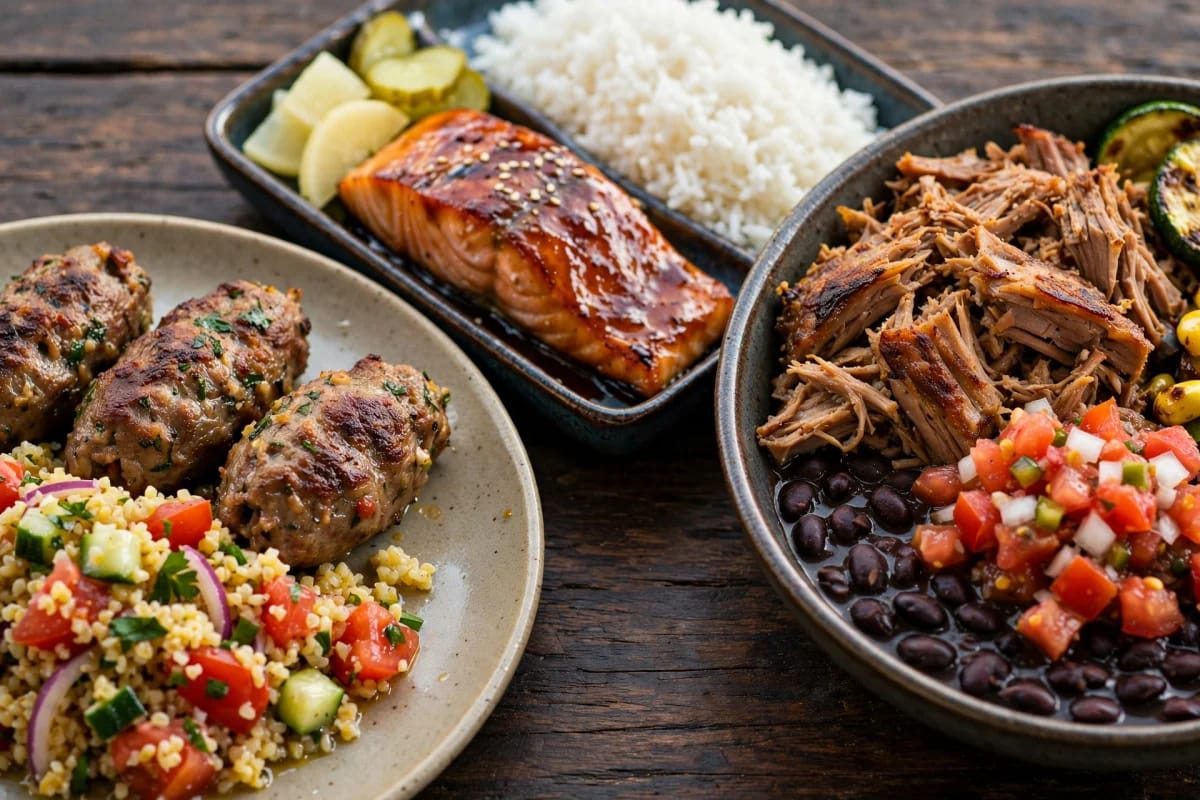
One meal a day is exactly what it sounds like, and that is the whole appeal for people who are tired of planning food five times before noon. The catch is that a single sitting has to carry a full day of energy, which takes more thought than skipping breakfast and hoping for the best.
A one meal a day omad meal plan is a schedule that concentrates eating into one window, usually an hour, and builds that meal so it covers protein, vegetables, starch, and fat in real amounts. This 7 day one meal a day omad meal plan arranges each sitting as courses, so the meal feels like dinner rather than a feeding.
Picture the table. A chilled cucumber and yogurt soup to start, a lamb kofta plate with bulgur and tomato salad at the center, a bowl of lentil soup alongside, and pistachios with dried apricots to finish. It takes about forty minutes to eat, which is the point.
The honest version of this pattern includes hard limits. One meal a day is not a good fit for anyone pregnant, breastfeeding, underweight, managing diabetes on medication, or recovering from disordered eating, and it is not a beginner fasting schedule. A doctor should hear about the plan before the plan starts.
It suits people who genuinely dislike eating in the morning, people whose workday has no lunch break, and people who find that a big satisfying dinner keeps them away from the pantry at night. It also suits anyone who has tried five small meals and felt hungry the entire time.
Hitting protein and enough total food in one sitting is the hard part, and the courses below solve it by spreading the volume across soup, main, side, and finish. If a single hour feels like too much commitment, a calorie deficit week spreads the same food across three meals and keeps the portions honest.
How to Build OMAD Meal Ideas That Cover a Day
Good OMAD meal ideas start from a checklist rather than a craving, because one plate has to do the work of three. The five rules below cover the difference between a meal that sustains you through a working day and one that leaves you lightheaded by ten in the evening.
- Anchor the Protein First: Aim for a palm and a half to two palms of chicken, fish, beef, eggs, or legumes in the main course. Protein is the hardest thing to fit into one sitting and the first thing people underdo.
- Spread the Volume in Courses: Soup, a salad, and a main course carry more total food than one enormous plate. Courses let you eat slowly and finish the meal without forcing a single mound of food down.
- Keep the Carbohydrate Real: Rice, bulgur, bread, and potatoes belong in the meal because they carry energy and make the sitting satisfying. Cutting starch to save calories usually ends the experiment by the fourth evening.
- Drink Through the Meal: Water through the day prevents the headache that comes with a long fast, and a glass with the meal helps the volume go down. Electrolytes matter if you sweat or work outdoors.
- Ease Into the First Week: Two meals for the first few days, then one, is a kinder entry than jumping straight to a single sitting. The transition is where most failed attempts happen, and a slower ramp costs nothing.
Your 7 Day One Meal a Day OMAD Meal Plan
This 7 day one meal a day omad meal plan treats each day card as one sitting with four parts, an opener in the breakfast slot, the main plate at lunch, a soup or side in the dinner slot, and a small finish under snacks. Read it that way and the schedule stops looking like four meals.
Mediterranean, Japanese, Mexican, Indian, Italian, Korean, and Levantine meals rotate through the week, so a single daily meal never becomes monotonous. Each sitting is built to reach a full day of protein and energy without forcing a mountain of food onto one plate.
Day 1
Breakfast:
- Chilled Cucumber and Yogurt Soup: Cucumber blends with yogurt, garlic, and a little olive oil into a cold soup that opens the meal gently. It wakes up the appetite after a long fast without filling the stomach too fast.
Lunch:
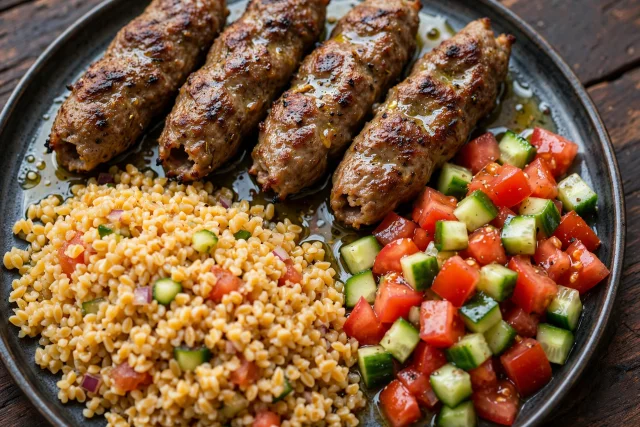
- Lamb Kofta Plate with Bulgur and Tomato Salad: Ground lamb mixes with onion, parsley, and cumin, then grills in minutes as small oblongs. Bulgur and a sharp tomato salad go beside it, and the whole plate covers a serious amount of protein.
Dinner:
- Lentil and Spinach Soup: Red lentils simmer with tomato and cumin until soft, and spinach wilts in at the end. It is the second course of the same sitting, warm and easy after the kofta.
Snacks:
- Pistachios and Dried Apricots: A small bowl of pistachios with three or four dried apricots closes the meal. The salt and the sweetness together signal that eating is finished for the day.
Day 2
Breakfast:
- Clear Mushroom Broth with Scallions: Dried mushrooms steep in hot broth with soy and scallions for a clean, savory opener. It is warm, salty, and light, which makes it a good first thing after a long fast.
Lunch:
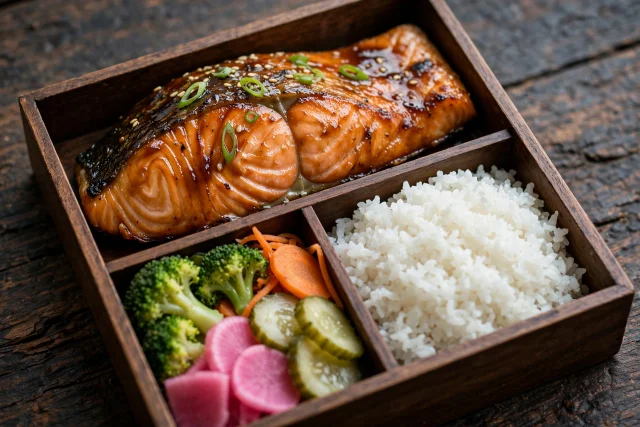
- Salmon Teriyaki Bento with Rice and Pickles: Salmon glazes under the broiler while rice steams, and cucumber pickles cut the sweetness. A bento box keeps the portions honest and the meal feels like an occasion rather than a refuel.
Dinner:
- Miso Soup with Tofu: Miso dissolves into hot dashi with cubes of silken tofu and wakame. It is the second course, and it finishes the savory side of the meal.
Snacks:
- Rice Cakes with Sesame: Two rice cakes brushed with sesame oil and salt. Simple, crisp, and enough to close the sitting.
Day 3
Breakfast:
- Chilled Avocado Soup with Lime: Avocado blends with stock, lime, and cilantro into a cold green soup. It opens the meal with fat and acid instead of volume, which makes the main course easier to finish.
Lunch:
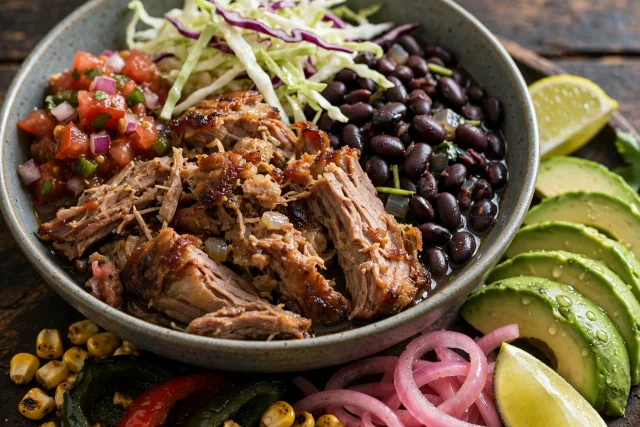
- Carnitas Bowl with Black Beans and Salsa: Slow cooked pork crisps in a hot pan, then joins black beans, rice, cabbage, and salsa in a deep bowl. Every component carries protein, fiber, or both.
Dinner:
- Roasted Tomato Broth with Lime: Tomatoes roast until they collapse, then blend with stock and lime into a thin, bright soup. It cleans the palate between the pork and the fruit.
Snacks:
- Mango with Chili Lime: Sliced mango with chili powder and lime. It is the sweetest thing in the sitting and a good note to end on.
Day 4
Breakfast:
- Spiced Buttermilk with Mint: Buttermilk whisked with roasted cumin, salt, and mint. It is cooling, savory, and the traditional opener for a big Indian meal.
Lunch:
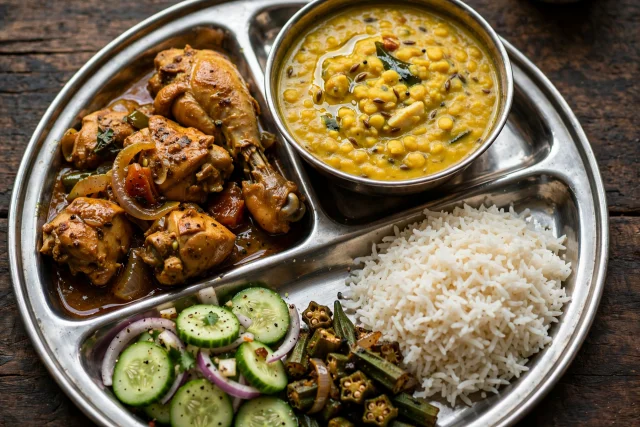
- Chicken Thali Plate with Dal and Rice: Chicken curry, yellow dal, rice, and a cucumber salad fill a thali plate in the proper proportions. Eating across four small bowls slows the meal down and covers the day's protein.
Dinner:
- Minted Yogurt with Grated Cucumber: Yogurt with grated cucumber, mint, and a pinch of salt. It cools the spice and adds a little more protein to the sitting.
Snacks:
- Salted Cashews with Curry Leaves: Cashews toasted with curry leaves and salt. A small handful finishes the meal with fat and crunch.
Day 5
Breakfast:
- Tomato and Cucumber Salad with Oregano: Ripe tomatoes and cucumber with oregano, olive oil, and a little vinegar. It is a light opener that still tastes like a real dish rather than a garnish.
Lunch:
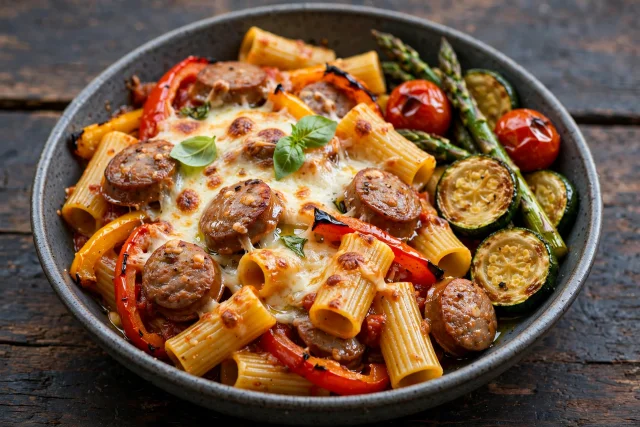
- Sausage and Pepper Pasta Bake: Sausage, peppers, and rigatoni bake under mozzarella until the edges crisp. It is the most generous plate of the week and the easiest to look forward to all day.
Dinner:
- Cannellini and Cavolo Nero Soup: White beans and dark kale simmer with garlic and rosemary into a thick, earthy soup. Bread on the side makes it a proper second course.
Snacks:
- Parmesan and Olives: A few shards of parmesan with marinated olives. Salty, small, and exactly enough to finish the sitting.
Day 6
Breakfast:
- Sesame Spinach Salad: Blanched spinach tossed with sesame oil, garlic, and salt. It is a small, savory opener that adds greens to a meal built around beef and rice.
Lunch:
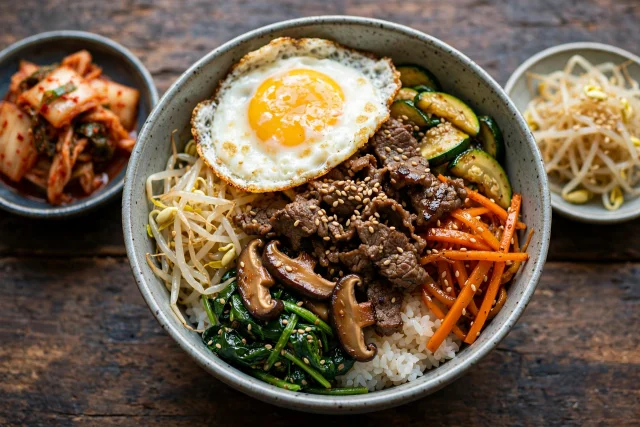
- Korean Mixed Rice Bowl with Beef: Beef, spinach, carrots, and a fried egg arrange over rice with gochujang, and the Korean beef rice stack covers the marinade if you want the exact ratios. Stir everything together and the bowl turns into one cohesive, spicy meal.
Dinner:
- Radish and Scallion Broth: Radish slices simmer in a light broth with scallions and a little soy. It is clean and warm, and it makes the rich bowl before it feel balanced.
Snacks:
- Roasted Seaweed with Almonds: Seaweed sheets with a small handful of almonds. Salty and light, and it closes the sitting without heaviness.
Day 7
Breakfast:
- Cucumber and Tomato Salad with Sumac: Cucumber, tomato, and red onion with sumac and olive oil. It is sharp and cooling, and it opens the last meal of the week well.
Lunch:
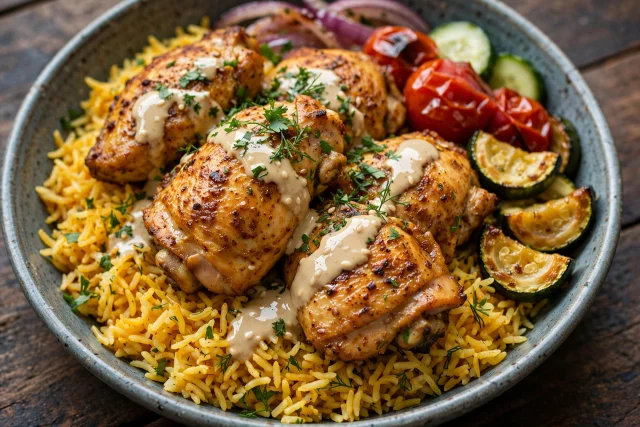
- Spiced Chicken Plate with Saffron Rice and Tahini: Chicken thighs roast with cumin, coriander, and paprika, and saffron rice soaks up the pan juices. Tahini loosened with lemon goes over everything.
Dinner:
- Roasted Eggplant Dip with Pita: Eggplant roasts until collapsed, then mashes with tahini, lemon, and garlic. Warm pita turns it into the second course rather than a side.
Snacks:
- Almond Butter Stuffed Apricots: Dried apricots split and filled with almond butter. Two or three finish the week on something sweet without a dessert project.
Your Complete OMAD Grocery List
One shop covers seven single sittings, and the list leans on ingredients that hold up through the week because wasted food is expensive when every meal counts. Buy the fish and the pork fresh on their cook days, and keep the pantry shelves stocked since those carry the courses that make each meal complete.
Fruits
- Fresh Fruit: Mango, lemons, limes, and tomatoes (for the salsa, the salads, and the finishing plates).
- Dried Fruit: Dried apricots and a small box of dates (for the two closing snacks).
- Avocado: Two ripe avocados (for the chilled soup and the carnitas bowl).
Vegetables
- Leafy Greens: Spinach, cavolo nero, romaine, cilantro, mint, parsley, and basil (for the salads, soups, and dips).
- Roasting Vegetables: Tomatoes, red peppers, eggplant, and radishes (for the soups, the pasta bake, and the dip).
- Crunch and Aromatics: Cucumbers, cabbage, carrots, scallions, garlic, ginger, and onions (for every salad and every broth).
- Pickles: One jar of cucumber pickles and one jar of kimchi (for the bento and the Korean bowl).
Proteins
- Meat: Ground lamb, pork shoulder, Italian sausage, and thin sliced beef (for the kofta, carnitas, bake, and rice bowl).
- Poultry and Fish: Chicken thighs and one salmon fillet (both cooked fresh on their days).
- Eggs and Dairy Protein: One dozen eggs, Greek yogurt, silken tofu, and buttermilk (for the soups, the thali, and the rice bowl).
- Legumes: Red lentils, cannellini beans, and black beans (three cans or one bag of each, for the soups and the bowl).
Grains and Bread
- Rice and Pasta: Basmati rice, short grain rice, and rigatoni (for the thali, the bento, and the bake).
- Bulgur and Bread: Coarse bulgur, pita bread, and one sourdough loaf (for the kofta plate, the dip, and the soup side).
- Rice Cakes: One pack of plain rice cakes (for the Day two finish).
Dairy and Chilled
- Yogurt and Cheese: Greek yogurt, mozzarella, and a wedge of parmesan (for the cucumber soup, the bake, and the olive plate).
- Condiments: Tahini, miso paste, gochujang, and soy sauce (the flavor base for four separate meals).
Pantry and Flavorings
- Oils: Olive oil and toasted sesame oil (every course in the week).
- Spice Rack: Sumac, cumin, coriander, paprika, saffron, oregano, chili powder, and curry leaves (the seasoning for seven cuisines).
- Nuts and Seeds: Pistachios, cashews, almonds, almond butter, and sesame seeds (the closing plates and the rice cakes).
- Pantry Extras: Dried mushrooms, kombu, wakame, and marinated olives (for the broths and the cheese plate).
How to Customize Your OMAD Meal Plan
One sitting a day leaves little room for error, so this omad meal plan builds in five adjustments for the days that do not go to plan. Each one keeps the meal complete rather than simply shrinking it, which is the difference between a sustainable pattern and a crash.
- When One Sitting Feels Impossible: Split the same food into two sittings two hours apart and call it a 20 4 pattern for the week. The total food stays identical, and the habit survives.
- When You Cannot Finish the Plate: Drink the soup first and leave the salad, since liquid volume is easier to take in than chewed food at the end of a fast. Finish the protein before the starch every time.
- When the Meal Needs More Protein: Add two eggs, a scoop of Greek yogurt, or a handful of edamame to the opener. Protein is the nutrient most often short in a single sitting.
- When You Eat Out: Order a starter and a main instead of one enormous plate, and pick the dish with the most visible protein. Restaurant portions are built for three meals, not one, so leaving food is normal.
- When You Are Not Hungry at the Window: Open with something salty and warm rather than something sweet, since warmth and salt wake appetite faster. If hunger stays gone for two days, eat two meals and stop forcing the pattern.
Getting Started With This 7 Day OMAD Meal Plan
Start with two meals a day for a week and let the second one shrink naturally before you move to a single sitting. Plan the meal in the morning so the decision is already made, and keep the courses simple enough to cook when you are hungry. Keep a water bottle within reach through the fasting hours.
Read the safety side before the first week rather than after it. The Harvard review of intermittent fasting is candid about how modest the evidence is and who should avoid long fasts. The NIH weight management reference covers the slower approach that suits most people better.
Keep exploring with our low carb week for steady energy and a fifty dollar grocery week, plus a three week plant based reset, an easy plant based starting point and a kidney-friendly weekly plan, alongside a classic Christmas dinner spread and a healthy Thanksgiving menu.
This article is for information only and is not medical advice. Read our full disclaimer.