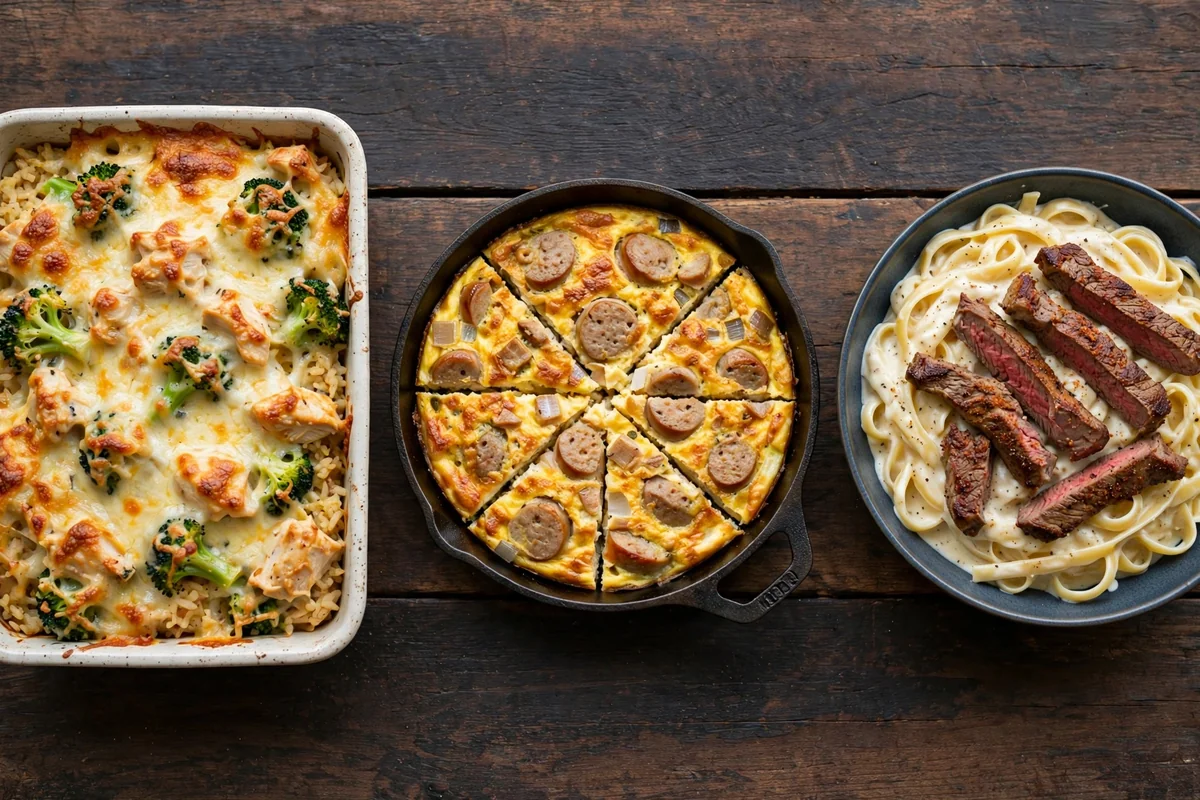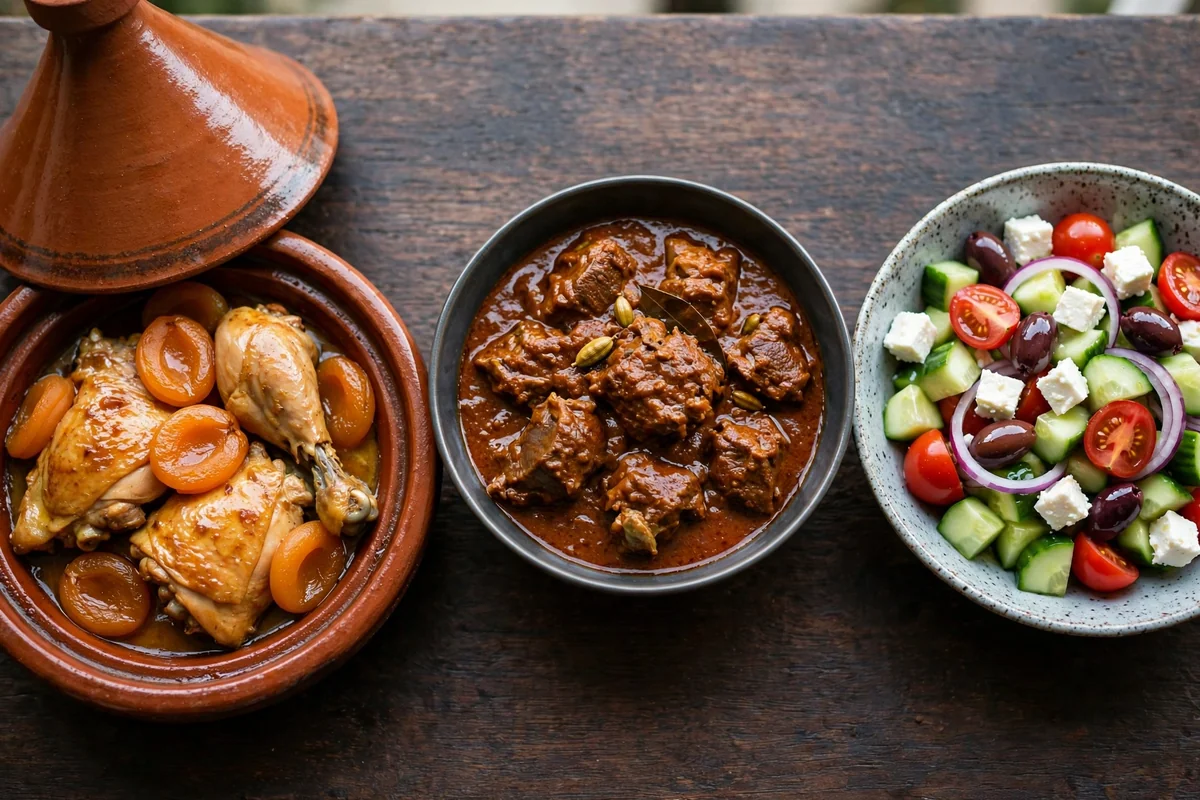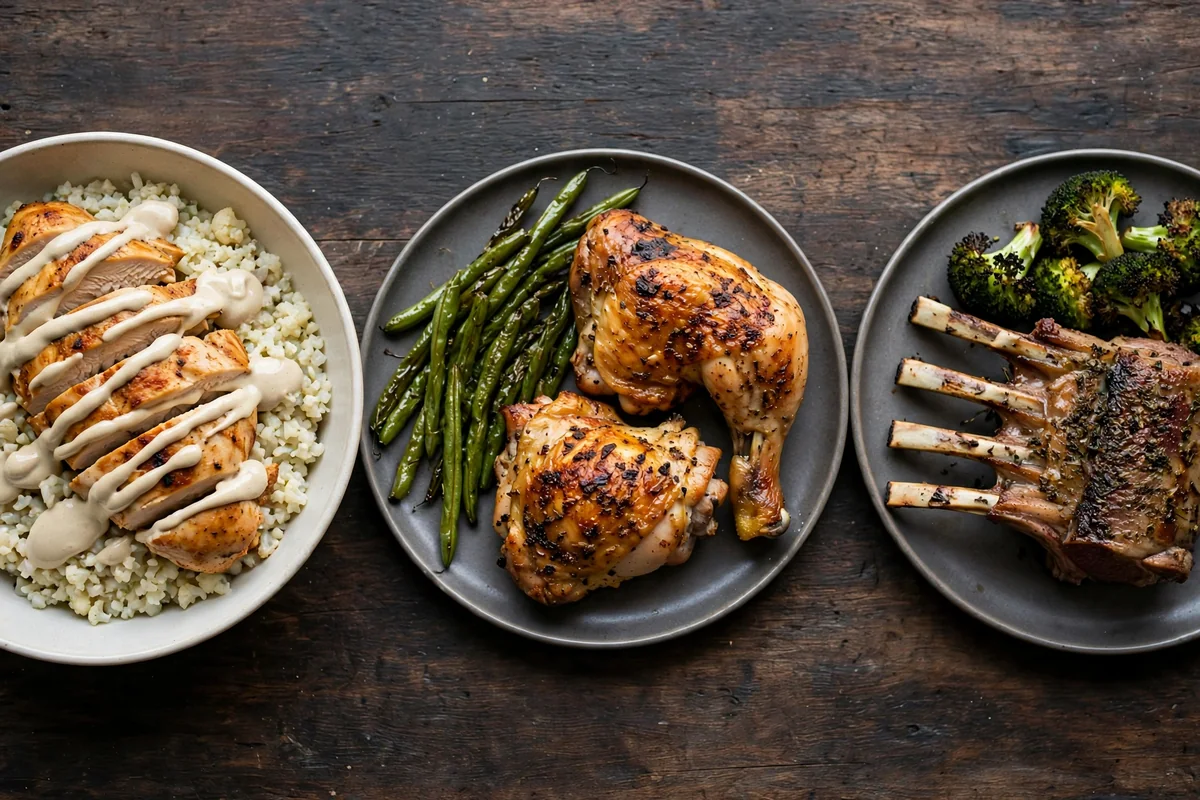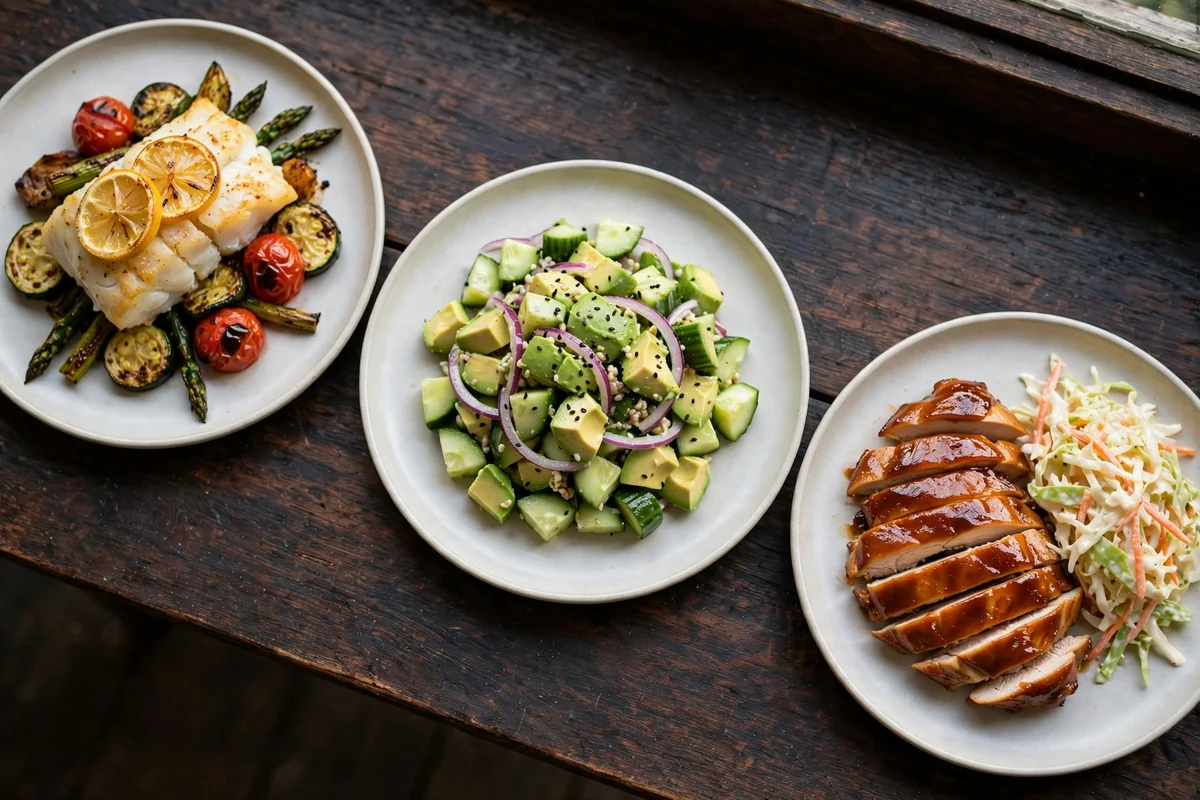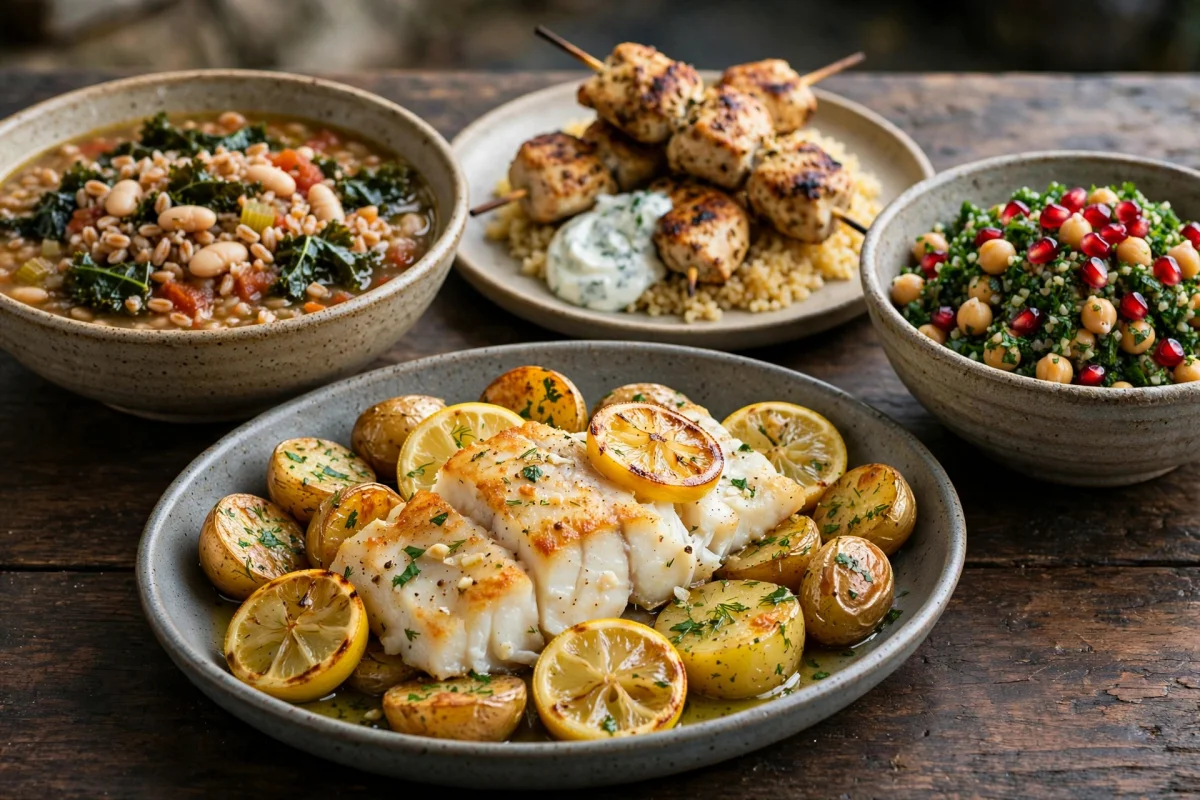
The Mediterranean DASH diet combines two established eating patterns. DASH, or Dietary Approaches to Stop Hypertension, keeps sodium low and builds meals around vegetables, fruit, low-fat dairy, whole grains, beans, and lean protein. Mediterranean eating adds olive oil, fish, nuts, and legumes for a plant-forward table.
This 14 day Mediterranean DASH diet plan turns the two patterns into 14 days of breakfasts, lunches, dinners, and snacks, with 56 dishes, a sodium budget, olive oil in place of butter, fish twice a week, and beans and whole grains carrying the plate.
It suits adults whose blood pressure has crept up, anyone told to cut sodium after a checkup, and households where one person needs heart-smart meals and everyone else still wants dinner to taste like dinner. It fits people with a family history of heart disease or stroke who want a practical pattern rather than a rigid diet.
DASH was developed by the National Heart, Lung, and Blood Institute to lower blood pressure, and trials show the pattern can reduce systolic pressure, especially when sodium drops. The Mediterranean side is linked to heart and brain health, and the MIND diet uses the same two patterns as a base for cognitive research.
The plate leans on beans, lentils, vegetables, fruit, whole grains, nuts, olive oil, fish, poultry, and low-fat dairy, with red meat, sweets, and processed food kept small. Sodium stays in a budget, so flavor comes from lemon, herbs, garlic, vinegar, and spices instead of the salt shaker.
This is a menu, not a treatment. If you take blood pressure medicine, have kidney disease, or were told to limit potassium, talk to your care team before you start, because DASH is high in potassium and not right for every kidney condition. Keep taking your medicine and use the two weeks as support, not a replacement for care.
Key Principles of the Mediterranean DASH Diet
Six habits hold this Mediterranean DASH meal plan together, and none of them asks you to weigh a gram of anything. They are the parts of the DASH and Mediterranean patterns that survive a real kitchen, a shared table, and a week that does not always go to plan.
- Sodium Has a Budget, Not a Ban: DASH sets a sodium budget, and most of it hides in packaged bread, cheese, and restaurant food rather than the salt shaker. The cooking in this Mediterranean DASH meal plan uses herbs, citrus, vinegar, and garlic, uses no-salt-added canned goods, and keeps low-sodium broth in the pantry.
- Potassium and Fiber Share the Plate: Beans, lentils, spinach, sweet potatoes, tomatoes, oranges, and bananas bring potassium, while whole grains and legumes bring fiber. The DASH pattern leans on both, and most plates here carry one of each without anyone announcing it.
- Olive Oil Is the House Fat: Butter and cream step back while extra virgin olive oil takes over the roasting, dressing, and finishing. Nuts and avocado cover the creamy moments, and the saturated fat load stays low without the food tasting like a penalty.
- Fish Twice a Week, Poultry in Between: Salmon, cod, trout, sea bass, shrimp, and sardines rotate through the two weeks, with chicken and turkey filling the gaps. Legumes take the remaining dinners, so red meat never needs a slot on the grid.
- Whole Grains Stay on the Plate: Farro, barley, bulgur, brown rice, oats, whole wheat pasta, and whole grain bread carry the meals. They keep the plate filling and bring the fiber that white bread and white rice leave behind.
- Built to Bend, Not Break: The two weeks are a template, not a test. Swap one day for another, repeat a breakfast you love, or move a fish dinner to the night you actually have time to cook it.
Your 14 Day Mediterranean DASH Diet Plan at a Glance
The two weeks move through Greek, Levantine, Italian, Moroccan, Spanish, Turkish, French, Mexican leaning, and Japanese leaning plates, with fish, poultry, and legumes taking turns at the center. Each day carries breakfast, lunch, dinner, and a snack, and the grocery list later covers every ingredient.
Day 1
Breakfast:
- Fig and Walnut Yogurt Bowl with Orange Zest: Thick Greek yogurt meets soft dried figs, toasted walnuts, and a curl of orange zest, with a small spoon of honey if the figs need help. It eats like a slow morning out and takes four minutes, which matters on a morning when the kettle is already doing the work.
Lunch:
- Lentil Salad with Cucumber, Dill, and Lemon: Firm brown lentils toss with cucumber, dill, lemon, and a generous glug of olive oil, then sit for ten minutes so the dressing sinks in. Pack it in a jar for a desk lunch that stays bright and never goes soggy.
Dinner:
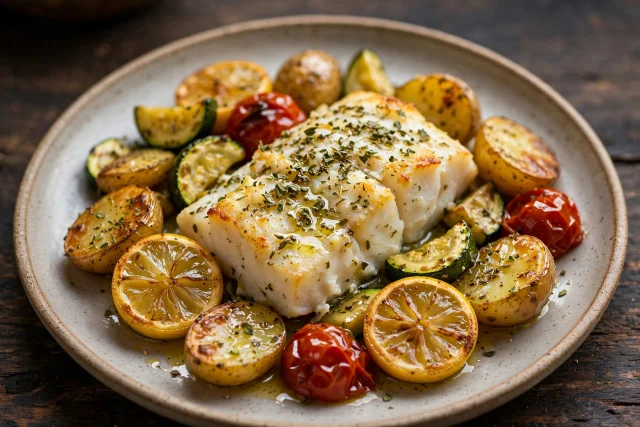
- Greek Baked Cod with Potatoes and Lemon: Cod bakes over potato wedges, garlic, oregano, and lemon until the fish flakes and the potatoes soak up the pan juices. It is a one-dish dinner that looks after itself in the oven while you set the table.
Snacks:
- Clementines with Unsalted Pistachios: Three clementines and a small handful of pistachios make a snack that feels like a pause rather than a project. Keep the nuts in their shells if you want the cracking to slow you down.
Day 2
Breakfast:
- Shakshuka with Spinach and Chickpeas: Eggs poach in a tomato and pepper sauce with chickpeas and a fistful of spinach, and the yolks stay soft for dipping. Bring the pan to the table with whole grain bread and let everyone take a corner.
Lunch:
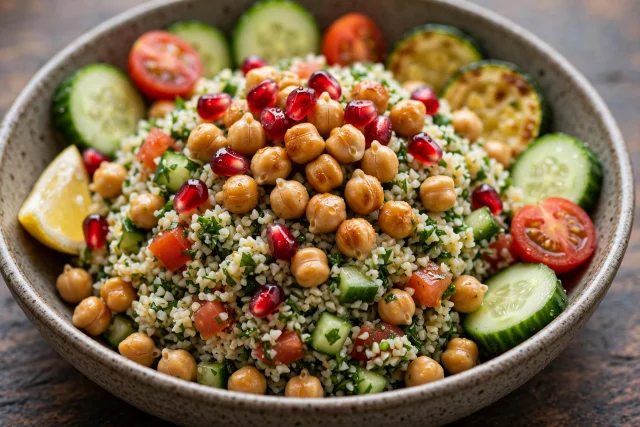
- Tabbouleh with Chickpeas and Pomegranate: Bulgur, parsley, mint, cucumber, and pomegranate seeds make a salad with crunch in every bite, and the chickpeas turn it into a full lunch. It holds up for a day in the fridge, which makes it a good one to make on a quiet evening.
Dinner:
- Cumin Chicken Skewers with Bulgur and Mint Yogurt: Chicken cubes sit in cumin, garlic, and lemon for twenty minutes, then char on a grill pan until the edges catch. Serve them over bulgur with a cool mint yogurt that gets spooned over everything.
Snacks:
- Cucumber Rounds with Hummus and Za'atar: Cucumber rounds carry a spoon of hummus and a pinch of za'atar, and the whole plate disappears before dinner is ready. It is the snack to put out when people are hovering in the kitchen.
Day 3
Breakfast:
- Whipped Ricotta Toast with Pears and Pistachios: Ricotta whips with a little olive oil and orange zest until it turns cloud soft, then spreads over toasted whole grain bread with sliced pear and chopped pistachios. It is sweet enough to feel like a treat and sturdy enough to hold until lunch.
Lunch:
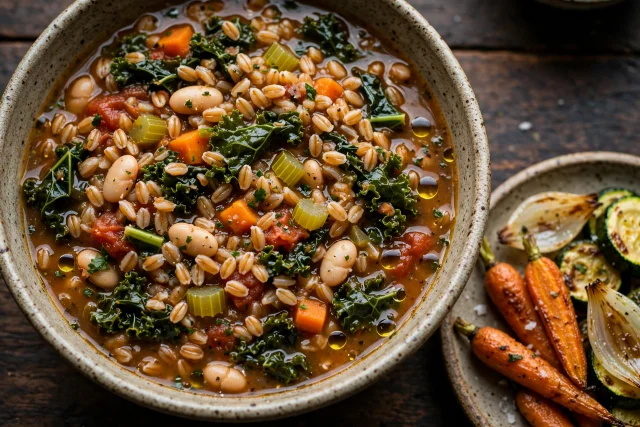
- Farro Minestrone with Kale and White Beans: Farro, white beans, kale, tomatoes, and cremini mushrooms simmer in a low-sodium broth until the farro turns chewy and the kale softens. A bowl of it with a drizzle of olive oil is the kind of lunch that makes a cold afternoon feel manageable.
Dinner:
- Herb Crusted Salmon with White Beans and Greens: A crust of parsley, lemon zest, and a few crushed pistachios goes onto salmon before it roasts over white beans and wilted greens. The beans catch the juices, and the whole tray comes together in about twenty-five minutes.
Snacks:
- Ricotta with Strawberries and Balsamic Glaze: Cold ricotta with sliced strawberries and a thread of balsamic glaze tastes like a dessert that wandered in from a restaurant menu. A small bowl is enough, and it comes together while the kettle boils.
Day 4
Breakfast:
- Date and Almond Oatmeal with Orange Zest: Rolled oats simmer with milk and a pinch of cinnamon, then get topped with chopped dates, toasted almonds, and orange zest. The dates soften into the oats and bring enough sweetness that sugar never enters the conversation.
Lunch:
- Harira Soup with Lentils and Chickpeas: Lentils, chickpeas, tomato, and a warm spice blend simmer into a thick soup that tastes even better the next day. Stir in lemon juice just before serving so the soup stays bright instead of heavy.
Dinner:
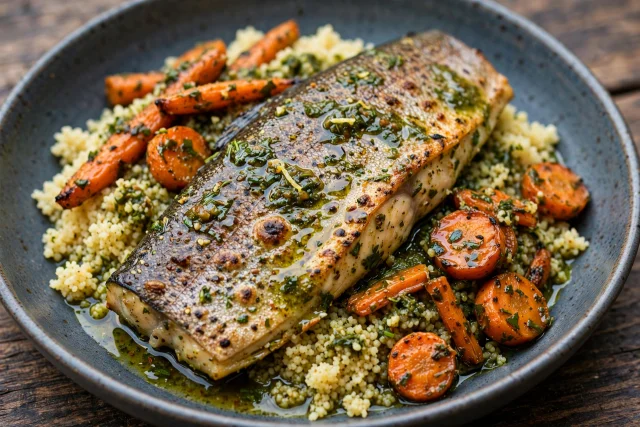
- Chermoula Baked Trout with Couscous and Carrots: Trout gets a chermoula rub of cilantro, cumin, paprika, garlic, and lemon, then bakes until the flesh pulls away in soft flakes. Serve it over whole wheat couscous with carrots that have roasted sweet at the edges.
Snacks:
- Cinnamon Roasted Carrot Sticks with Almond Yogurt: Carrot sticks roast with cinnamon and a little olive oil until they turn tender and sweet, then get dipped in yogurt with ground almonds. It is a snack that bridges the gap between savory and sweet without much effort.
Day 5
Breakfast:
- Spanish Tortilla with Spinach and Roasted Peppers: Potatoes and onions soften in olive oil before eggs, spinach, and roasted peppers go into the pan, and the tortilla finishes under a lid until set. Cut it into wedges and eat it warm or at room temperature, which makes it a good breakfast for people on different schedules.
Lunch:
- Gazpacho with Chickpeas and Whole Grain Croutons: Tomatoes, cucumber, pepper, and a splash of vinegar blend into a cold soup that tastes like summer in a bowl, and the chickpeas give it real staying power. Toasted whole grain bread adds the crunch that makes gazpacho feel like a meal.
Dinner:
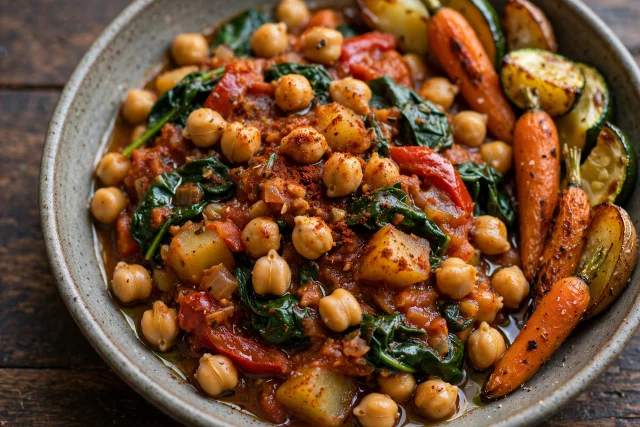
- Spanish Chickpea Stew with Spinach and Paprika: Chickpeas, tomatoes, onion, and smoked paprika cook down into a stew that stains the spoon orange, then spinach wilts in at the end. Serve it with bread and a little olive oil, and the pot feeds a table without much fuss.
Snacks:
- Manchego Cheese with Pear Slices and Walnuts: A few thin slices of manchego, a ripe pear, and a small handful of walnuts make a snack that feels grown up and takes no cooking. The salt in the cheese is enough, so keep the portion small and let the fruit do the rest.
Day 6
Breakfast:
- Blueberry Oat Pancakes with Yogurt Swirl: Oats and banana blend into a batter that cooks into soft pancakes, and blueberries burst in the pan as they warm. A spoon of Greek yogurt on top replaces butter and syrup without making the plate feel like a compromise.
Lunch:
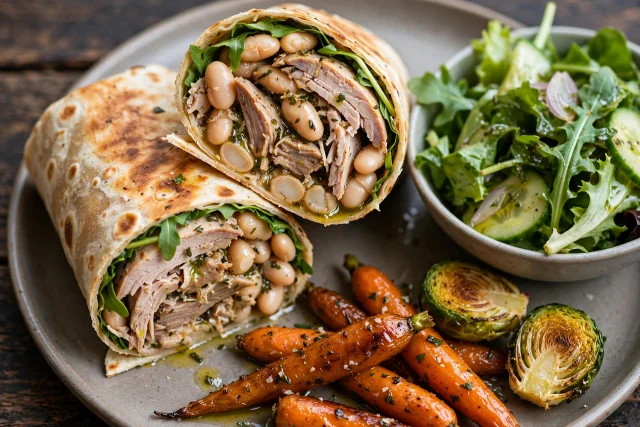
- Roast Turkey and White Bean Wrap with Arugula: Sliced roast turkey, mashed white beans, and arugula roll into a whole grain wrap with lemon and olive oil. The beans hold the wrap together and make it filling without a thick spread.
Dinner:
- Lemon Herb Chicken with Warm Farro Salad: Chicken breasts marinate in lemon, garlic, and oregano, then cook on a grill pan until the edges char and the inside stays juicy. The lemon herb chicken recipe is the same core cook, and the warm farro salad underneath catches the juices.
Snacks:
- Apple Slices with Almond Butter and Cinnamon: Crisp apple slices with almond butter and a dust of cinnamon are the snack that keeps a desk drawer honest. The almond butter does the filling, and the apple does the crunch.
Day 7
Breakfast:
- Labneh with Cucumber, Mint, and Whole Grain Toast: Labneh spreads thick on toast with cucumber, mint, olive oil, and a little za'atar, and it eats like a savory breakfast that took more effort than it did. If labneh is hard to find, thick Greek yogurt strained for an hour works.
Lunch:
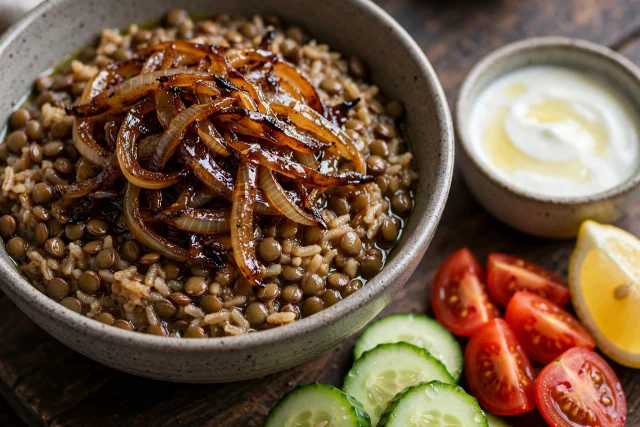
- Mujadara with Lentils and Caramelized Onions: Brown lentils and rice cook together until tender, then get buried under onions that have gone deep golden and sweet. A spoon of yogurt and a handful of parsley turn it into a lunch that tastes like it came from a family kitchen.
Dinner:
- Grilled Sea Bass with Lemon and Herb Barley: Sea bass cooks skin side down until the skin crisps, then finishes with lemon and olive oil. It sits over barley tossed with parsley, dill, and cucumber, and the whole plate tastes clean and generous at once.
Snacks:
- Pistachio Stuffed Dates with Orange Zest: Press a pistachio or two into each split Medjool date and finish with orange zest. Two of them with tea are enough, and they keep in the fridge for the days when the afternoon needs a small, sweet stop.
Day 8
Breakfast:
- Menemen with Peppers and Tomatoes: Peppers and tomatoes soften in olive oil before eggs go in and scramble soft, with a little paprika for warmth. Eat it from the pan with bread, and do not rush the eggs, since soft curds are the whole point.
Lunch:
- Bulgur Pilaf with Chickpeas and Herbs: Bulgur steams with chickpeas, tomato, and cumin, then gets folded with parsley and mint while it is still warm. It packs into a container and eats well cold, which makes it a reliable lunch on a day that runs long.
Dinner:
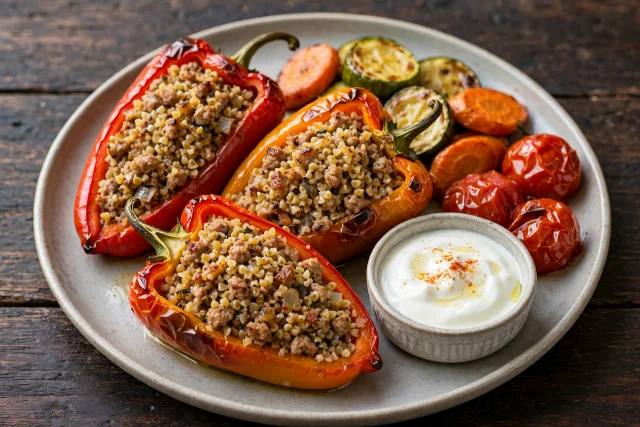
- Turkish Stuffed Peppers with Bulgur and Turkey: Red peppers fill with a mix of ground turkey, bulgur, tomato, and paprika, then bake until the peppers slump and the filling turns tender. Serve them with a spoon of yogurt and a green salad, and dinner looks like a project, even on a weekday.
Snacks:
- Dried Apricots with Walnuts and Cinnamon: Soft dried apricots with walnut halves and a dust of cinnamon taste like a sweet shop treat without any added sugar. Keep a small jar by the kettle for the afternoon gap when dinner is still hours away.
Day 9
Breakfast:
- Fine Herb Omelet with Goat Cheese and Cherry Tomatoes: Eggs fold around soft goat cheese, chives, parsley, and tarragon, and the omelet stays pale and tender instead of browned. Cherry tomatoes on the side add a bright, juicy bite, and the whole thing takes less than ten minutes.
Lunch:
- Nicoise Salad with Tuna and Green Beans: Tuna, green beans, potatoes, tomatoes, olives, and a jammy egg sit on a bed of lettuce with a mustard vinaigrette. It is a composed salad, so arrange it on a platter and let people take what they want.
Dinner:
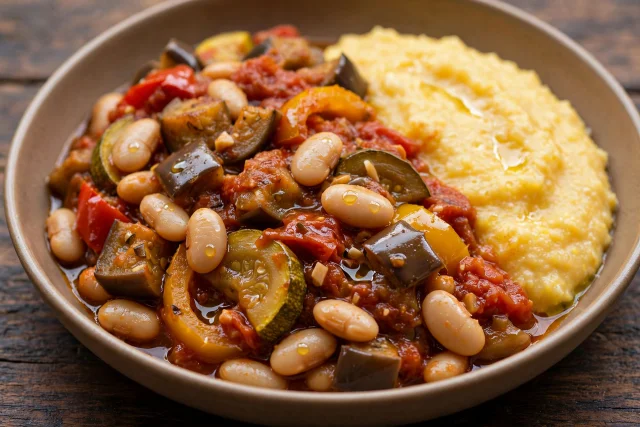
- Provencal Ratatouille with White Beans and Polenta: Eggplant, zucchini, peppers, and tomatoes cook low until they collapse into a sweet, silky stew, then white beans go in for body. Spoon it over soft polenta and finish with thyme and olive oil.
Snacks:
- Honeydew Melon with Lime and Mint: Honeydew cubes straight from the fridge with lime and torn mint taste best eaten standing at the counter. Cut it into a bowl in the morning and it will be waiting when the afternoon turns warm.
Day 10
Breakfast:
- Sesame Rice Breakfast Bowl with Egg and Spinach: Warm brown rice gets topped with a soft egg, wilted spinach, sesame seeds, and a drizzle of low-sodium soy sauce. It is a savory breakfast for people who are tired of sweet mornings, and it comes together in the time the rice reheats.
Lunch:
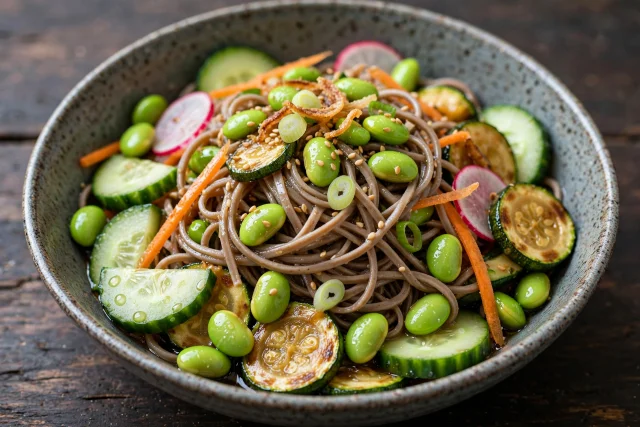
- Chilled Soba Salad with Edamame and Cucumber: Soba noodles chill with edamame, cucumber, carrot, and a sesame ginger dressing that clings to every strand. Pack the dressing in its own jar so the noodles stay springy, and the salad eats just as well at room temperature.
Dinner:
- Ginger Glazed Salmon with Baby Bok Choy and Brown Rice: Salmon sears until the skin crisps, then a ginger, garlic, and soy glaze reduces around it until glossy. Baby bok choy wilts in the same pan, and the whole dinner lands on brown rice in under half an hour.
Snacks:
- Steamed Edamame with Lime and Chili Flakes: Edamame straight from the steamer with lime and a pinch of chili flakes is a snack that keeps your hands busy. The pods slow you down, which is a good thing when the afternoon is running long.
Day 11
Breakfast:
- Black Bean and Egg Breakfast Tacos with Avocado: Corn tortillas warm while black beans, eggs, and a little cumin come together in a skillet, then everything gets topped with avocado and cilantro. Two tacos are enough for most mornings, and the filling doubles without extra work.
Lunch:
- Cilantro Chicken Bowl with Black Beans and Corn Salsa: Chicken sears with cumin and lime, then sits over brown rice with black beans, charred corn, and a fresh cilantro salsa. Build it in a bowl and pack the salsa separately so the rice does not turn soggy.
Dinner:
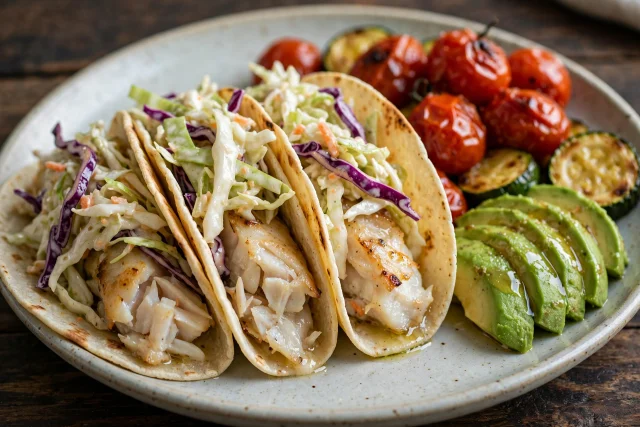
- Baked White Fish Tacos with Cabbage Slaw: White fish bakes with cumin and lime until it flakes, then goes into corn tortillas with a crunchy cabbage slaw and a cool yogurt crema. Set everything on the table and let people build their own, which keeps the meal relaxed.
Snacks:
- Jicama Sticks with Lime and Chili Powder: Jicama cut into sticks with lime and chili powder is crunchy, cold, and a little addictive. It is the snack to make when the fridge has nothing exciting and dinner is still an hour away.
Day 12
Breakfast:
- Rye Toast with Avocado and Soft Boiled Egg: Rye toast holds mashed avocado, a soft boiled egg, and a little lemon and black pepper. The rye brings a sourdough tang that makes the whole plate taste more interesting than a plain avocado toast.
Lunch:
- Beet and Farro Salad with Feta and Dill: Roasted beets stain the farro pink and sweet, while feta, dill, and a lemon dressing keep the bowl from turning heavy. It is a lunch that looks impressive and keeps in the fridge for two days.
Dinner:
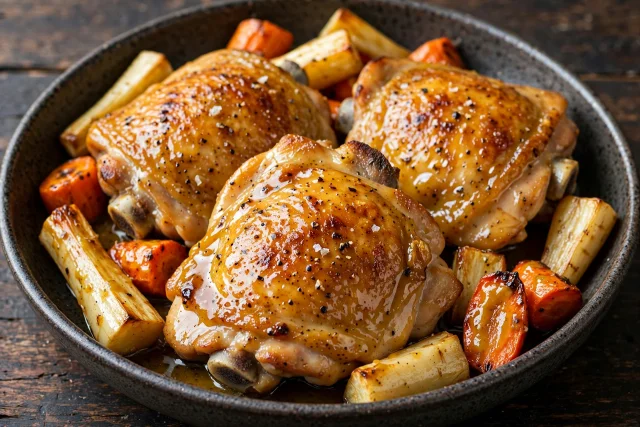
- Mustard Glazed Chicken Thighs with Parsnips and Carrots: Chicken thighs get a Dijon and honey glaze that turns sticky in the oven, while parsnips and carrots roast underneath and catch the drippings. The pan comes out looking like a holiday dinner, even on a weeknight.
Snacks:
- Skyr Yogurt with Raspberries and Toasted Oats: Thick skyr with raspberries and a scatter of toasted oats eats like a parfait without the sugar. It is high in protein, which makes it a useful snack on a day when dinner runs late.
Day 13
Breakfast:
- Spinach and Feta Scrambled Eggs with Whole Grain Toast: Eggs scramble soft with spinach and crumbled feta, then get piled onto whole grain toast. The feta brings enough salt that the pan does not need any, and the greens wilt in the last minute.
Lunch:
- Lentil Greek Salad with Oregano and Olives: Lentils stand in for some of the lettuce in a Greek salad with cucumber, tomato, olives, feta, and oregano. It is a lunch that holds up in a container and tastes better after an hour in the fridge.
Dinner:
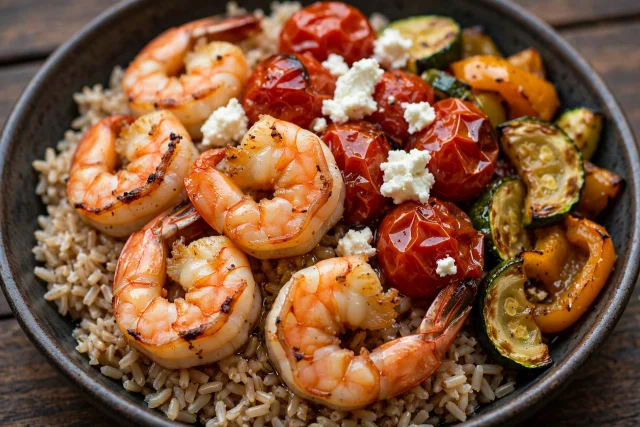
- Baked Shrimp with Tomatoes and Feta over Brown Rice: Shrimp bake in a tomato sauce with garlic, oregano, and feta until the cheese softens and the shrimp turn pink. Spoon it over brown rice and use bread to get the last of the sauce.
Snacks:
- Greek Yogurt with Peach and Pistachios: Greek yogurt with sliced peaches and chopped pistachios is a snack that feels like dessert and takes a minute. Frozen peaches work well if the fruit bowl is empty.
Day 14
Breakfast:
- Creamy Polenta with Poached Pear and Walnuts: Polenta cooks until it turns soft and creamy, then gets topped with a pear poached in orange juice and a few toasted walnuts. It is a warm breakfast for a cold morning, and the leftovers firm up into a good slice the next day.
Lunch:
- Cannellini and Sardine Salad with Arugula: Cannellini beans, sardines, red onion, and arugula toss with lemon and olive oil for a lunch that tastes like the coast. The sardines bring the salty, savory note, so no extra salt is needed.
Dinner:
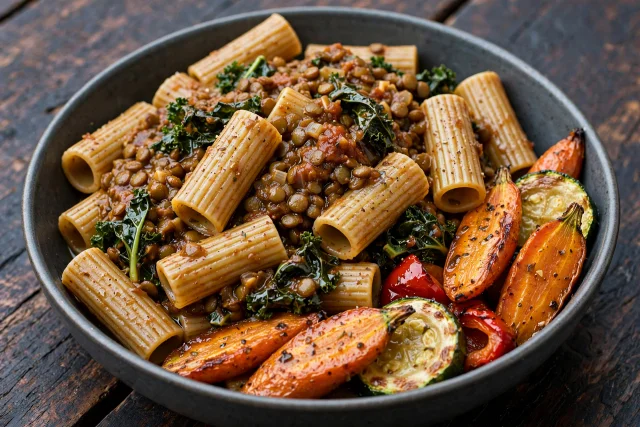
- Whole Wheat Rigatoni with Lentil Ragu and Kale: Lentils simmer with tomato, garlic, and oregano until they turn into a thick ragu, then kale wilts in at the end. Toss it with whole wheat rigatoni and finish with olive oil and torn basil.
Snacks:
- Dark Chocolate Squares with Almonds and Sea Salt: Two squares of dark chocolate with a few almonds and a pinch of sea salt make a small, satisfying end to the day. Keep the chocolate in the freezer if you like the snap.
Your Mediterranean Diet Food List for Two Weeks
The 56 dishes on the grid draw from six aisles, and one main shop covers the two weeks with a quick midweek stop for fish and greens. Keep the no-salt-added cans in the pantry and the nuts in small jars, and the whole list stays easy to shop all week.
Fruits
- Fresh Fruits: oranges, lemons, limes, clementines, pears, apples, bananas, peaches (fresh in season, frozen off season), strawberries, blueberries, raspberries, honeydew melon, avocado, pomegranate.
- Dried Fruits: Medjool dates, dried figs, dried apricots (unsweetened).
Vegetables
- Leafy Greens: spinach, kale, arugula, romaine (for the shakshuka, minestrone, salads, and scrambles).
- Cruciferous: broccoli, green cabbage (for the farro salad and the fish tacos).
- Root Veggies: potatoes, sweet potatoes, carrots, parsnips, onions, garlic, fresh ginger (for the cod, soups, roasts, and stews).
- Others: cherry tomatoes, tomatoes, cucumbers, red bell peppers, green beans, zucchini, eggplant, celery, corn, jicama, cremini mushrooms.
Legumes, Grains, and Breads
- Legumes: brown lentils, no-salt-added chickpeas, cannellini beans, black beans (for the soups, salads, stews, and tacos).
- Grains: rolled oats, farro, barley, bulgur, brown rice, whole wheat couscous, polenta, soba noodles (for breakfasts, bowls, and dinners).
- Breads and Wraps: whole grain bread, rye bread, whole grain wraps, corn tortillas (for the toast, wraps, and tacos).
Fish, Poultry, and Eggs
- Fish and Seafood: cod, salmon, trout, sea bass, shrimp, canned sardines, canned tuna, white fish (bought fresh on the day you cook them).
- Poultry: chicken breast, chicken thighs, turkey breast, ground turkey (for the skewers, roast, stuffed peppers, and wraps).
- Eggs: a dozen and a half eggs (for the shakshuka, tortilla, omelet, scrambles, and tacos).
Dairy, Nuts, and Seeds
- Dairy: Greek yogurt, labneh, ricotta, feta, manchego, skyr, low-fat milk (for the bowls, toasts, dips, and sauces).
- Nuts: walnuts, almonds, pistachios (unsalted, for the breakfasts, salads, and snacks).
- Seeds and Nut Butters: sesame seeds, almond butter, prepared hummus (for the soba dressing, snacks, and cucumber rounds).
Pantry, Oils, and Flavorings
- Oils and Vinegars: extra virgin olive oil, toasted sesame oil, red wine vinegar, balsamic vinegar, rice vinegar (for the dressings, roasts, and finishes).
- Canned and Jarred: no-salt-added diced tomatoes, low-sodium vegetable broth, Kalamata olives, Dijon mustard, low-sodium soy sauce, honey (for the stews, soups, and glazes).
- Spices: smoked paprika, ground cumin, ground coriander, ground cinnamon, ground turmeric, dried oregano, dried thyme, bay leaves, red pepper flakes, za'atar, chili powder, black pepper (for the spice blends across the two weeks).
- Herbs: parsley, mint, dill, cilantro, basil, chives, tarragon (fresh where the dish calls for it).
- Sweet and Pantry: dark chocolate, sea salt (for the snack and the final seasoning).
How to Customize Your Mediterranean DASH Diet Plan
The two weeks bend around what your kitchen actually has, and these five swaps cover the moments when the original dish is not possible. None of them asks for a specialty product, and each one keeps the plate in the same heart-smart shape on the table.
- When the Salt Shaker Calls: Reach for lemon zest, vinegar, smoked paprika, garlic, and fresh herbs before the salt. A little lemon juice at the end does more than a pinch of salt, and no-salt-added canned goods keep the base clean.
- When Fresh Fish Is Too Dear: Canned sardines, canned tuna, and frozen cod or salmon all fit the pattern. Rinse canned fish if sodium matters, then use it in the tomato, bean, and grain dishes that already carry big flavor.
- When Cheese Is the Craving: Use a smaller amount of a sharp cheese, like feta or manchego, crumbled over the top instead of layered through the dish. A little goes far when it hits the tongue first.
- When Takeout Is the Only Option: Look for grilled fish or chicken, plain rice, salad with oil and vinegar, and vegetable sides. Ask for sauces on the side, since the sauce is usually where the sodium lives.
- When Bread Feels Nonnegotiable: Choose whole grain bread with a lower sodium count, or swap in corn tortillas, rye crispbread, or a bowl of farro. The point is the fiber and the chew, not the slice count.
Getting Started With This Mediterranean DASH Meal Plan
Start with one main shop from the list and a short prep session, cooking brown rice, simmering a batch of lentils, and roasting a tray of vegetables. Wash the greens, mix a jar of lemon and olive oil dressing, and portion the unsalted nuts so the snack shelf is ready before the week gets loud.
The Mediterranean half follows the pattern Harvard's Nutrition Source describes, with olive oil, fish, nuts, and whole grains at the center. If you take blood pressure medication, tell your doctor before you change how you eat, since food and drugs can both move the same numbers.
Keep exploring with our low histamine meals for sensitive systems, steady GLP-1 friendly menu, budget fall plan that stretches every grocery run, and Thanksgiving table that stays affordable, plus Mediterranean holiday spread, alongside a steady low glycemic week for prediabetes and a holiday table that keeps blood sugar calm.
This article is for information only and is not medical advice. Read our full disclaimer.