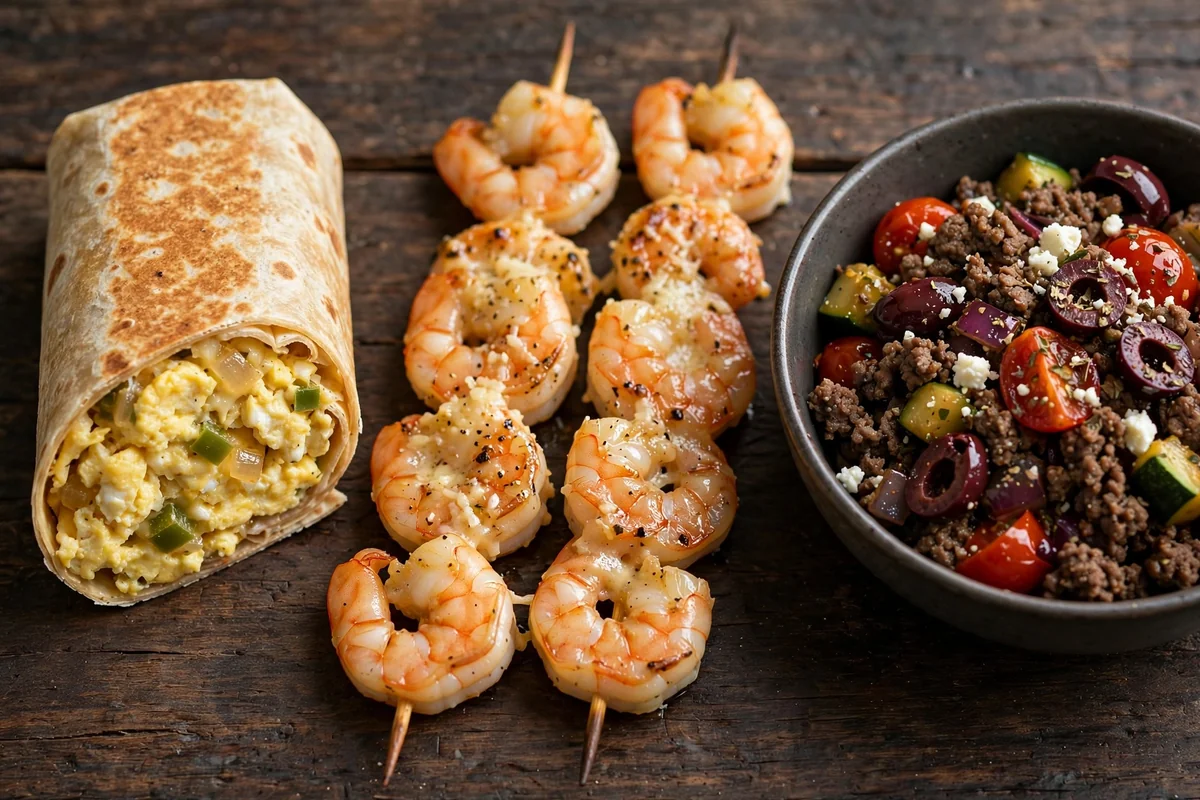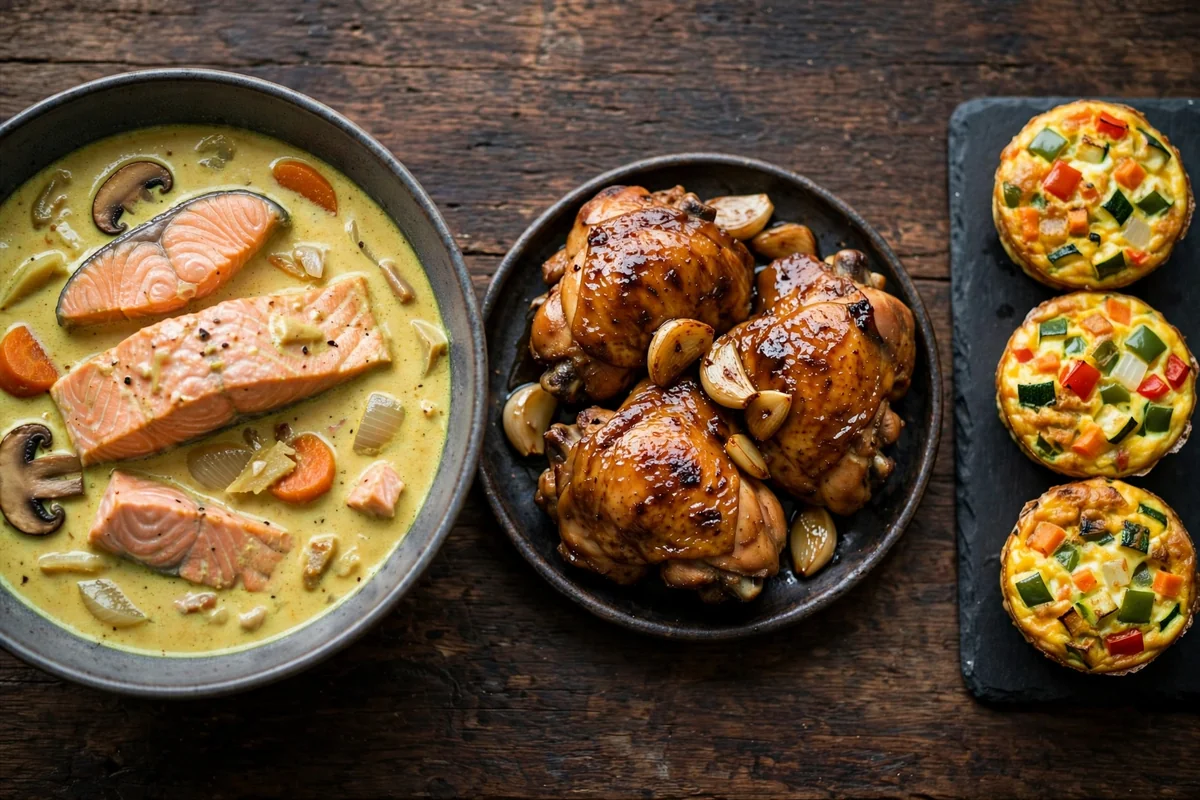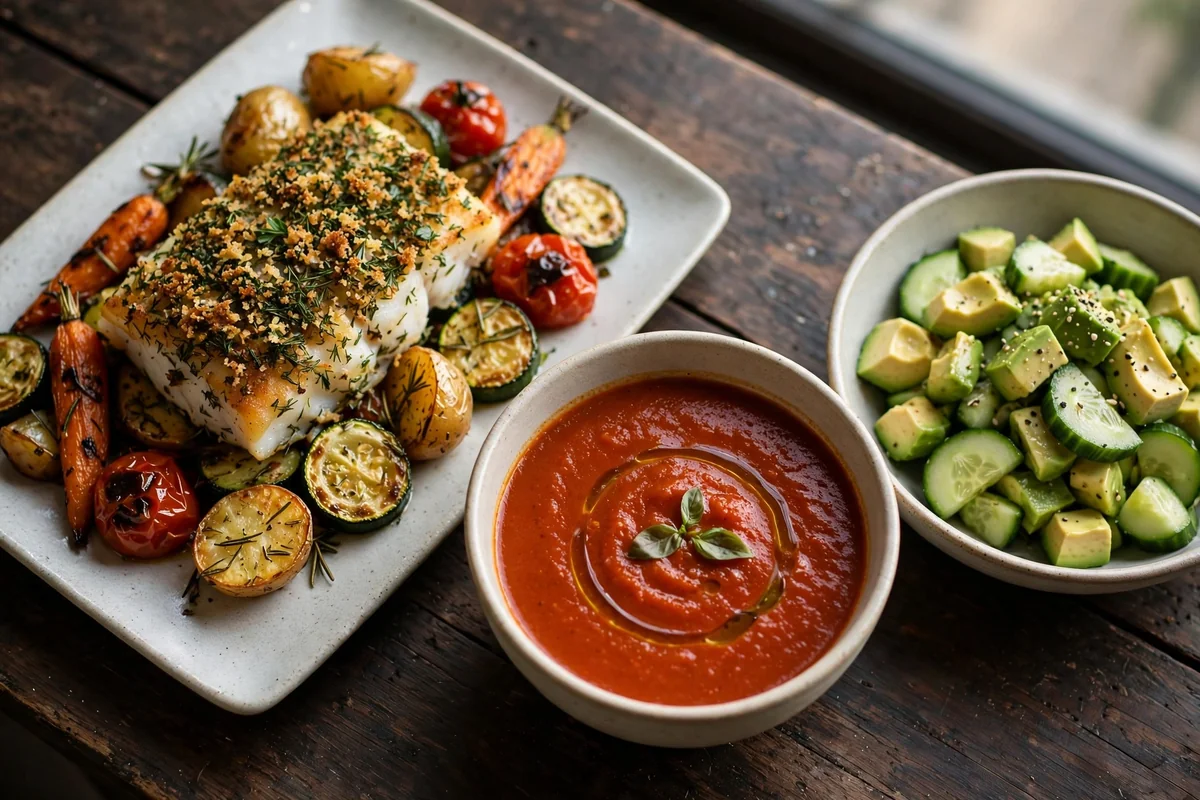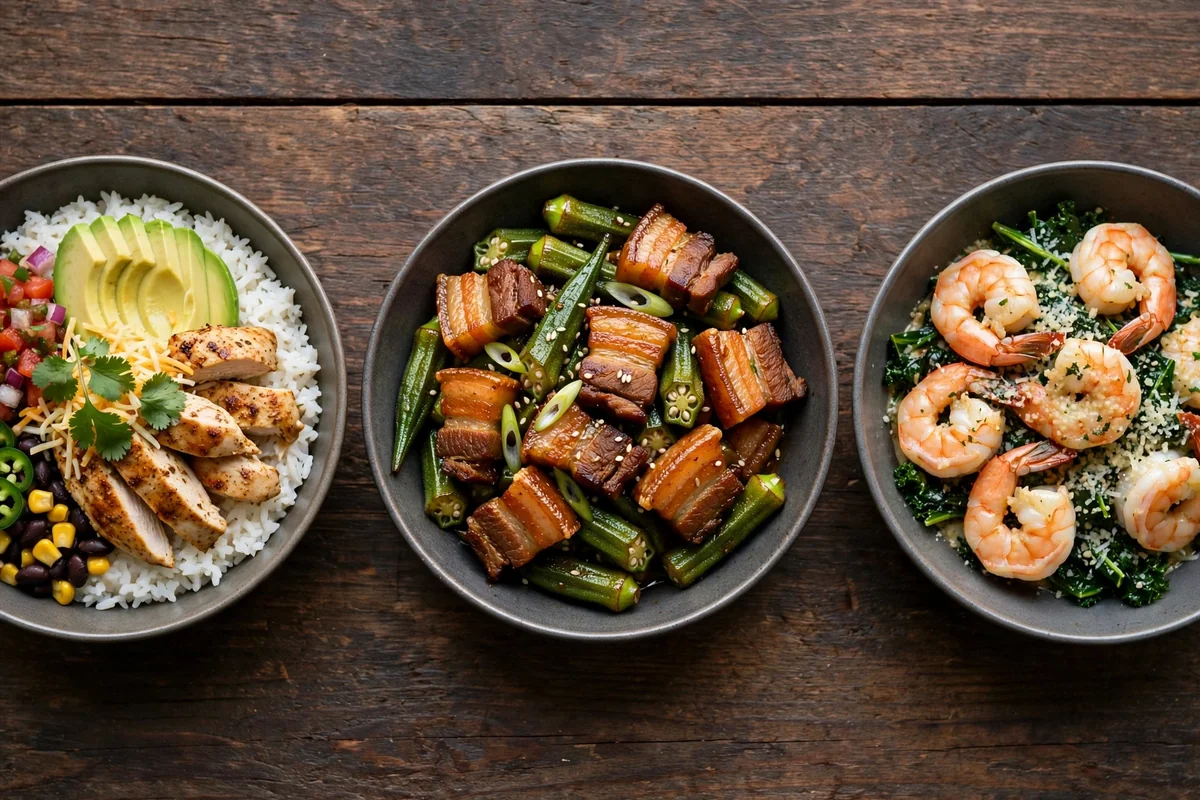
Pelvic pain has a way of shrinking the day down to the sofa, the heat pack, and whatever food takes no effort at all. Cooking anything ambitious on a flare day is a fantasy, and takeaway three nights running leaves you feeling worse in a different way.
This 7 day anti inflammatory diet meal plan for pelvic pain keeps the cooking simple and the shopping ordinary, with fish, beans, greens, olive oil, and whole grains doing most of the work. Nothing here is exotic enough to hunt down, and nothing takes longer than forty minutes on a weekday.
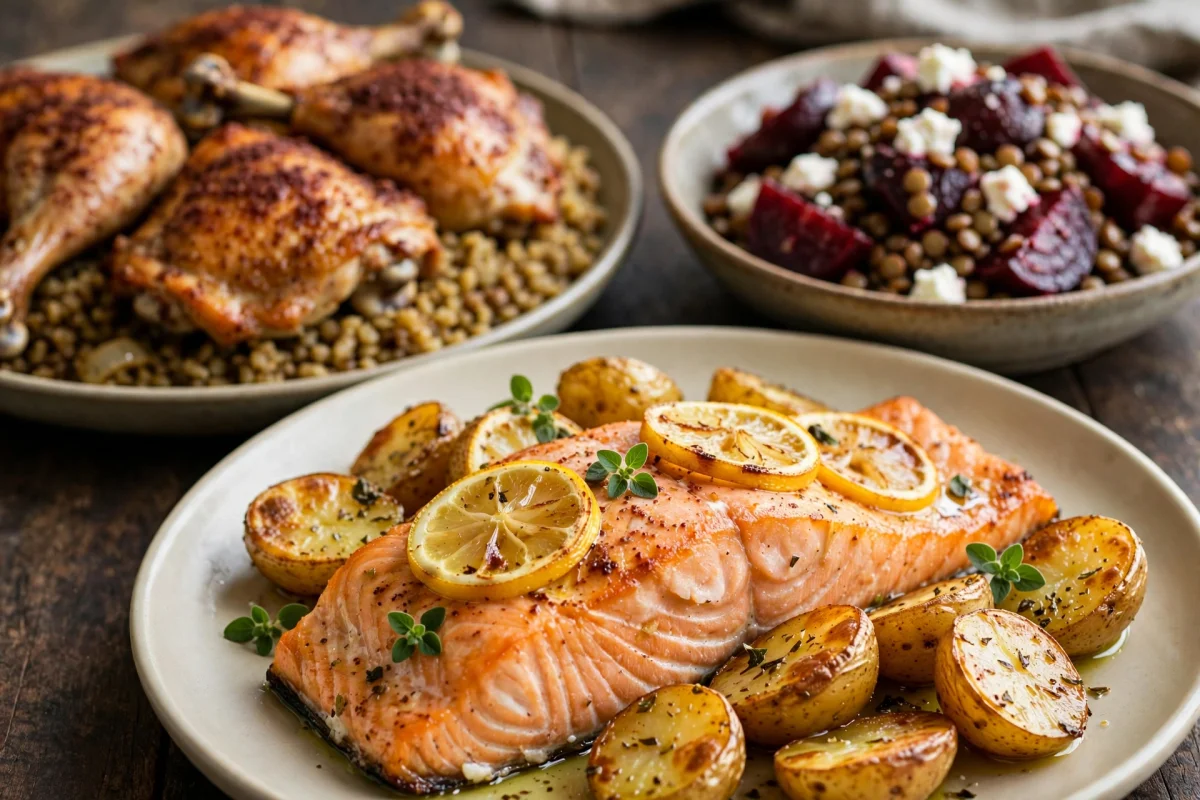
Picture a baked salmon fillet with oregano potatoes, a soba noodle salad with edamame, and a bowl of sumac roasted chicken over freekeh. The week leans on omega 3 fats, colorful vegetables, and warm spices like ginger and turmeric, with very little that comes out of a packet.
It is written for women living with endometriosis, adenomyosis, or pelvic pain that nobody has fully explained yet, especially anyone who has been told to try an anti-inflammatory eating pattern and left the appointment without a plan. It also suits the person cooking for them, since every dinner scales to two.
Honest expectations matter here, because no eating pattern has been shown to resolve pelvic pain on its own, and this week does not pretend otherwise. What a steady, produce heavy, low processed food week can do is support general health, keep energy more even, and reduce the bloating that often turns up alongside pelvic conditions.
Keep your specialist in the loop, keep your pain log going, and treat these seven days as one supportive layer of a much larger plan. The food is good enough to keep for its own sake, which is the only sustainable reason to eat this way.
Key Principles of an Anti Inflammatory Diet
The principles below come from the anti-inflammatory eating pattern itself rather than from any single study, and the count follows what this week actually needs. They cover fats, color, fiber, spice, and the two habits that matter most when pain runs the day.
- Fatty Fish Twice a Week: Salmon, mackerel, and haddock carry omega 3 fats that your body uses to build the signalling molecules behind normal inflammation. The Harvard guide to omega 3 fats explains the difference between plant and marine sources, and this week uses both.
- Color on Every Plate: Deep greens, red cabbage, beets, and orange squash bring different plant compounds to the table, and variety does more than any single superstar food. Aim for two colors at lunch and three at dinner, which the grid below does without effort.
- Fiber That Feeds the Gut: Beans, barley, farro, and vegetables feed the bacteria that produce short chain fatty acids, and a settled gut makes pelvic bloating easier to read. Raise fiber gradually if your gut is sensitive, and drink water alongside it.
- Warm Spices Instead of Heat: Ginger, turmeric, cumin, and cinnamon add depth without the chili burn that can irritate an already tender abdomen. Keep the heat mild and let the aromatics carry the flavor.
- Cook Once on Good Days: Pain rarely follows a schedule, so every dinner here reheats or freezes. Double the braise and the grain pot on an easier afternoon, and let the hard day inherit a finished meal instead of a decision.
Your 7 Day Anti Inflammatory Diet Meal Plan for Pelvic Pain
The week moves through Greek, Japanese, Mexican, Indian, Levantine, Nordic, and Italian cooking, so the plate never reads like a prescription. Each day keeps one omega 3 dish and one legume or whole grain, and the cooking stays short enough for a low energy evening.
Day 1
Breakfast:
- Strained Yogurt with Walnuts and Thyme Honey: Thick yogurt sits under toasted walnuts, a spoon of thyme honey, and a scatter of cinnamon. It takes three minutes, which matters on a morning when standing up already hurts.
Lunch:
- Lentil and Roasted Beet Salad with Feta: Warm lentils fold with roasted beets, rocket, and crumbled feta under a mustard vinaigrette. The beets roast in a foil packet, so there is nothing to scrub afterward.
Dinner:
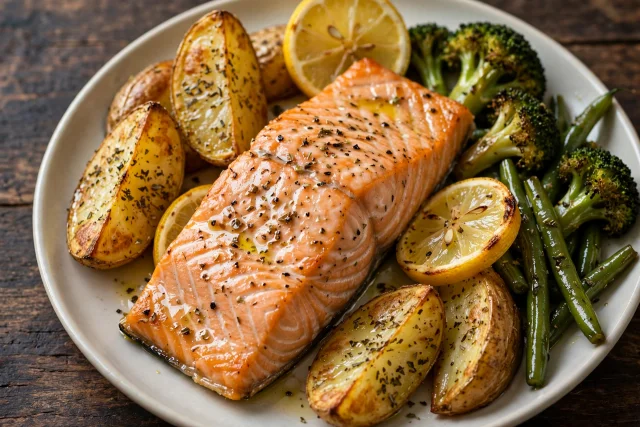
- Baked Salmon with Lemon and Oregano Potatoes: Salmon roasts on the same tray as potato wedges dusted with oregano and lemon zest, and the juices do the seasoning. One tray, one wash up, and a serious dose of omega 3.
Snacks:
- Orange and Almonds: A peeled orange with a small handful of almonds covers the afternoon gap without any sugar crash. Keep a bowl of almonds on the counter so the choice is already made.
Day 2
Breakfast:
- Morning Miso Broth with Silken Tofu: Miso dissolves into hot broth with silken tofu, wakame, and sliced scallion, and it goes down easily when appetite is thin. Sip it from a mug if a bowl feels like too much.
Lunch:
- Chilled Soba Bowl with Edamame and Sesame Ginger: Cold soba tosses with edamame, cucumber ribbons, and a sesame ginger dressing that sharpens as it sits. Pack it in a wide container so the noodles stay loose instead of clumping.
Dinner:
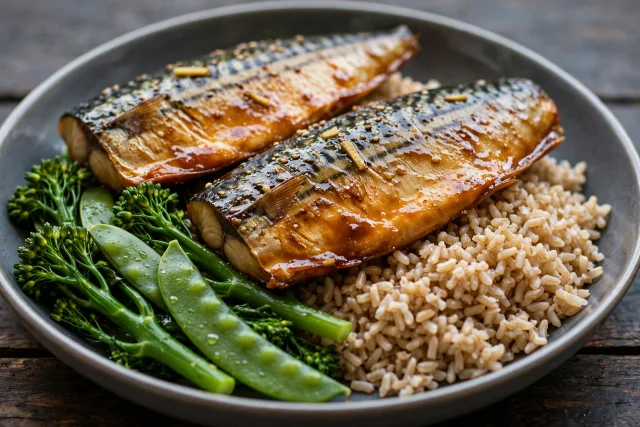
- Ginger Glazed Mackerel with Brown Rice: Mackerel fillets sear skin down until crisp, then a ginger and soy glaze goes in for the last minute. Brown rice and steamed greens soak up whatever runs off the fish.
Snacks:
- Matcha Almond Butter Rice Cakes: Rice cakes spread with almond butter and dusted with matcha make a two minute snack with a bitter edge. Two is plenty, and they travel well in a bag.
Day 3
Breakfast:
- Sweet Potato and Black Bean Hash with Lime: Diced sweet potato browns with cumin before black beans, spinach, and a squeeze of lime join the pan. Top it with a poached egg if you want the morning to last longer.
Lunch:
- Smoky Chicken and Avocado Bowl: Chicken thighs rub with smoked paprika and cumin, then sit over rice with avocado, tomato, and shredded lettuce. It is a lunch that holds its shape in a container until noon.
Dinner:
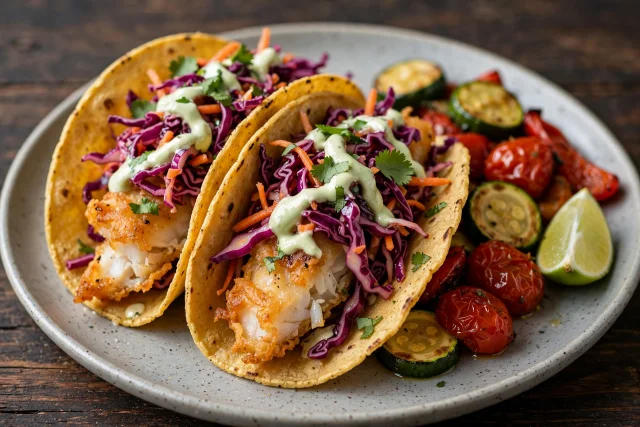
- Baja White Fish Tacos with Cabbage Slaw: White fish dredges lightly in flour and cumin, then fries quickly while cabbage slaw sharpens with lime. Warm corn tortillas and a yogurt crema finish a dinner that feels like a night out.
Snacks:
- Mango with Chili and Lime: Sliced mango with lime and the smallest pinch of chili is sweet, sour, and cooling all at once. It is the snack that gets requested twice.
Day 4
Breakfast:
- Masala Omelet with Coriander: Two eggs beat with turmeric, cumin, and chopped coriander, then cook slow and soft in a small pan. Fold it over a slice of wholemeal toast and eat it while it is still warm.
Lunch:
- Kala Chana Salad with Cucumber and Mint: Black chickpeas, cucumber, red onion, and mint toss in a lemon dressing with a little roasted cumin. Soak the chickpeas overnight if you have the time, or use a tin and save the effort for something else.
Dinner:
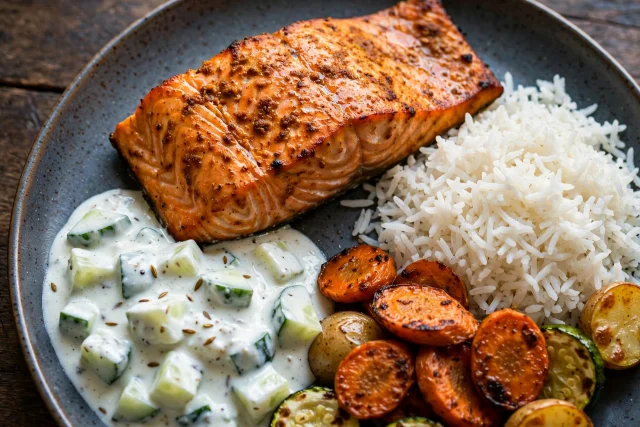
- Tandoori Salmon with Cucumber Raita: Yogurt, ginger, and tandoori spices coat salmon before a hot oven sets the edges dark and the middle stays soft. Cool raita with grated cucumber balances every bite.
Snacks:
- Turmeric Milk with Pistachios: Warm milk with turmeric, black pepper, and honey goes down like a blanket, and chopped pistachios give it something to chew. Drink it an hour before bed on the harder days.
Day 5
Breakfast:
- Za'atar Scrambled Eggs with Tomato Salad: Eggs scramble slow with za'atar until barely set, and a sharp tomato and cucumber salad sits beside them. Warm flatbread makes it a proper breakfast rather than a snack.
Lunch:
- Falafel Plate with Tahini and Pickled Turnip: Baked falafel sit with hummus, pickled turnip, tomato, and a lemon tahini drizzle. It packs into a lunch box in layers and stays good for hours.
Dinner:
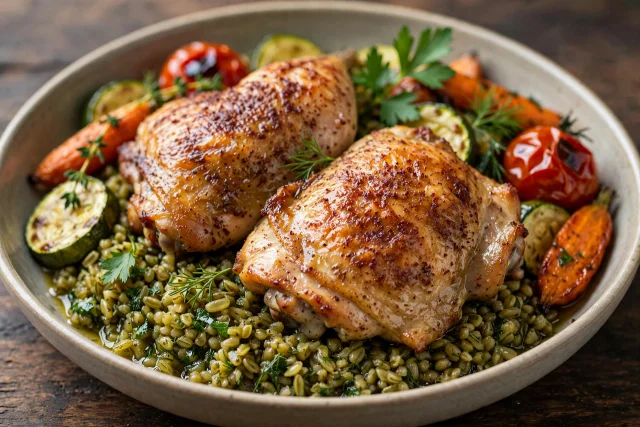
- Sumac Roasted Chicken with Freekeh: Chicken thighs roast over freekeh with sumac, onion, and a splash of stock until the grains turn smoky and soft. One dish goes into the oven and the whole dinner comes out.
Snacks:
- Walnut Stuffed Dates: Medjool dates split and stuffed with walnut halves take thirty seconds and taste like a proper sweet. Three is a reasonable portion, and they keep in the fridge for a fortnight.
Day 6
Breakfast:
- Rye Toast with Smoked Trout and Dill: Dark rye toast carries smoked trout, a smear of cream cheese, and plenty of dill. It feels like a hotel breakfast and takes four minutes to assemble.
Lunch:
- Barley and Roasted Root Salad with Horseradish Dressing: Pearl barley tosses with roasted carrot and parsnip under a yogurt horseradish dressing that clears the sinuses gently. It improves overnight, so make it the night before.
Dinner:
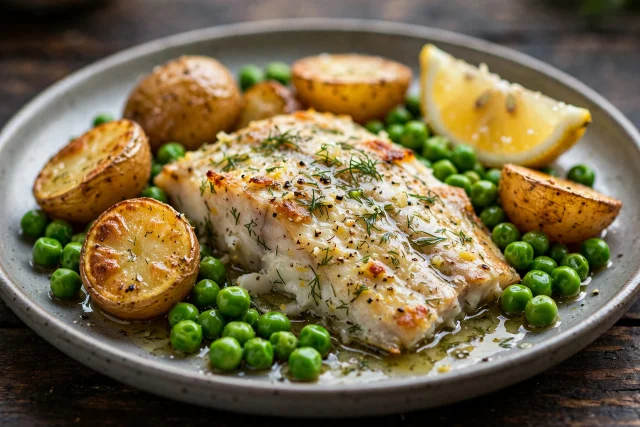
- Dill Baked Haddock with New Potatoes: Haddock bakes under lemon, dill, and a little butter while new potatoes boil beside peas. It is plain food in the best sense, and gentle enough for a tender day.
Snacks:
- Skyr with Lingonberry and Oats: Thick skyr layers with lingonberry jam and toasted oats for a snack that eats like a parfait. Use any tart berry jam if lingonberry is hard to find.
Day 7
Breakfast:
- Ricotta and Berry Breakfast Bowl: Ricotta loosens with a little milk and honey, then berries and toasted seeds pile on top. It is soft, cool, and quick on a morning when chewing feels like work.
Lunch:
- Farro Salad with Roasted Squash and Sage: Chewy farro mixes with caramelized squash, fried sage, and shaved parmesan under olive oil. It holds up in the fridge for three days and gets better each one.
Dinner:
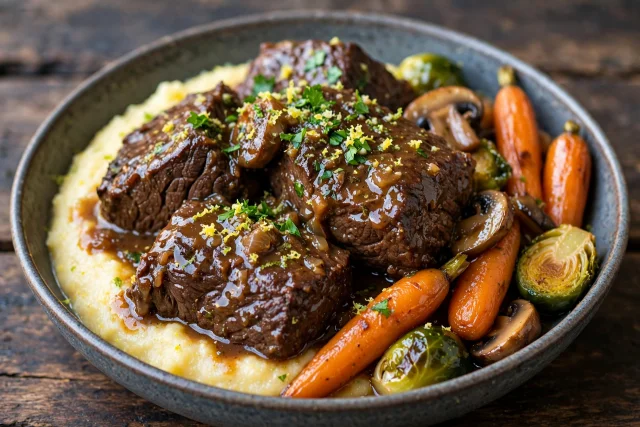
- Chianti Braised Beef with Soft Polenta: Beef shin braises low with wine, tomato, and rosemary until it shreds with a spoon, then sits on soft polenta with gremolata. This is the Sunday pot that feeds Monday too.
Snacks:
- Hazelnut and Cocoa Energy Squares: Toasted hazelnuts chop into melted dark chocolate and oats, then set in a small tin and cut into squares. One square closes the day, and the tin keeps for a fortnight.
Your Anti Inflammatory Diet Grocery List
This list matches the grid dish for dish, with nothing added and nothing forgotten, so one main shop covers the whole week. Buy the fish fresh on the day you cook it, or frozen if that suits your week better, and keep two tins of beans back for the nights when cooking runs out.
Fruits
- Fresh Fruits: Oranges, mango, berries, lemons, limes, avocado, tomato (for snacks, bowls, salads, and dressings).
- Dried Fruits: Medjool dates, lingonberry jam (for the stuffed dates and the skyr layer).
Vegetables
- Leafy Greens: Rocket, spinach, lettuce, dill, coriander, mint, parsley, sage, rosemary (herbs carry most of the flavor this week).
- Roots and Squash: Beetroot, sweet potato, potato, new potatoes, carrot, parsnip, red onion, garlic, ginger, cucumber, red cabbage (roasts, salads, and slaw).
- Fresh Extras: Edamame, wakame, pickled turnip, peas, corn tortillas, silken tofu (the Japanese and Mexican days).
Proteins
- Fish: Salmon fillets, mackerel fillets, white fish fillets, smoked trout, haddock (the omega 3 spine of the week).
- Meat and Eggs: Chicken thighs, beef shin, eggs (four dinners and one breakfast).
- Plant Proteins: Lentils, black beans, kala chana, falafel, hummus (the legume half of the week).
Grains and Bakery
- Whole Grains: Brown rice, soba noodles, freekeh, pearl barley, farro, polenta, rolled oats, rice cakes (every base in the grid).
- Breads: Wholemeal toast loaf, dark rye bread, flatbread (breakfasts and scoops).
Nuts and Seeds
- Nuts: Walnuts, almonds, pistachios, hazelnuts, sesame seeds, rolled oats (snacks, toppings, and the cocoa squares).
Dairy and Refrigerated
- Dairy: Strained yogurt, skyr, ricotta, feta, cream cheese, milk, butter, parmesan (the cooling half of the plate).
- Fridge Basics: Miso paste, tahini, yogurt for raita and crema, horseradish (flavor without heat).
Pantry
- Oils: Extra virgin olive oil, sesame oil (dressings, roasts, and the fish pan).
- Spices: Sumac, za'atar, turmeric, cumin, smoked paprika, tandoori masala, cinnamon, oregano, black pepper (the warm spice shelf).
- Pantry Extras: Chianti or any dry red, honey, thyme honey, soy sauce, black pepper, seventy percent dark chocolate (the braise, the glaze, and the closing square).
Easy Food Alternatives for Your Anti Inflammatory Diet
Some weeks the fish counter is empty, the budget is tight, or the thought of another fillet is too much. These five swaps keep the same anti-inflammatory shape without asking you to start the week over on a Thursday afternoon, so pick the one that fits the day.
- When Fish Is Off the Table: Walnuts, flaxseed, chia, and hemp seeds carry plant omega 3 fats, and tofu or eggs can take the protein slot. Use two tablespoons of ground flaxseed a day and the gap narrows more than you would expect.
- When Fresh Produce Costs Too Much: Frozen berries, frozen spinach, tinned tomatoes, and bagged cabbage keep the color and the fiber at half the price. They are picked and frozen at their best, so nothing is lost in the swap.
- When Cooking Energy Runs Out: Tinned beans with olive oil, lemon, and herbs over microwave rice is a five minute dinner that still fits the pattern. Keep two tins and a lemon in the cupboard for exactly this.
- When Dairy Bloats You: Swap yogurt for coconut yogurt and feta for olives or avocado, and keep the rest of the plate the same. The calcium can come from tinned sardines, tofu, and leafy greens instead.
- When You Want Something Sweet: Dark chocolate, stuffed dates, and fruit with yogurt cover most cravings without a blood sugar spike. Portion them onto a plate rather than eating from the pack, which is the only rule that matters.
Getting Started With This Anti Inflammatory Meal Plan for Pelvic Pain
Start with one prep hour, roasting the beets and cooking a pot of grains while the oven is warm, then put the two dinners you are most likely to cook at the front of the week. Momentum matters more than perfect order, and the Office on Women's Health overview is worth reading before your next appointment.
Keep a simple log of what you ate and how the day felt, since pelvic pain has many drivers and food is only one of them. Bring that log to your specialist rather than drawing conclusions alone, and give the pattern at least three or four weeks before you judge it, because a single flare week tells you very little.
Keep exploring with our broader anti-inflammatory week and a plant based starter plan, plus two weeks of Mediterranean DASH meals, a plant based Daniel Fast plan and a low FODMAP week for bloating, alongside an anti-inflammatory plan for adenomyosis and a week built for healthy estrogen balance.
This article is for information only and is not medical advice. Read our full disclaimer.