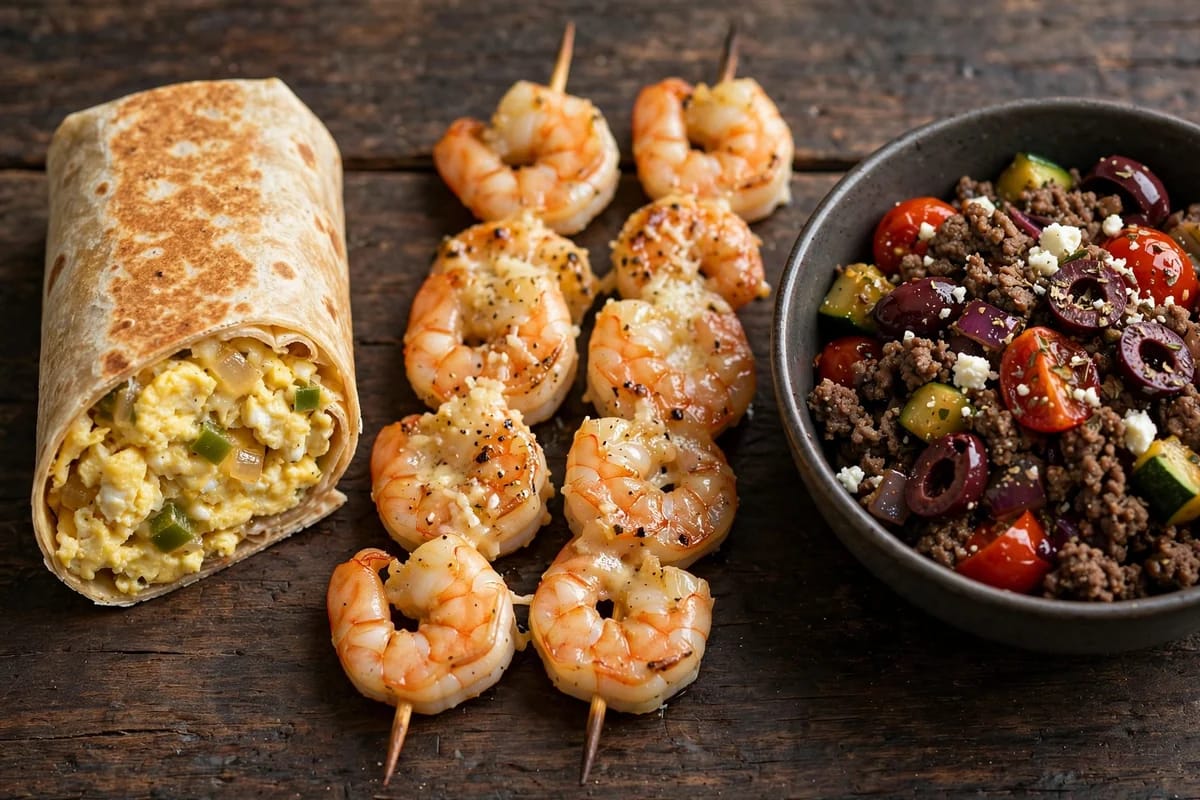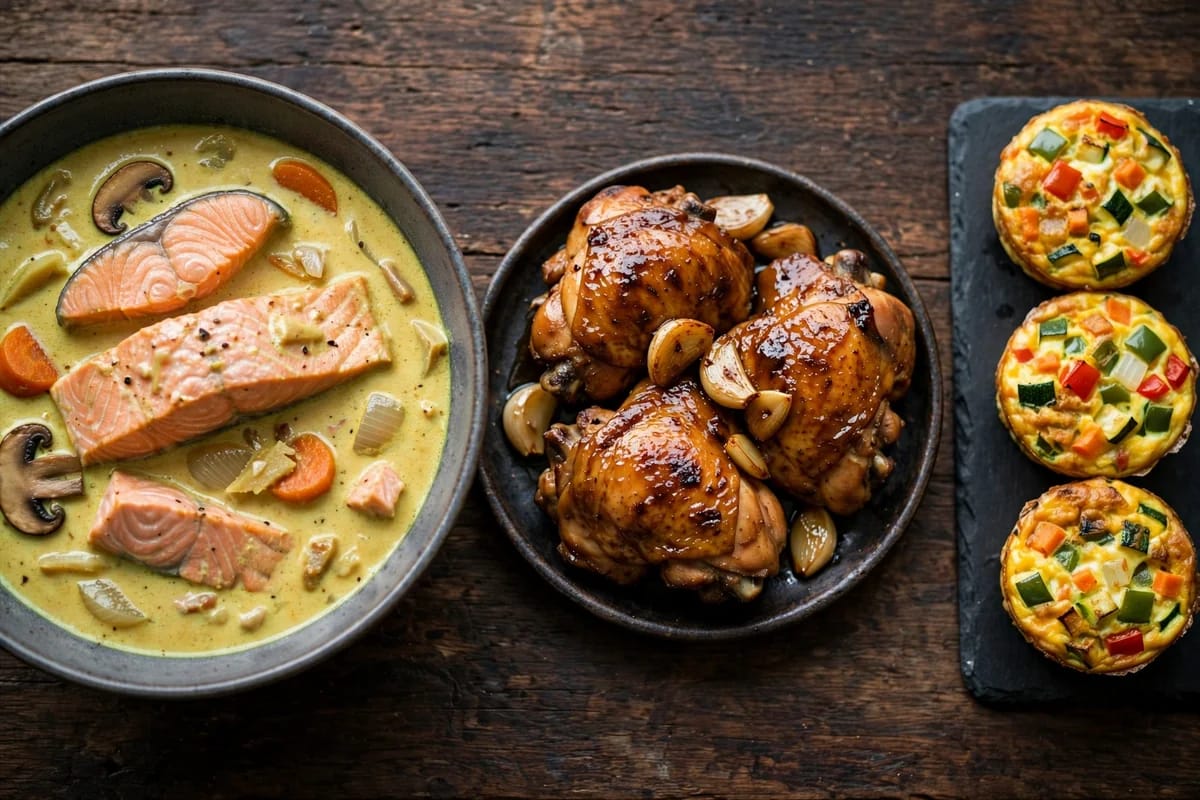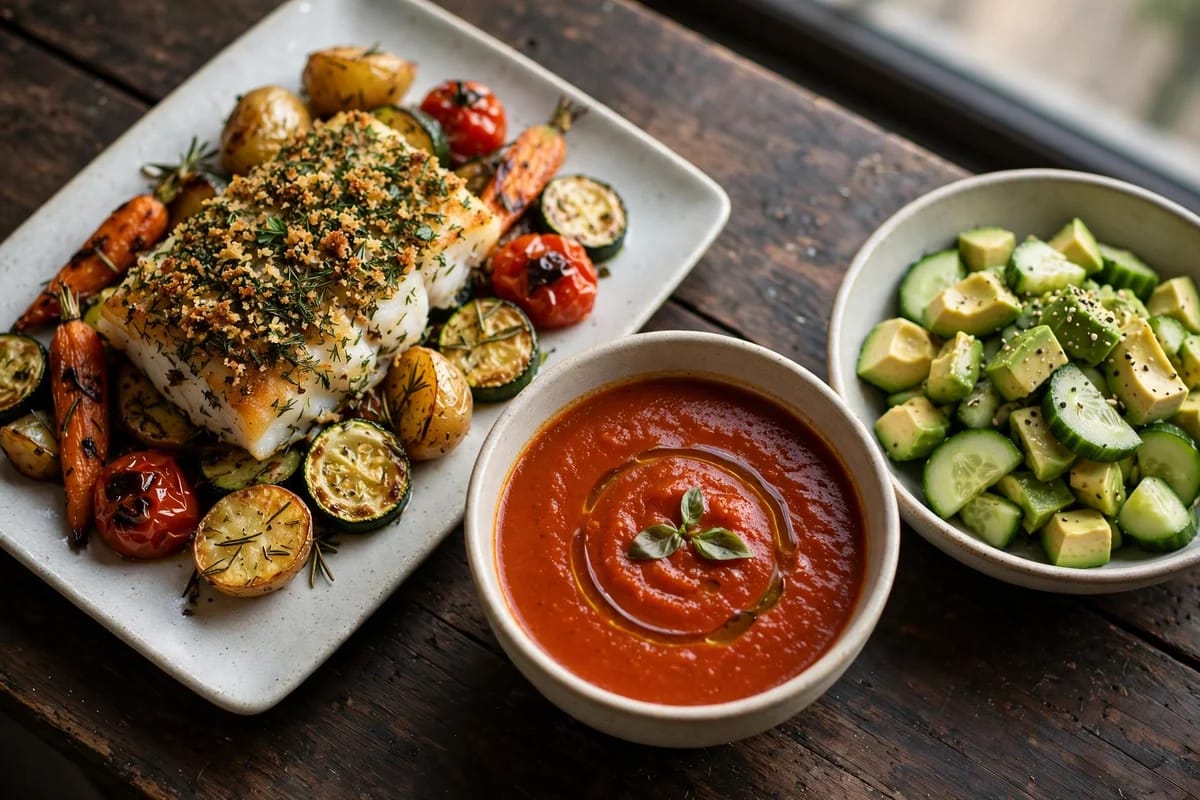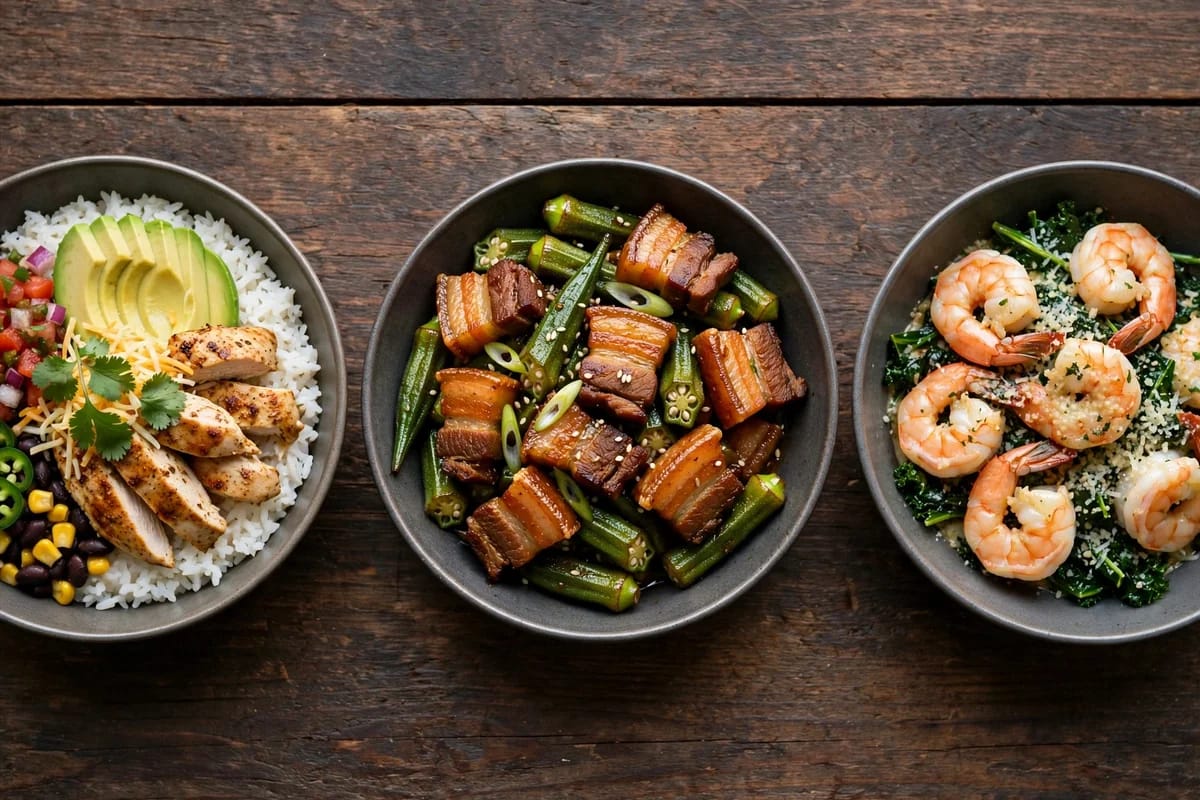
Most people leave the clinic with one line about fiber and no idea what to do with it. The pouches showed up on a scan, the report called them diverticulosis, and the advice was to eat more plants without anyone mapping out a week. This 7 day diverticulosis meal plan for long term digestive health fills that gap with real plates, counted fiber, and a pace your gut can follow.
Diverticulosis simply means small pouches have formed along the colon wall, and they are common after forty. They are not inflamed and usually cause no pain, and the everyday work is keeping stools soft and moving so pressure inside the bowel stays low, which is where fiber and water do their part.
What this week delivers is steady, not heroic. Most days land between thirty and forty grams of fiber from beans, whole grains, fruit with the skin on, and vegetables, built up in a way that avoids the bloating people feel when they jump from twelve grams to thirty five overnight.
The people this suits are adults told to eat more fiber after a colonoscopy found pouches, anyone with a family history who wants the habit in place before a problem starts, and the cook who has tried whole wheat everything and given up because dinner stopped tasting good. It also fits households where one person eats this way and everyone else simply eats the same food.
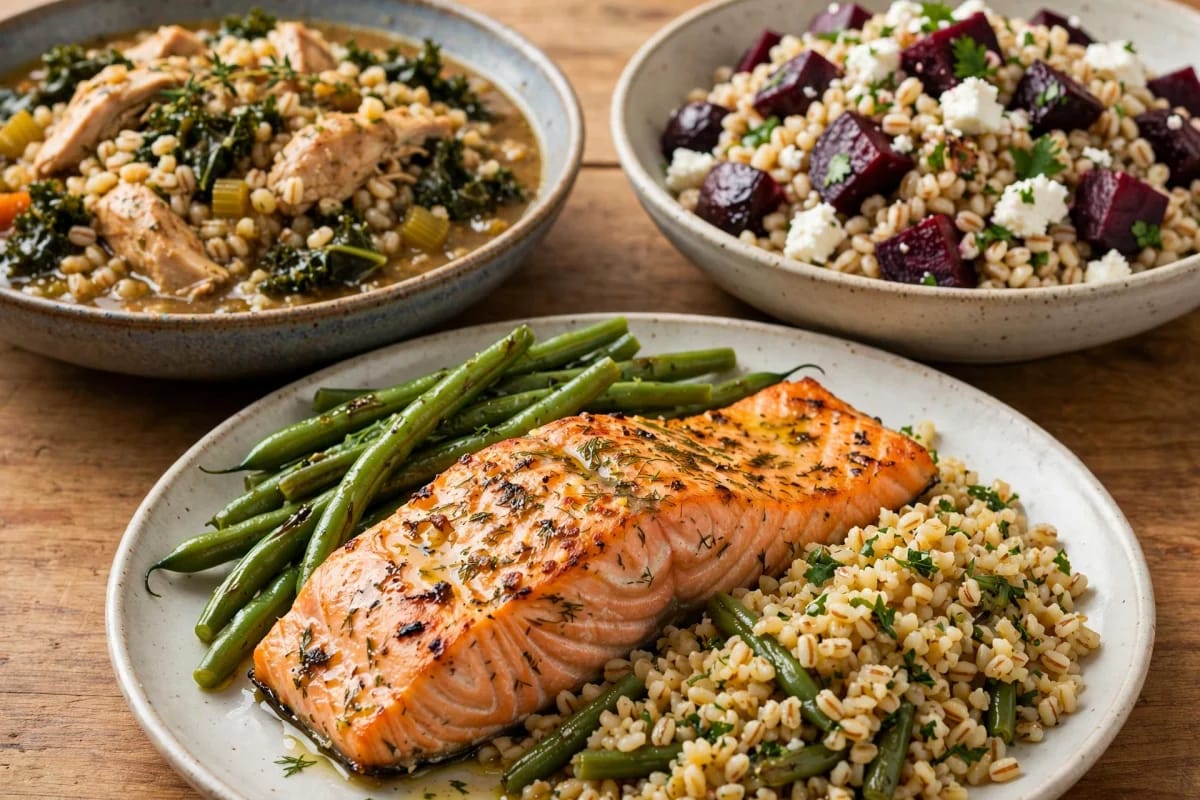
Picture salmon over bulgur with green beans, a bowl of chicken and pinto beans on brown rice, freekeh pilaf with roasted carrots and pine nuts, and a barley salad with beets and dill. The plates look generous, they carry real texture, and none of them reads like a bran muffin penance.
The one adjustment that matters early is fluid, because fiber without water is the classic mistake that turns a good intention into a hard week. Drink with every meal from day one, walk after dinner when you can, and let the last three days show you the size of plate that keeps you comfortable.
High Fiber Diet for Diverticulosis Basics
Five habits hold this week together, and they are about pace and pairing rather than restriction. Each one answers something people ask after the diagnosis, and together they turn a vague instruction into a routine you can keep past the first enthusiastic fortnight.
- Build Up Instead of Switching: Add about five grams a day each week rather than doubling overnight, since a sudden jump is what causes gas and cramping. This menu already spreads the increase across seven days so the climb feels mild.
- Pair Fiber with Water: Every gram of fiber needs fluid to do its job, so keep a glass at the table and refill it between meals. Without water, a high fiber plate can feel heavy instead of helpful, and the stool gets harder rather than softer.
- Mix Soluble and Insoluble: Oats, barley, beans, and fruit pith soften the stool while wheat bran, skins, and greens add bulk and speed. Both matter here, and the week alternates them so neither one dominates a single day.
- Keep Protein on the Plate: Fiber alone leaves people hungry by nine in the evening, so fish, chicken, eggs, and legumes anchor every meal. Protein also slows the meal down, which is why these plates keep you full for hours.
- Move a Little Every Day: A twenty minute walk after dinner does as much for regularity as another bowl of beans, because movement speeds transit through the colon. Pair the walk with the meal and it stops being a separate task.
Your 7 Day Diverticulosis Meal Plan
This diverticulosis meal plan runs a counted fiber week with no cuisine repeated, so the Mediterranean opening gives way to Mexican, Indian, Nordic, Levantine, and West African cooking before an American close. Early days lean on familiar grains while the last three push legumes and barley, the order that keeps bloating low.
Day 1
Breakfast:
- Overnight Oats with Raspberries and Chia: Rolled oats soak overnight with milk, chia, and a spoon of yogurt, then raspberries go on cold in the morning. Eleven grams of fiber before you have finished your coffee, and it keeps in the fridge for three days.
Lunch:
- Lentil and Farro Salad with Feta: Chewy farro and small green lentils toss with cucumber, parsley, lemon, and crumbled feta. It packs well for a desk lunch and tastes better on the second day, which is rare for a grain salad.
Dinner:
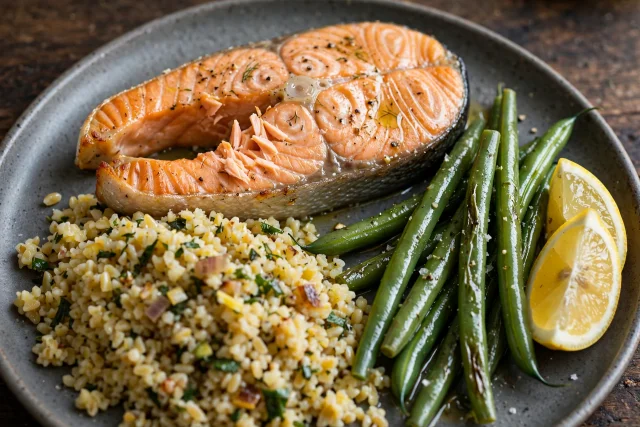
- Baked Salmon with Bulgur and Green Beans: Salmon roasts with lemon and olive oil while bulgur steams and green beans blanch until they squeak. It follows the same oven method as our oven baked salmon recipe, with bulgur taking the place of the usual starch.
Snacks:
- Bosc Pear with Cashew Butter: A whole pear, skin on, sliced and dragged through cashew butter. The skin is doing the fiber work here, so leave it where it is and eat the fruit slowly.
Day 2
Breakfast:
- Black Bean Breakfast Tacos with Avocado: Warm corn tortillas hold mashed black beans, scrambled egg, avocado, and a spoon of salsa. Fifteen grams of fiber at breakfast sounds like a lot until you see how small the beans portion actually is.
Lunch:
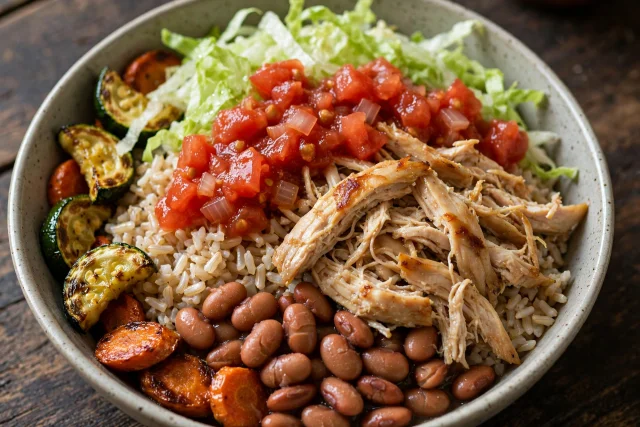
- Chicken and Pinto Bean Bowl with Brown Rice: Shredded chicken, pinto beans, brown rice, tomato salsa, and shredded lettuce build in one bowl with a squeeze of lime. Cook the rice and beans on the weekend and this becomes a five minute assembly all week.
Dinner:
- Turkey Picadillo with Whole Wheat Tortillas: Ground turkey simmers with tomato, cumin, and diced potato until the filling turns saucy, then rolls into warm whole wheat tortillas. Add a cabbage slaw on the side and the plate gains another four grams without effort.
Snacks:
- Apple Slices with Pumpkin Seeds: A crisp apple cut into wedges with a small handful of toasted pumpkin seeds. Sweet, salty, and portable, which is what a snack has to be on a week with more cooking than usual.
Day 3
Breakfast:
- Masala Oats with Peas and Carrot: Rolled oats cook savory with cumin, turmeric, peas, and grated carrot, finished with a squeeze of lemon. It reads like a grain bowl rather than porridge, and it takes eight minutes from a cold pan.
Lunch:
- Lobia Curry with Brown Rice: Black eyed peas simmer in a tomato and onion gravy with ginger and garam masala, then spoon over brown rice. Soak the peas overnight and the pot finishes in half an hour on a weeknight.
Dinner:
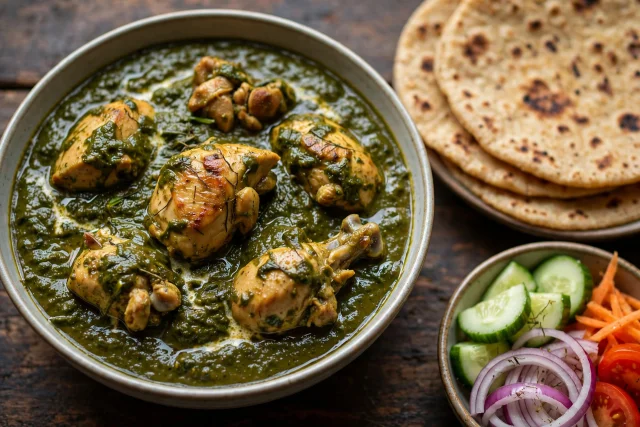
- Palak Chicken with Millet Roti: Chicken pieces braise in a thick spinach gravy with garlic and warm spice, and millet roti scoops it up. Spinach and millet together push the day past thirty grams without a single supplement.
Snacks:
- Paprika Roasted Chickpeas with Clementine: Crunchy roasted chickpeas dusted with paprika beside two clementines. The chickpeas stay crisp for two days in a jar, so roast a double batch on the first evening.
Day 4
Breakfast:
- Rye Bread with Cottage Cheese and Cucumber: Dense rye toast with cottage cheese, thin cucumber, and cracked pepper. The bread is the point here, since rye carries more fiber per slice than most sandwich loaves.
Lunch:
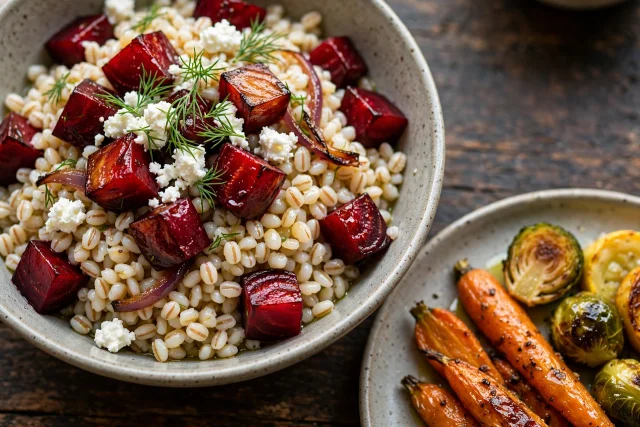
- Barley and Beet Salad with Dill: Pearl barley tosses with roasted beets, red onion, dill, and feta in a mustard vinaigrette. It is the prettiest plate of the week and the one most likely to convert someone who thinks barley is dull.
Dinner:
- Mustard Glazed Salmon with Rye and Cabbage Slaw: Salmon brushes with grainy mustard and honey before a hot roast, and a cabbage slaw with caraway sits beside it. Rye bread on the side turns the plate into something closer to a Nordic open sandwich.
Snacks:
- Skyr with Blueberries and Flaxseed: Thick skyr stirred with ground flaxseed and a handful of blueberries. Ground flax is the quiet workhorse of this week, and a tablespoon disappears into yogurt without a trace.
Day 5
Breakfast:
- Labneh with Figs and Toasted Sesame: Labneh spread thick on a plate with quartered figs, sesame seeds, and a thread of honey. Two figs carry more fiber than a slice of whole wheat toast, and the plate takes three minutes.
Lunch:
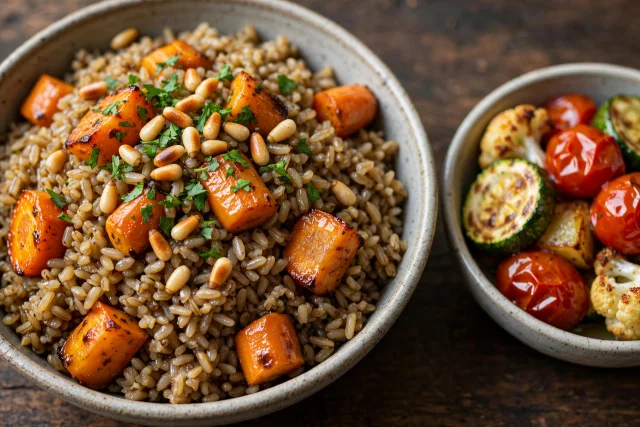
- Freekeh Pilaf with Roasted Carrots and Pine Nuts: Smoked green wheat cooks like rice, then folds with roasted carrots, pine nuts, and parsley. The nutty, slightly smoky grain is the surprise of the week and it holds up in a lunch box.
Dinner:
- Chicken Shawarma Bowl with Chickpeas and Greens: Spiced chicken roasts with chickpeas, then both land on greens with garlic sauce and pickled onion. It follows the core of our chicken shawarma bowl, with extra chickpeas doing the fiber work.
Snacks:
- Medjool Dates with Tahini: Two soft dates split and filled with tahini, plus a pinch of salt. It eats like a candy bar and carries four grams of fiber, which is more than most packaged snacks manage.
Day 6
Breakfast:
- Teff Porridge with Banana and Cinnamon: Tiny teff grains cook into a warm, nutty porridge in five minutes, then banana and cinnamon go on top. Teff is naturally high in fiber and iron, and it never turns gluey the way oats can.
Lunch:
- Misir Wot with Whole Wheat Injera: Red lentils cook down with berbere, tomato paste, and onion until the stew turns thick and glossy. Injera brings its own fiber, and a spoon of yogurt cools the edges for anyone new to the spice.
Dinner:
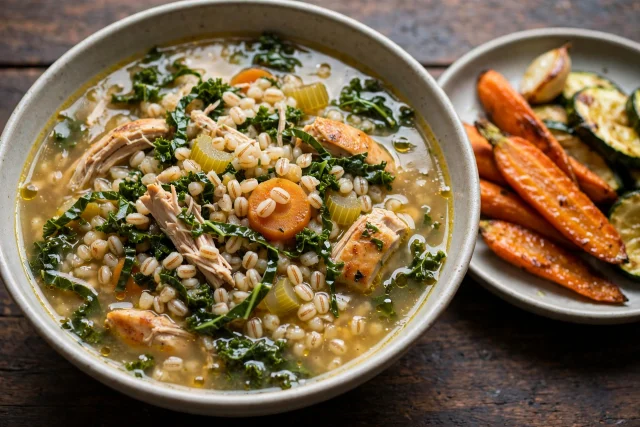
- Chicken and Barley Stew with Kale: Chicken thighs and pearl barley simmer with carrots, celery, and shredded kale until the broth thickens on its own. It is a one pot dinner that reheats into something even better the next day.
Snacks:
- Roasted Edamame with Sea Salt: Frozen edamame roasted until the pods blister, then salted and eaten hot. Eight grams of fiber in a snack you can make while the stew simmers.
Day 7
Breakfast:
- Bran Flakes with Prunes and Milk: Wheat bran flakes with chopped prunes and cold milk, plus a spoon of yogurt if you want it creamier. It is the least glamorous bowl of the week and the most effective for a slow morning.
Lunch:
- Turkey Sausage and Navy Bean Soup: Turkey sausage browns with onion and carrot, then navy beans and stock simmer until the broth turns creamy. Make a double pot and freeze half for the week after this one ends.
Dinner:
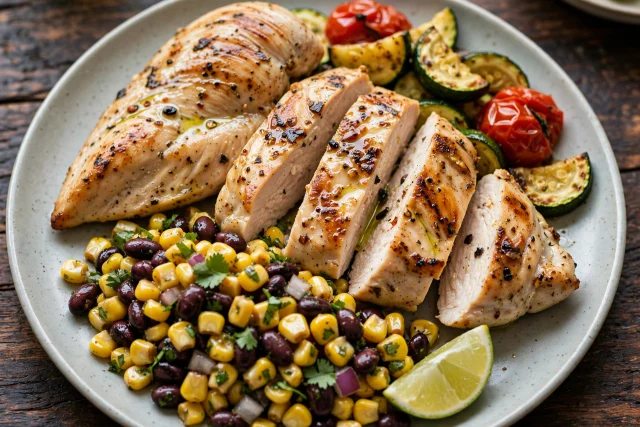
- Grilled Chicken with Corn and Black Bean Salad: Chicken grills hot and fast while corn, black beans, red onion, cilantro, and lime come together cold. The contrast of hot protein and cool salad is what makes this plate feel like summer rather than a fiber assignment.
Snacks:
- Popcorn with Almonds: Air popped corn tossed with chopped almonds and a little butter. Popcorn has been unfairly blamed for diverticular problems, and the research behind that worry never held up.
Foods to Eat With Diverticulosis Grocery List
The list covers all twenty one meals and seven snacks and leans on four aisles, beans, whole grains, fruit, and vegetables, with the rest filling in protein and flavor. Buy the dried beans you will actually soak, and keep a couple of cans of pinto and navy beans as backup for the nights that run late.
Fruits
- Fresh and Skinned: Pears, apples, bananas, oranges, clementines, figs, and avocados (for the snacks, the tacos, and the labneh plate).
- Berries and Dried: Raspberries, blueberries, and Medjool dates plus prunes (the oats, the skyr bowl, the bran flakes, and the tahini snack).
Vegetables
- Leafy Greens: Spinach for the palak gravy and shredded kale for the barley stew (both wilt down to almost nothing).
- Crunch and Slaw: Cucumber, red onion, cabbage, and romaine for the salads and the slaw (keep the cabbage cold and it stays crisp for days).
- Roots and Pods: Carrots, beets, potatoes, green beans, peas, and corn (the pilaf, the tray roast, the picadillo, and the closing salad).
- Aromatics: Garlic, ginger, scallions, cilantro, parsley, and dill (the curries, the stews, and every dressing this week).
Proteins
- Fish: Salmon fillets for two dinners (buy fresh on the day, or thaw overnight in the fridge).
- Poultry: Chicken thighs, chicken breast, and ground turkey (the shawarma, the stew, the picadillo, and the grill).
- Legumes: Green lentils, black eyed peas, pinto beans, black beans, chickpeas, navy beans, and red lentils (the backbone of the fiber count).
- Dairy and Eggs: Eggs, feta, cottage cheese, skyr, labneh, plain yogurt, and milk (breakfasts, snacks, and the cooling spoon on the wot).
Whole Grains and Bakery
- Grains: Rolled oats, farro, bulgur, pearl barley, freekeh, teff, and brown rice (one grain per day, cooked ahead where you can).
- Bread and Wraps: Dense rye bread, whole wheat tortillas, corn tortillas, and whole wheat injera (the toast, the tacos, and the picadillo).
- Cereal and Crackers: Wheat bran flakes and plain whole grain crackers (the closing breakfast and a backup snack).
Nuts, Seeds and Pantry
- Nuts and Seeds: Chia, ground flaxseed, pumpkin seeds, pine nuts, almonds, cashew butter, and tahini (spread across breakfasts and snacks).
- Oils and Vinegar: Olive oil, toasted sesame oil, and red wine vinegar (every roast, dressing, and finish).
- Flavor: Berbere, cumin, turmeric, garam masala, grainy mustard, honey, paprika, and low sodium stock (the spice shelf that keeps thirty grams of fiber from tasting like thirty grams of fiber).
Easy Food Alternatives for Your Diverticulosis Diet
Five swaps cover the moments when the week meets real life, and every one of them keeps the fiber count intact while changing the shape of the meal. They are written for the situation rather than the food, so you can find the one you need without reading the whole list again.
- When Beans Feel Like Too Much: Start with a half portion and rinse canned beans well, then build up over a fortnight. Rinsing lifts some of the oligosaccharides that cause gas, and a smaller scoop still counts toward the day.
- When You Need Dinner in Ten Minutes: Keep cooked barley or brown rice in the freezer and a can of chickpeas in the cupboard. A grain, a legume, and a bag of greens make a bowl faster than delivery arrives.
- When Breakfast Feels Boring: Rotate between oats, rye toast, teff porridge, and the bran bowl rather than eating the same thing for a month. Variety matters here because different fibers feed different gut bacteria.
- When Travel Takes Over: Pack dried figs, almonds, and a pear for the journey and choose a bean salad at the airport rather than a pastry. Two small decisions keep the week from resetting to zero.
- When Fiber Leaves You Bloated: Drop back to the previous day's amount for two days, drink more water, and add the food again more slowly. Bloating early is common, and it usually settles once the gut adapts.
Getting Started With This 7 Day Diverticulosis Meal Plan
Begin with a soak and a simmer, because this week runs on legumes and grains that reward a little foresight. Soak black eyed peas and navy beans on the first evening, cook a pot of barley and a pot of brown rice, and roast a tray of beets while the oven is already hot.
Count fiber roughly rather than precisely, since a bean bowl, a piece of fruit, and a whole grain at dinner will land you in range without a spreadsheet. The Harvard Nutrition Source guide to fiber lists grams per serving for the foods in this week and explains why both soluble and insoluble types matter for the colon.
The NIDDK page on diverticulosis and diverticulitis is the plainest summary of what the pouches mean and why a high fiber diet is the standard advice, and it separates the two conditions clearly enough to settle most household arguments. Keep it bookmarked for the family member who still believes seeds are the enemy.
Once the seven days are done, repeat the week with one new legume and one new grain swapped in so the gut keeps meeting unfamiliar fiber, and raise the total slowly if your doctor wants you closer to thirty five grams. The habit is the whole treatment here, which makes the second week easier than the first.
Keep exploring with our anti-inflammatory week and a two week Mediterranean DASH plan, plus an easy plant based start, a budget friendly healthy week and a three week plant based reset, alongside freezer meals that keep a fiber week going and easy chicken dinners for busier nights.
This article is for information only and is not medical advice. Read our full disclaimer.