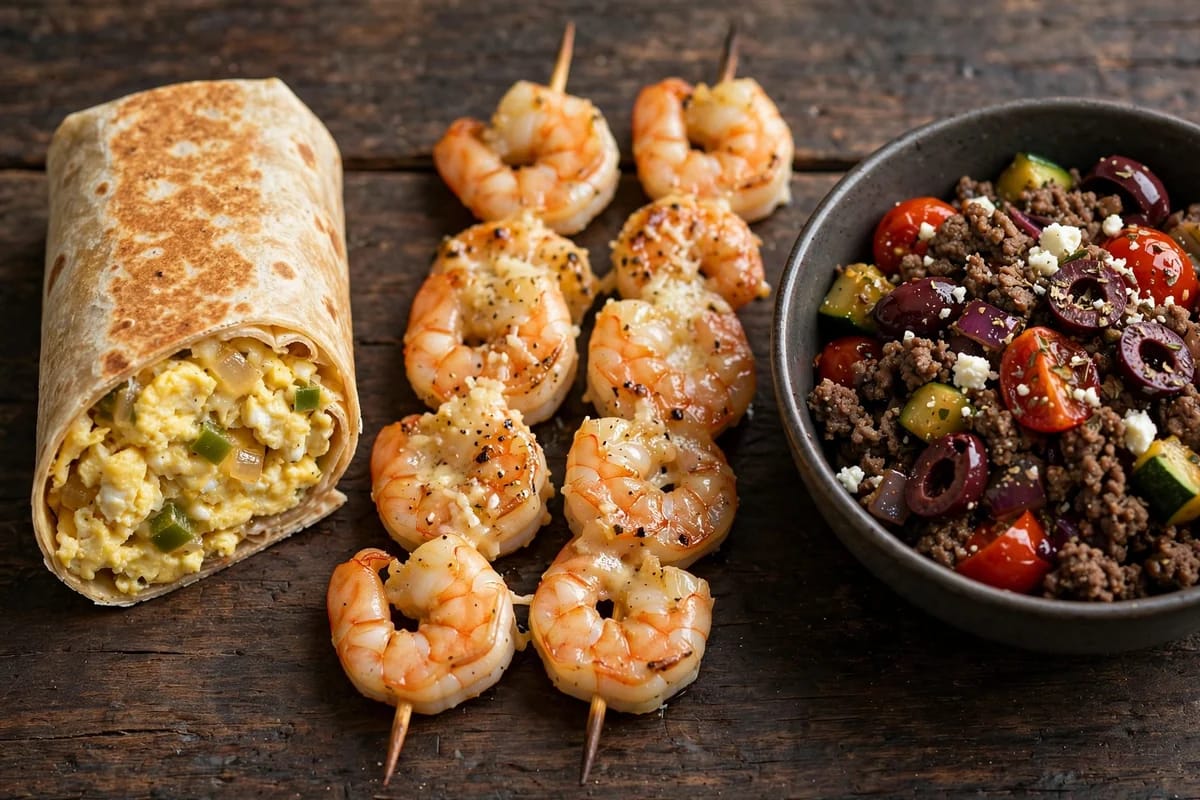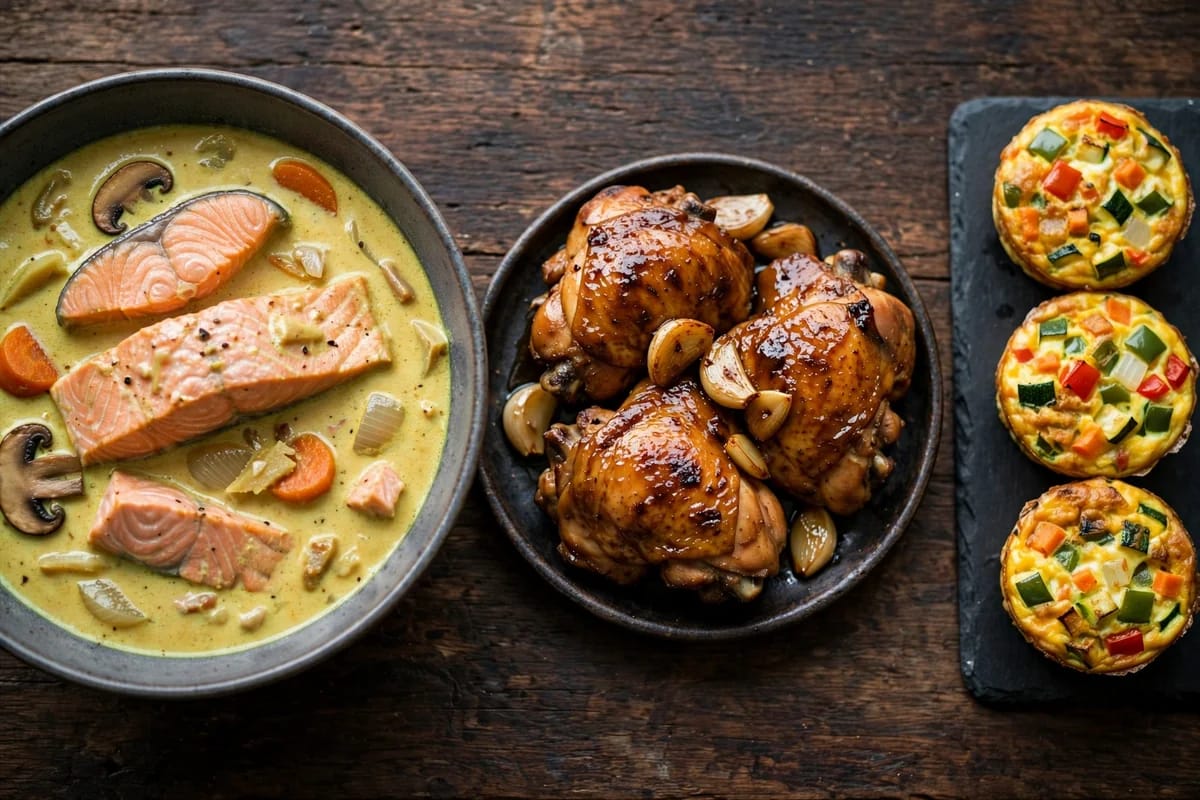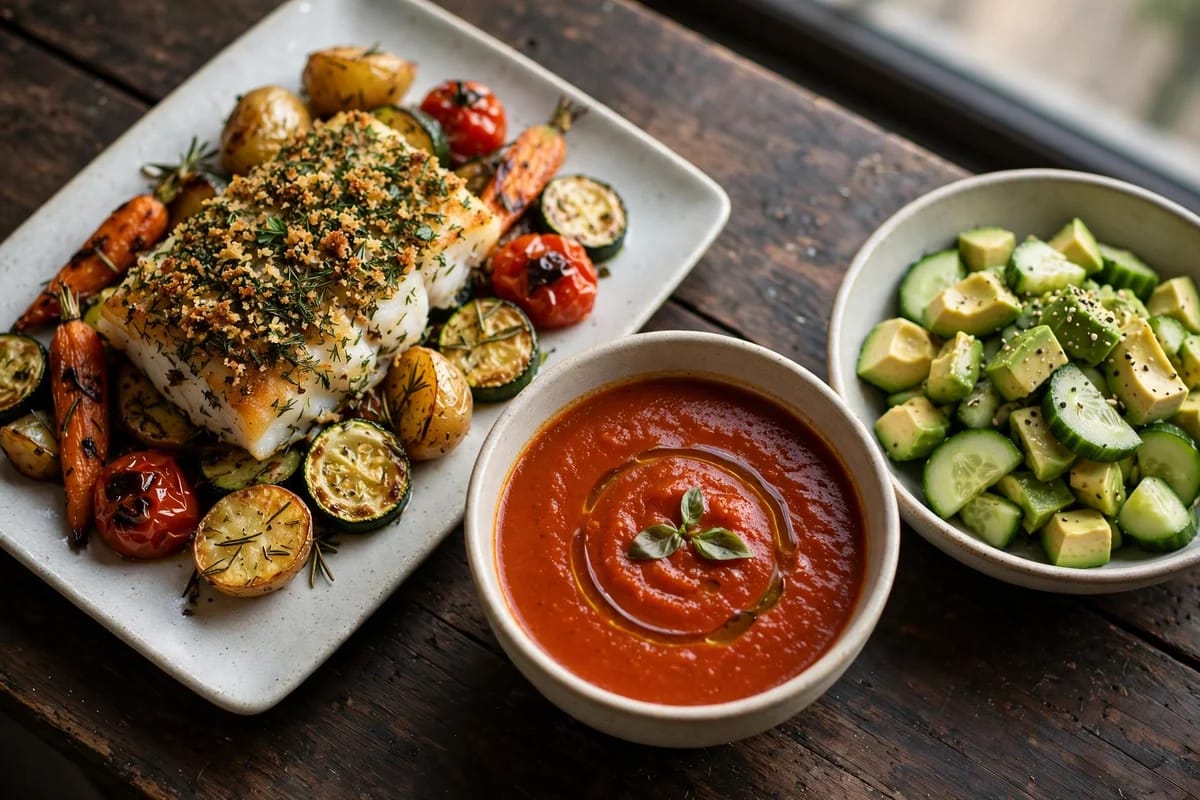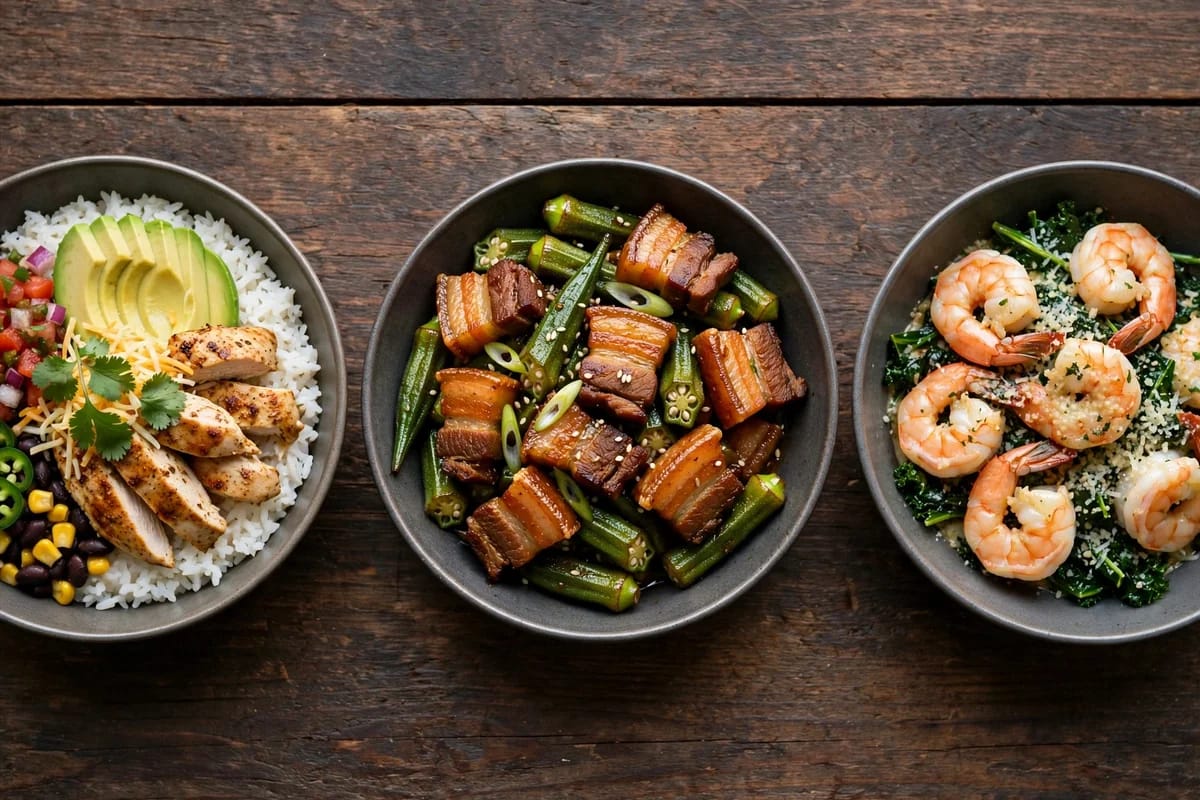
The first days after the last antibiotic pill can feel upside down. The infection is gone, the appetite has not come back, and the gut is loud in a way that makes a normal dinner feel like a gamble.
This 7 day gut health meal plan after antibiotics is built for that stretch, starting with warm, soft food and adding fiber back in steps instead of all at once. Fermented foods arrive in small amounts, protein stays steady, and every day carries four eating moments so you are never deciding what to eat while feeling rough.
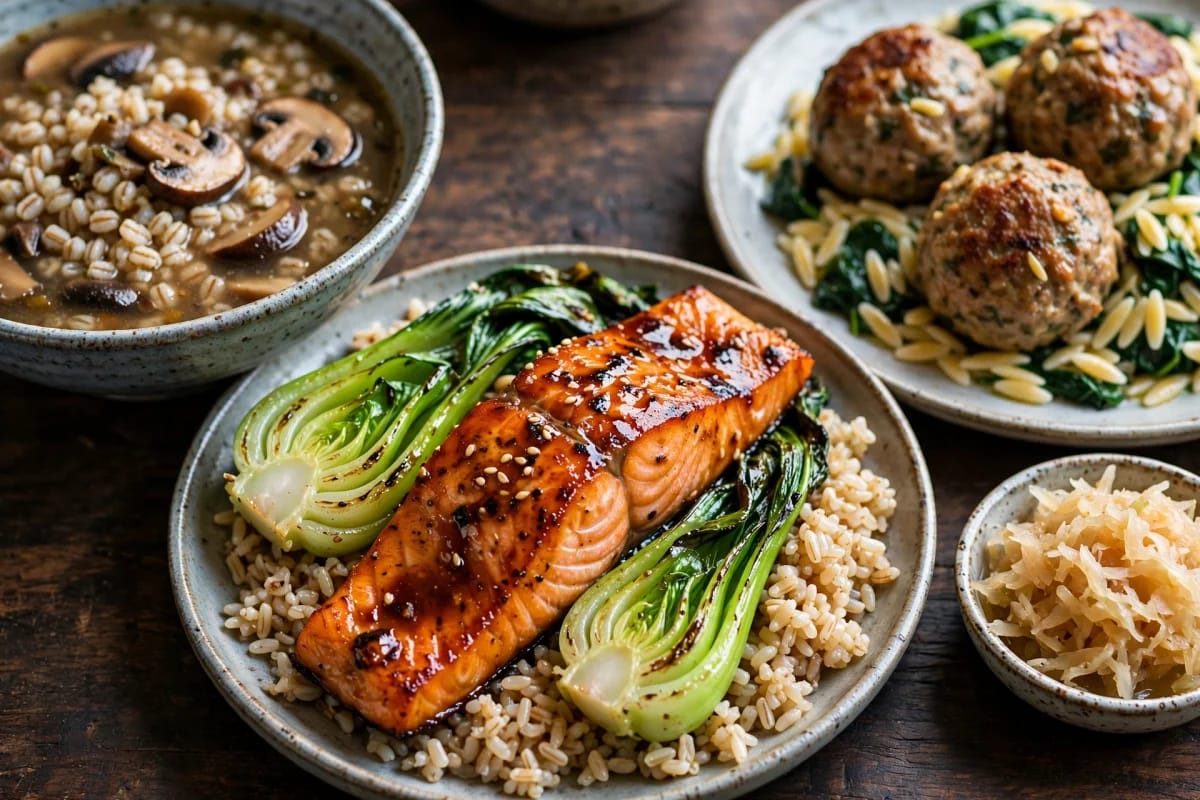
Day one keeps things simple with steamed cod and mash. By midweek there is kimchi fried rice and turkey meatballs over orzo, then a turmeric chicken soup and a barley mushroom soup that taste like recovery food without being bland. The last day brings rice, charred corn, and lime chicken, which reads like a normal dinner again.
It suits anyone finishing a course of antibiotics for a chest, ear, skin, dental, or urinary infection and dealing with loose stools, cramping, bloating, or a appetite that vanished. It also suits the person cooking for them, since nothing here needs a second menu or a special shopping trip.
Antibiotics do not only hit the infection, and a week of gentle food gives the gut a chance to settle while you keep eating properly. The structure matters more than any single ingredient, because small steady meals are easier on a sore system than one ambitious dinner.
This week is food support, not treatment. If diarrhea lasts more than a few days, comes with blood, fever, or strong pain, or you cannot keep fluids down, call your doctor rather than pushing through the plan.
Why This Gut Health Meal Plan After Antibiotics Helps
Five things make this week easier than improvising, and each one answers a real problem people run into after a course of antibiotics. The reasons below explain what each part actually does, so you can carry the habits past the seven days and into ordinary cooking at home.
- Gentle on a Sensitive Gut: Cooked vegetables, soft grains, soups, and poached or steamed protein ask less of a gut that is still irritated. Nothing arrives ice cold, fried, or heavily spiced in the first days, which is when cramping tends to be worst.
- Fiber Reintroduced Slowly: A sudden bowl of raw salad can turn a recovering gut loud again, so the week starts lower in fiber and builds through lentils, barley, and beans. By the end you are eating real diversity again without a single jump.
- Fermented Foods in Small Doses: Yogurt, kefir, sauerkraut, miso, and kimchi carry live cultures, and small regular servings suit most people better than one large portion. The week spreads them out, which also makes it easy to notice what agrees with you.
- Protein and Fluids for Recovery: Eggs, fish, chicken, yogurt, and legumes keep protein steady while you rebuild, and soups and broths carry fluid and salt. That combination supports the everyday repair work your body is already doing.
- Structure That Removes Guesswork: Four small eating moments a day, planned ahead, beat grazing on whatever is in reach. The NIDDK guidance on diarrhea makes the same point about steady fluids and simple food while the gut settles.
Key Principles of Gentle Eating After Antibiotics
These five habits shape the week, and they matter far more than any specific dish because you will reuse them long after the week ends. Each one is about pacing rather than restriction, which is exactly why none of them feels like a rule you have to police.
- Start Soft and Warm: Porridge, soups, mash, steamed fish, and soft rice are easier to handle than raw or fried food in the first days. Warmth and moisture do a lot of the work, and neither costs you flavor.
- Add Fiber Back in Steps: Begin with peeled cooked vegetables and white rice, then move to lentils, barley, and beans across the week. If a day feels heavy, hold at the previous step rather than pushing forward.
- Keep Fermented Foods Small: A spoon of sauerkraut, half a cup of kefir, or a small bowl of miso soup is enough at first. Increasing gradually lets you notice tolerance instead of guessing.
- Sip Before You Eat: Fluids often get forgotten when appetite is low, so water, broth, and herbal tea sit between meals. Drinking with meals is fine, but keeping a glass nearby all day matters more.
- Track How You Feel: Note the day, the food, and the symptom in a few words, since patterns show up fast in a short week. Anyone with persistent symptoms should share that note with their doctor.
Your 7 Day Gut Health Meal Plan After Antibiotics
This 7 day gut health meal plan after antibiotics starts soft and builds toward real meals, with soups and steamed plates first, lentils and fermented foods in the middle, and a normal plate of chicken, rice, and corn at the end. Fiber and flavor both rise across the week, so nothing reads like a punishment menu.
Day 1
Breakfast:
- Banana Oat Porridge with Cinnamon: Rolled oats cooked soft with a mashed banana and a dust of cinnamon. It is warm, mild, and easy on a stomach that has not wanted much.
Lunch:
- Chicken Soup with Rice and Soft Carrots: Shredded chicken and rice simmered in a light broth with carrots cooked until tender. Sip the broth first, then eat the solids slowly.
Dinner:
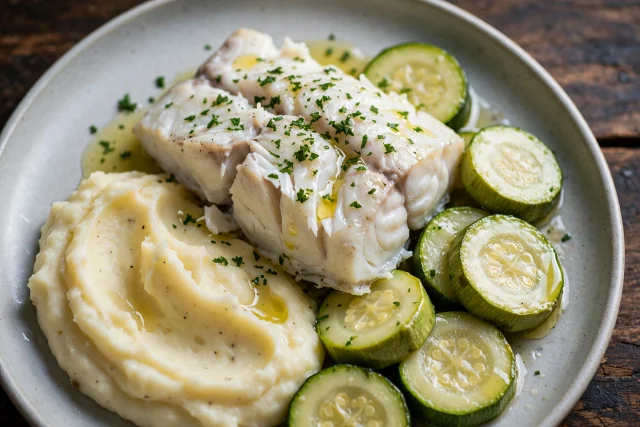
- Steamed Cod with Mashed Potato and Zucchini: Cod steamed until it just flakes, with buttery mash and soft zucchini rounds alongside. It is plain in the best way and takes twenty minutes.
Snacks:
- Chilled Kefir with a Spoon of Honey: A small glass of cold kefir with a little honey stirred in. Start with half a glass if fermented dairy feels new.
Day 2
Breakfast:
- Plain Yogurt with Ripe Banana: Full fat plain yogurt with sliced banana and a pinch of cinnamon. Mild, cool, and quick on a morning when cooking is too much.
Lunch:
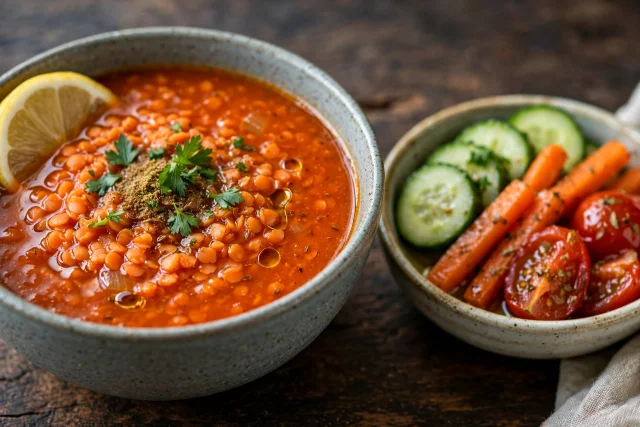
- Red Lentil Soup with Lemon and Cumin: Red lentils cooked down with carrot, cumin, and a squeeze of lemon at the end. The texture is smooth, so it sits easily.
Dinner:
- Teriyaki Salmon with Steamed Rice and Green Beans: Salmon glazed lightly and baked, with steamed rice and green beans that still have a little bite. Keep the glaze thin if strong flavors irritate your gut.
Snacks:
- Sourdough Toast with Olive Oil: One slice of toasted sourdough with good olive oil and a pinch of salt. Sourdough is often easier than soft sandwich bread, and the slice is small on purpose.
Day 3
Breakfast:
- Soft Scrambled Eggs with Steamed Rice: Eggs scrambled low and slow with a little butter, spooned over warm rice. It sounds plain and eats like comfort.
Lunch:
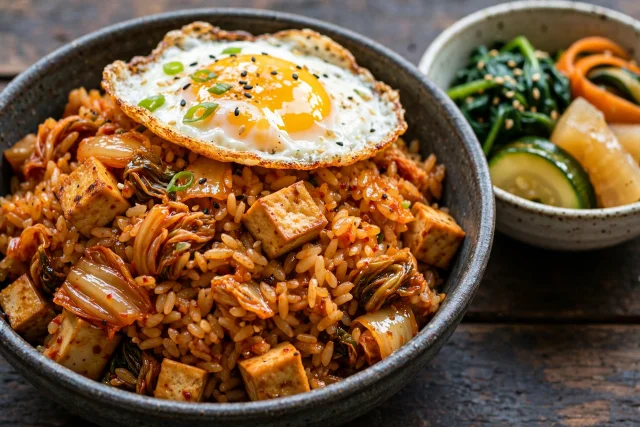
- Kimchi Fried Rice with Tofu and Egg: Day old rice fried with mild kimchi, tofu cubes, and a fried egg on top. Start with a small spoon of kimchi if fermented food is new to you.
Dinner:
- Braised Chicken with Potatoes and Carrots: Chicken thighs braised with potatoes, carrots, and a little stock until everything is tender. The sauce stays light and the vegetables cook soft.
Snacks:
- Kefir with Pear: A small glass of kefir with a ripe pear sliced alongside. The pair is gentle and keeps the afternoon from dragging.
Day 4
Breakfast:
- Greek Yogurt with Blueberries and Oats: Greek yogurt layered with blueberries and a spoon of soaked oats. Soaking the oats overnight makes them easier to digest.
Lunch:
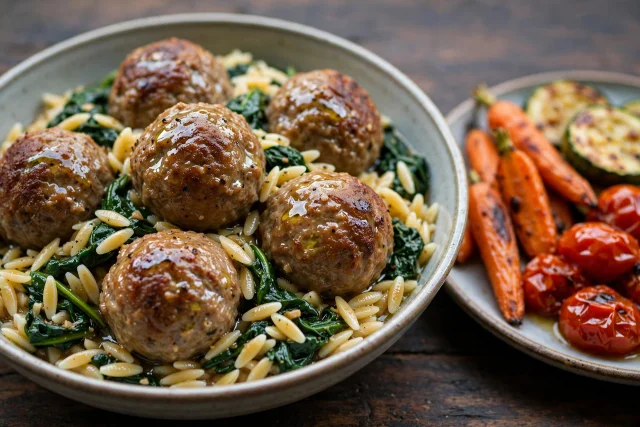
- Turkey Meatballs with Orzo and Spinach: Lean turkey meatballs simmered in a light tomato broth with orzo and wilted spinach. It is the first plate in the week that feels like a full meal.
Dinner:
- White Bean and Zucchini Soup with Rosemary: White beans blended into a smooth soup with zucchini and rosemary. The fiber arrives gently because half the beans are pureed.
Snacks:
- Sauerkraut with Cucumber: Two spoonfuls of sauerkraut with cucumber rounds. Small and sour, it is the easiest way to test fermented vegetables.
Day 5
Breakfast:
- Soft Rice Flakes with Turmeric and Peas: Rice flakes cooked soft with turmeric, peas, and a little ghee. It is a gentle savory breakfast that takes eight minutes.
Lunch:
- Moong Dal with Basmati and Ghee: Yellow moong dal cooked until creamy with basmati rice and a spoon of ghee. Mild spices only, and the dal stays easy on the stomach.
Dinner:
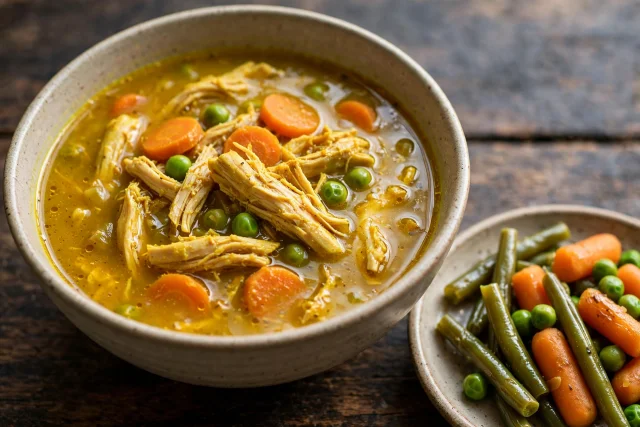
- Turmeric Chicken Soup with Ginger and Lemon: Shredded chicken simmered with turmeric, ginger, carrots, and peas in a light broth. The turmeric chicken soup recipe carries the same warm, golden flavor.
Snacks:
- Mango and Yogurt: Ripe mango cubed into plain yogurt. Sweet, cool, and a good way to get fermented dairy in without much effort.
Day 6
Breakfast:
- Overnight Oats with Kefir and Strawberries: Oats soaked overnight in kefir with strawberries folded in the morning. The soaking does half the digesting for you.
Lunch:
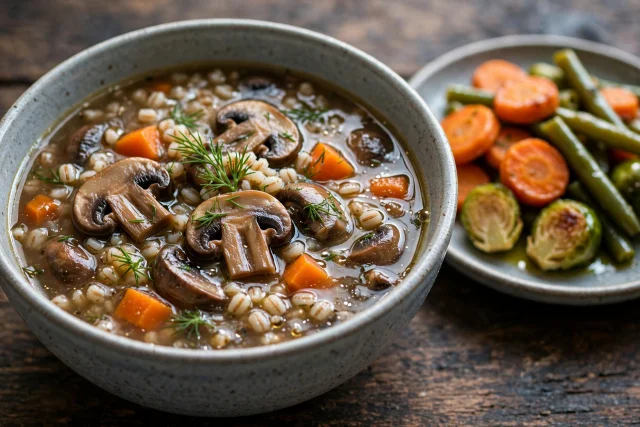
- Barley Mushroom Soup with Dill: Pearl barley simmered with mushrooms, carrot, and dill in a light stock. Barley brings chewy fiber, so chew well and keep the bowl moderate.
Dinner:
- Baked Chicken Thighs with Rice and Carrots: Chicken thighs baked with rice, carrots, and stock in one dish until the rice absorbs everything. The oven roasted chicken thighs follow a similar path with a brighter finish.
Snacks:
- Whole-Grain Crackers with Hummus: A few whole grain crackers with a spoon of hummus. Fiber and protein in a snack that needs no preparation.
Day 7
Breakfast:
- Egg and Avocado on Corn Tortilla: A warm corn tortilla with mashed avocado, a fried egg, and lime. It feels like a normal breakfast again, which is the point of the last day.
Lunch:
- Black Bean and Sweet Potato Bowl: Roasted sweet potato and warm black beans over rice with a spoon of yogurt. Fiber is back in full, so keep the portion honest if your gut is still settling.
Dinner:
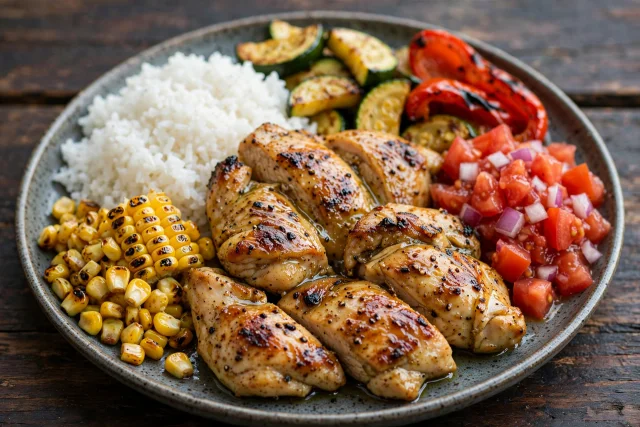
- Lime Chicken with Rice and Charred Corn: Chicken cutlets marinated in lime and garlic, seared, and served with rice, charred corn, and fresh tomato salsa. It is a bright, ordinary dinner that closes the week well.
Snacks:
- Crisp Rice Cakes with Almond Butter and Cinnamon: Rice cakes spread with almond butter and a dust of cinnamon. Crunchy, filling, and easy to keep in a desk drawer.
Probiotic Foods for Gut Health and What to Buy
This list covers every plate above in one shop, and it keeps the fermented foods in their own group so you can introduce them at your own pace. Buy small tubs of the live options first, since a little goes a long way in the first days and nothing spoils in the fridge.
Fruits
- Soft Fruits: Bananas, pears, ripe mango, strawberries, blueberries, lemons and limes (for porridge, yogurt, snacks, and dressings).
- Avocado: Two ripe avocados (for the last day breakfast).
Vegetables
- Gentle Cookers: Carrots, zucchini, potatoes, sweet potato, peas (for the soups, the braise, the mash, and the bowl).
- Greens: Spinach, cucumber, fresh dill, parsley, cilantro, rosemary, ginger, garlic (for the orzo, the soups, and the salsa).
- Corn and Cabbage: Corn kernels, one small cabbage or a bag of slaw (for the charred corn and the sauerkraut test).
Proteins
- Fish: Cod fillets, salmon fillets (for the steamed plate and the teriyaki tray).
- Poultry: Chicken thighs, chicken breast, ground turkey (for the soups, the braise, the bake, and the meatballs).
- Eggs and Tofu: A dozen eggs, one block of firm tofu (for the scramble, the fried rice, and the last day breakfast).
- Legumes: Red lentils, moong dal, white beans, black beans (for the soups and the final bowl).
Grains and Starches
- Soft Grains: Rolled oats, rice flakes, white and brown rice, orzo, pearl barley (for porridge, the bake, and the soups).
- Bread and Tortillas: Sourdough loaf, whole grain crackers, rice cakes, corn tortillas (for snacks and the last day breakfast).
Fermented Foods and Dairy
- Live Yogurt: Plain kefir, plain full fat yogurt, Greek yogurt (for breakfasts, snacks, and the bowl).
- Fermented Vegetables: Mild kimchi, sauerkraut, white miso paste (for the fried rice, the snack, and the soup).
Pantry and Flavorings
- Cooking Basics: Olive oil, ghee, butter, light stock or broth, tinned tomatoes (for the soups, the braise, and the bake).
- Spices and Condiments: Turmeric, cumin, cinnamon, ginger, garlic, tamari, honey, hummus, almond butter (for gentle flavor across the week).
Easy Food Swaps for This Gut Health Meal Plan
Five swaps handle the moments when a meal does not sit right or the shop runs out of something, and each one keeps the day gentle. Read the situation that matches yours, change that single part, and leave the rest of the plate exactly as it is.
- When a Bowl Feels Too Heavy: Halve the beans or barley and add more broth or rice, so the fiber load drops without losing the meal. You can build back up over the next day or two.
- When Fermented Food Is New: Start with two spoons of yogurt or a small glass of kefir and skip the kimchi until you know how you feel. Tolerance builds faster with small repeats than with one big serving.
- When You Cannot Face Cooking: Keep a carton of soup and a pouch of microwave rice on hand, then add a soft boiled egg. It still lands as a balanced plate on a bad evening.
- When Constipation Follows the Loose Days: Add a pear, a spoon of ground flax, and a little more water rather than a fiber supplement. Food first, and give it a full day to work.
- When You Are Back at Work: Pack the soup in a flask and the rice separately, so nothing turns soggy by lunch. A small cool bag makes the yogurt and kefir easy to carry.
Getting Started With This 7 Day Gut Health Meal Plan
Shop the list once and cook two pots on the first evening, one chicken broth and one red lentil soup, then portion them into containers for the early days. Keep the fermented foods sealed and small, and introduce one new one every other day rather than at every meal.
Write a line each evening about how the day felt, since a short note spots which food helped. If symptoms are still strong after the week, this NCCIH guide to probiotics explains what supplements can and cannot do, and your doctor can advise on the next step.
Keep exploring with our calm low FODMAP week and gentle meals for Crohn's disease, plus an anti-inflammatory week of eating, a plant based plan for beginners and two Mediterranean DASH weeks, alongside a gentle IBS starter plan and a simple plan for a healthy gut microbiome.
This article is for information only and is not medical advice. Read our full disclaimer.