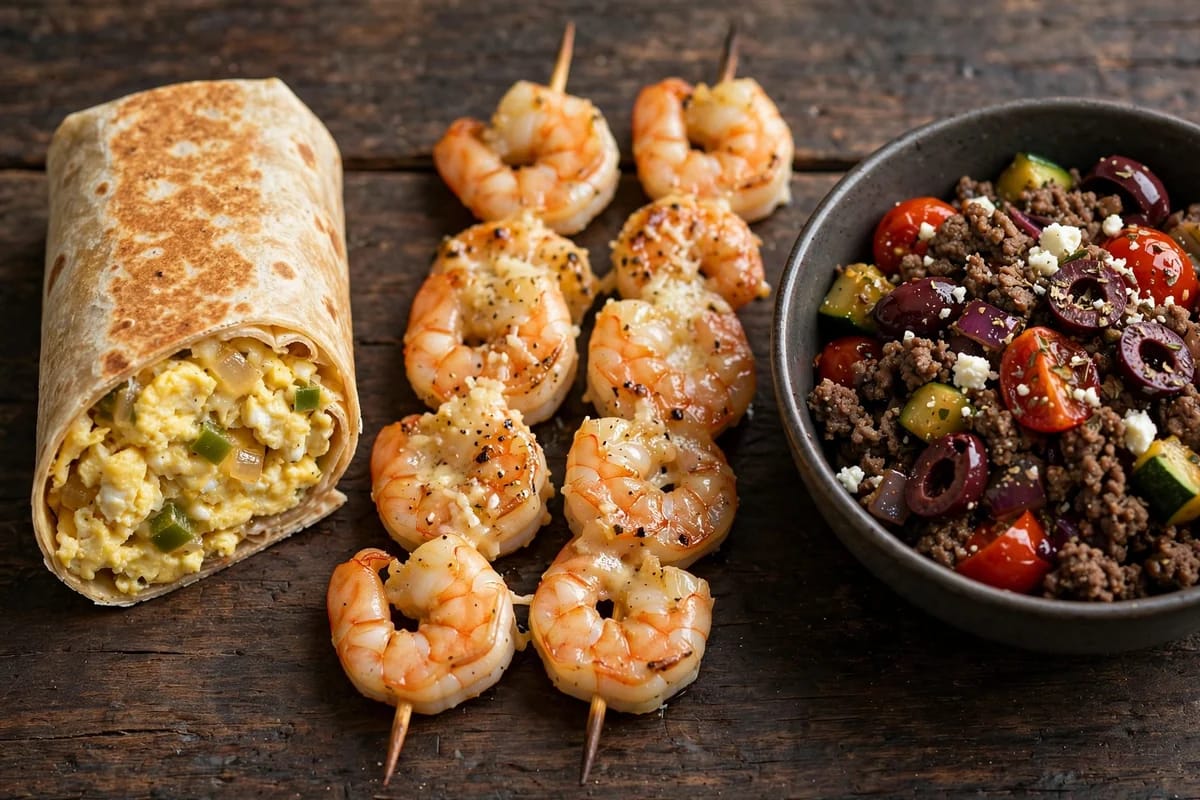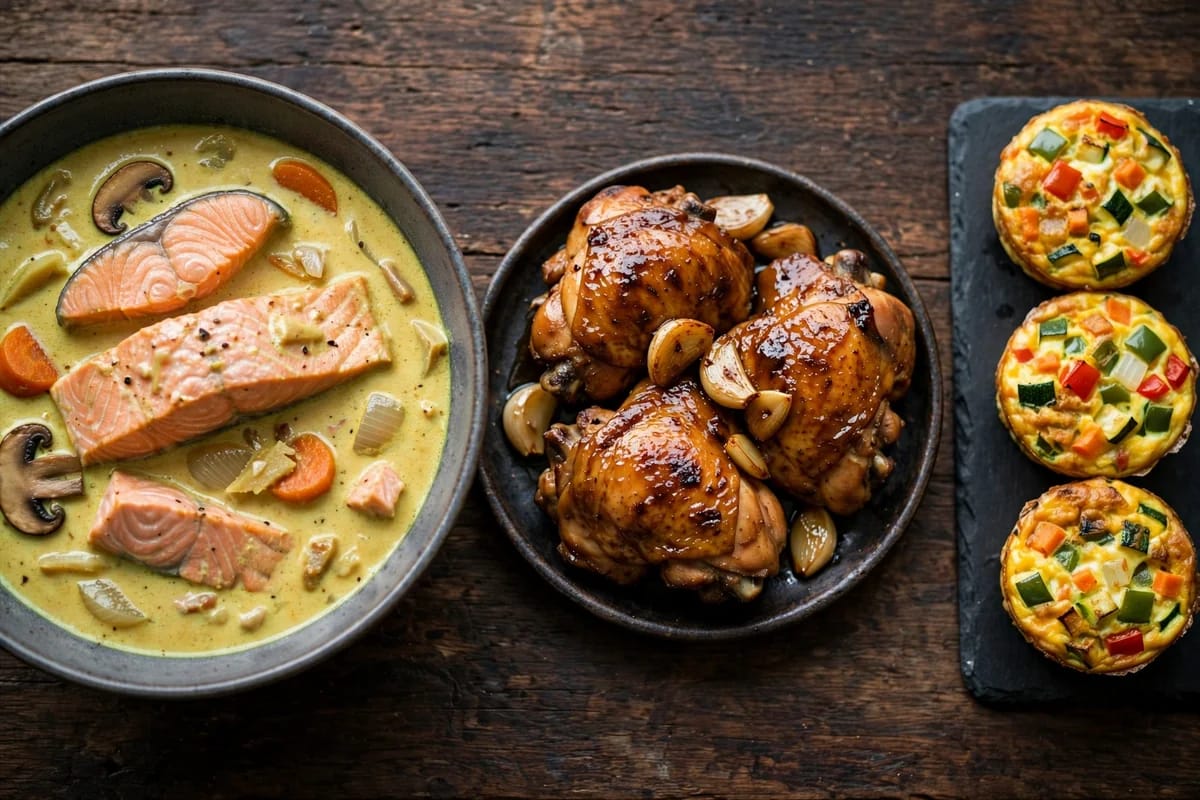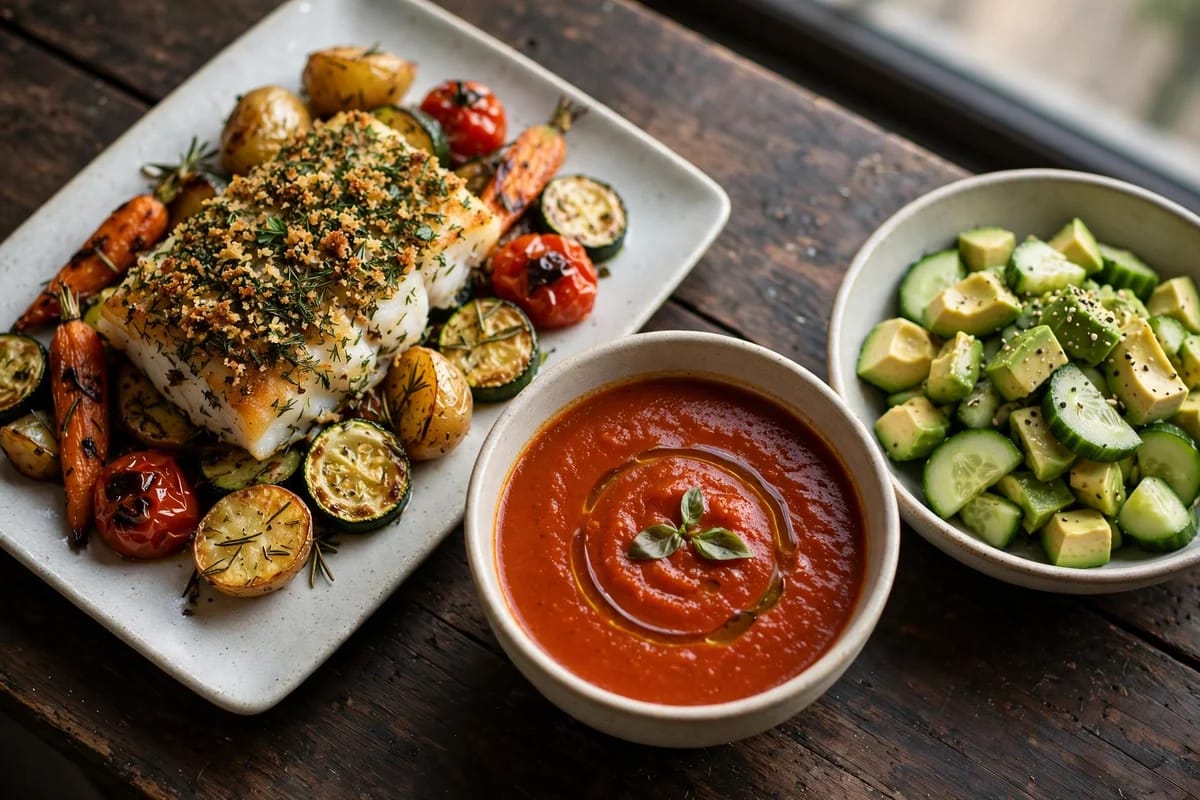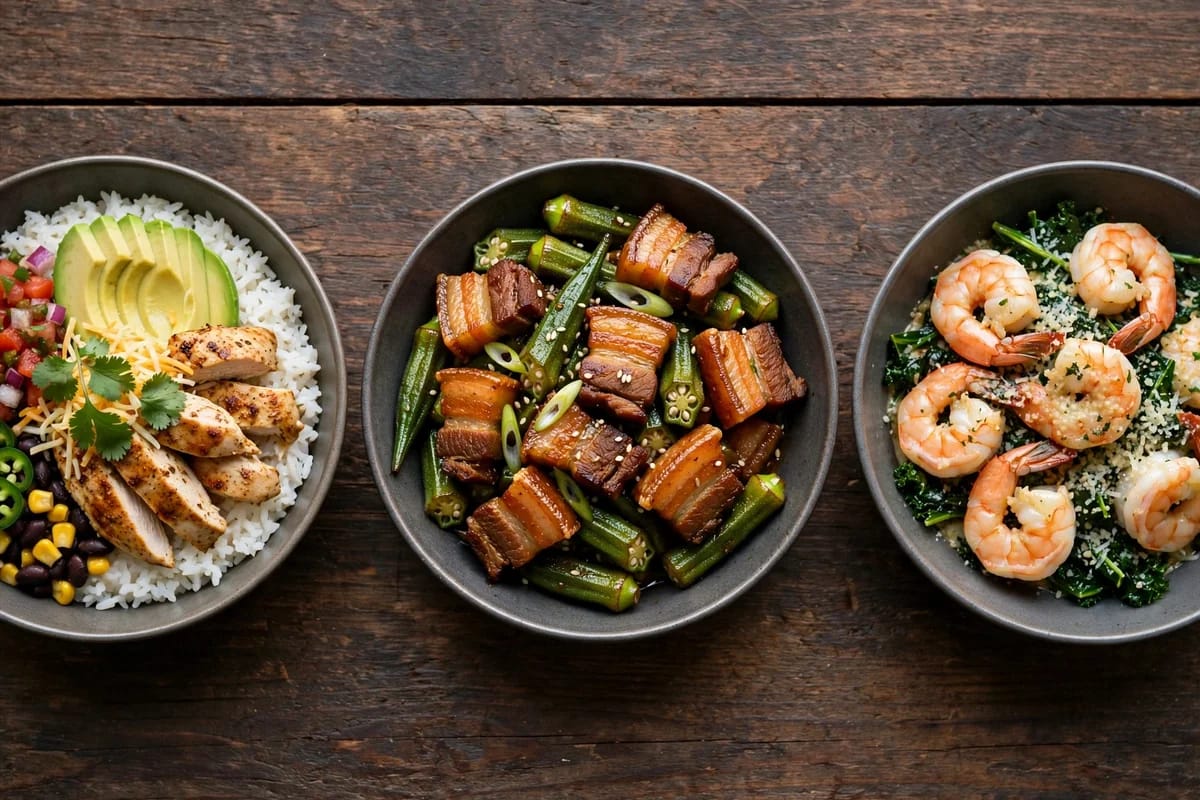
A gut that gurgles after every meal is not usually asking for a cleanse. It is usually asking for variety, for fiber from more than one plant, and for a little more time at the table.
This 7 day gut microbiome meal plan for better digestion spreads thirty different plants across the week, so breakfast, lunch, dinner, and snacks each add something new to the mix. Fermented foods appear in small daily doses, fiber arrives from grains and legumes as well as vegetables, and the cooking stays simple enough to repeat.
The week travels widely. Lentils and beets open it, a farro bowl with squash and tahini follows, then miso oats, mackerel with brown rice, a Mexican chili, rajma, a Nordic roast chicken, and a West African peanut stew close it out. Nothing is repeated twice, and every day carries four eating moments.
It suits people who feel bloated, irregular, or generally uncomfortable after meals and want a structured way to widen their diet without guessing. It also suits anyone who has finished a course of treatment and wants to rebuild variety slowly, or who simply eats the same seven meals on rotation.
Digestion is a whole system, and this week supports it from several directions at once by feeding the bacteria that break down fiber, keeping fluids steady, and giving meals a predictable rhythm. The plan does not promise a flat stomach, because a microbiome shift takes weeks, and comfort is the better measure to watch.
If you have a diagnosed condition such as irritable bowel syndrome, inflammatory bowel disease, or a history of obstruction, run the week past your doctor or dietitian first. The food is ordinary, but portions and fiber loads still need to match your situation.
Why This Gut Microbiome Meal Plan for Better Digestion Works
Four habits explain most of the benefit here, and each one shows up on the plate in a slightly different way. The reasons below say what the food is actually doing, so the pattern is easy to keep once the seven days are over and ordinary cooking returns.
- Plant Variety Feeds Diversity: Different plants carry different fibers, and a wider mix supports a wider range of bacteria than the same salad every day. Thirty plants across a week is a target rather than a rule, and this grid reaches it without a single unusual ingredient.
- Fiber From Several Sources: Legumes, whole grains, nuts, seeds, vegetables, and fruit each bring a different fiber shape, and together they support both regularity and fermentation. Spreading them across four eating moments keeps any single meal from carrying too much at once.
- Fermented Food in Small Daily Amounts: Kefir, yogurt, miso, sauerkraut, and kimchi arrive in modest portions rather than one large serving. Small and regular is easier on a sensitive gut and easier to judge, since you notice how each one sits.
- Steady Rhythm and Fluids: Regular meals and enough water keep the whole system moving, and fiber without fluid can make bloating worse. The week pairs every fiber heavy plate with soup, fruit, or a drink, which is the part most people skip.
Key Principles of Eating for a Healthy Gut Microbiome
These four principles are the working rules behind the grid, and they are deliberately plain so they survive a busy week at home with real shopping and real leftovers. None of them requires a supplement, a powder, a tracker, or a new kitchen appliance you have to buy first.
- Count Plants, Not Calories: Every distinct vegetable, fruit, grain, legume, nut, seed, and herb counts toward the weekly total. A carrot at lunch and a carrot at dinner count once, which pushes you toward variety rather than volume.
- Mix Cooked and Raw: Raw vegetables carry fiber and water, while cooked ones are easier on a sensitive gut, so the week uses both. If bloating flares, shift toward cooked for a few days and keep the variety.
- Feed the Fermenters Slowly: Beans, lentils, oats, barley, and onions feed the bacteria that produce short chain fatty acids, and they work best introduced in steady small amounts. Build up rather than loading a single meal, and read the Harvard guide to fiber if you want the mechanism.
- Keep the Rhythm Regular: Meals at roughly the same times each day give the gut a predictable pattern, and hydration supports the fiber you eat. Skipping meals and then eating a large late dinner is the pattern that most often produces bloating.
Your 7 Day Gut Microbiome Meal Plan for Better Digestion
This 7 day gut microbiome meal plan for better digestion opens with lentils and beets, builds through farro, oats, and mackerel, then closes with a lamb stew, a Nordic roast, and a peanut stew from West Africa. Every day adds new plants, and the four eating moments keep the fiber spread out instead of landing in one big dinner.
Day 1
Breakfast:
- Kefir and Berry Smoothie Bowl: Kefir blended thick with frozen berries and a spoon of oats, topped with seeds. Cold, tangy, and a gentle way to start the day with live cultures.
Lunch:
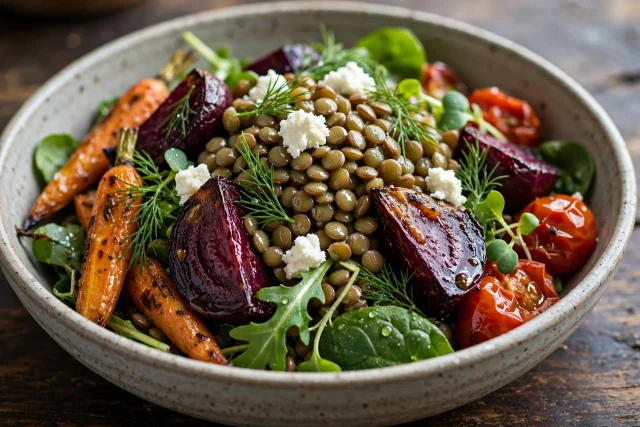
- Warm Lentil and Roasted Beet Salad with Feta: Green lentils tossed with roasted beets, carrots, feta, dill, and a lemon dressing. It eats like a proper lunch and keeps for two days in the fridge.
Dinner:
- Roasted Salmon with Pearl Barley and Asparagus: Salmon roasted until it flakes, with chewy barley and asparagus spears alongside. The barley brings a different fiber than rice, which is the whole point of the week.
Snacks:
- Honeycrisp Apple with Salted Almond Butter: A crisp apple cut into wedges with a spoon of salted almond butter. Sweet, salty, and slow enough to hold until dinner.
Day 2
Breakfast:
- Hummus and Veggie Breakfast Plate with Whole-Grain Pita: Hummus spread on a plate with cucumber, tomato, olives, and warm whole grain pita. It is a savory breakfast that takes five minutes and no cooking.
Lunch:
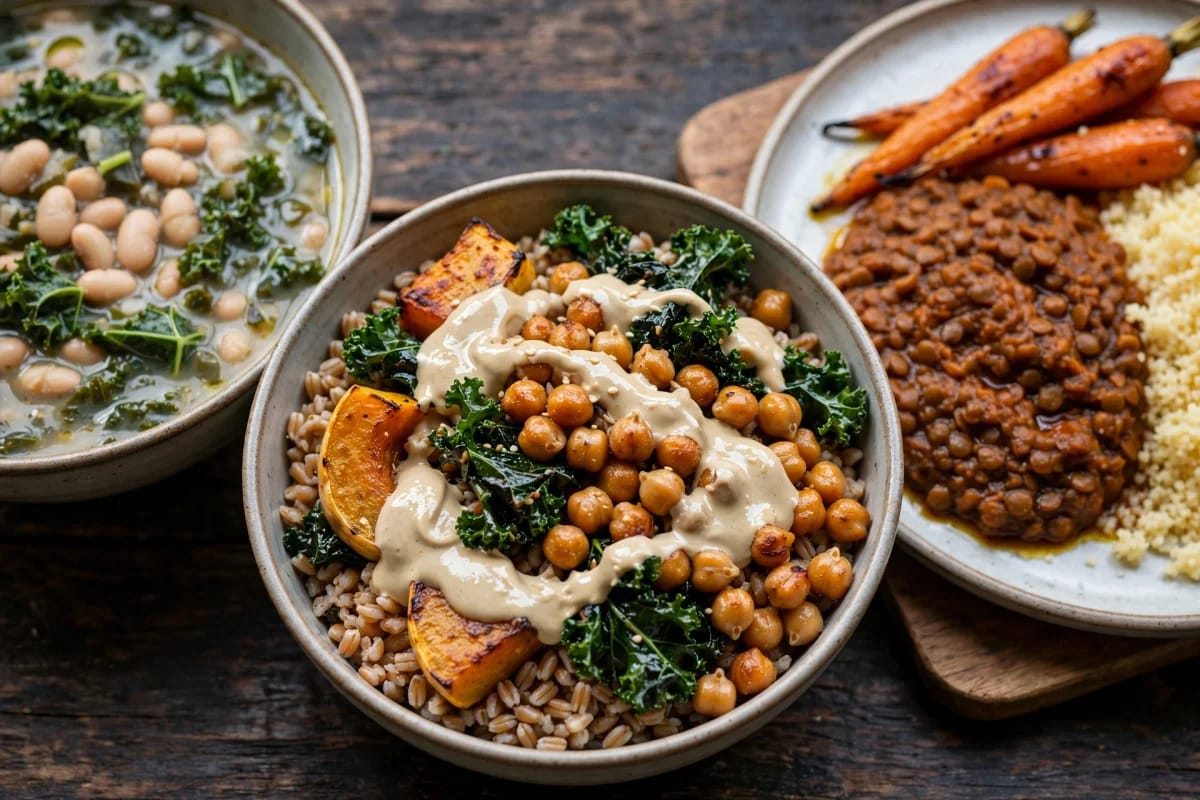
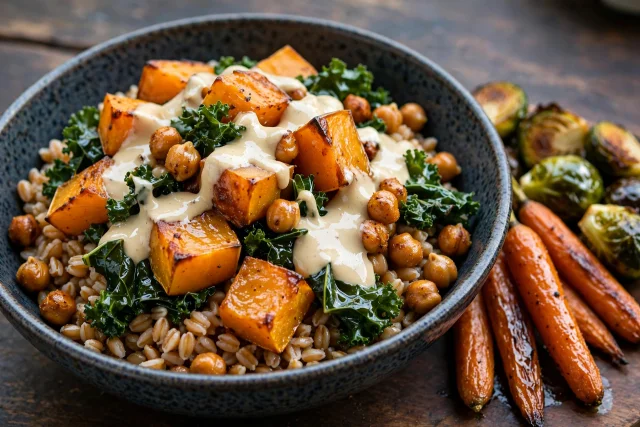
- Farro Bowl with Roasted Squash, Chickpeas and Kale: Chewy farro under roasted squash, crispy chickpeas, and wilted kale with tahini spooned over. Pack the dressing separately if you are carrying it to work.
Dinner:
- Lamb and Chickpea Stew with Kale: Lamb shoulder simmered slowly with chickpeas, tomato, and kale until everything is tender. The stew tastes better the next day, so cook a little extra.
Snacks:
- Roasted Seaweed and Walnuts: A packet of roasted seaweed with a small handful of walnuts. Salty and crunchy, it adds two more plants to the count.
Day 3
Breakfast:
- Miso Oatmeal with Scallions and Egg: Oats cooked plain, then stirred with white miso, scallions, and a soft egg on top. Savory porridge sounds odd until you try it, and then it becomes a habit.
Lunch:
- Soba Noodle Salad with Edamame and Toasted Sesame: Cold soba tossed with edamame, shredded cabbage, carrot, and a sesame dressing. It is the lunch that survives a warm afternoon.
Dinner:
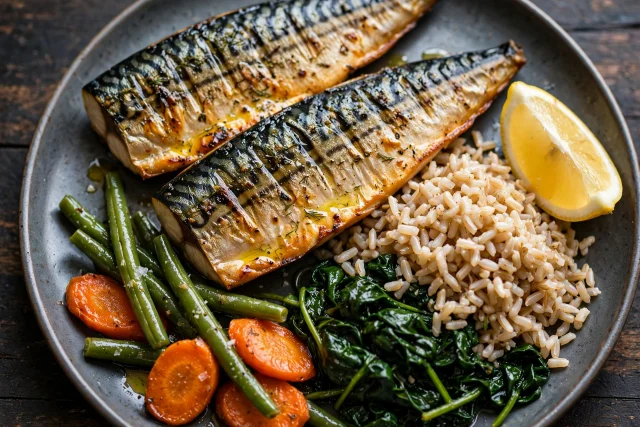
- Grilled Mackerel with Brown Rice and Spinach: Mackerel grilled until the skin crisps, with brown rice, wilted spinach, and lemon. Oily fish twice a week is an easy win for both the gut and the heart.
Snacks:
- Smoky Paprika Crisped Chickpeas: Chickpeas roasted until they rattle in the tin, tossed with smoked paprika and salt. The spicy roasted chickpeas follow the same idea with a little more heat.
Day 4
Breakfast:
- Black Bean Breakfast Bowl with Avocado and Lime Crema: Warm black beans over rice with avocado, salsa, and a lime crema made from yogurt. It is filling without being heavy, which matters on a working morning.
Lunch:
- Charred Corn and Chicken Salad with Cotija: Charred corn, shredded chicken, tomato, and romaine with lime, olive oil, and crumbled cotija. The corn adds resistant starch once it cools, which feeds a different set of bacteria.
Dinner:
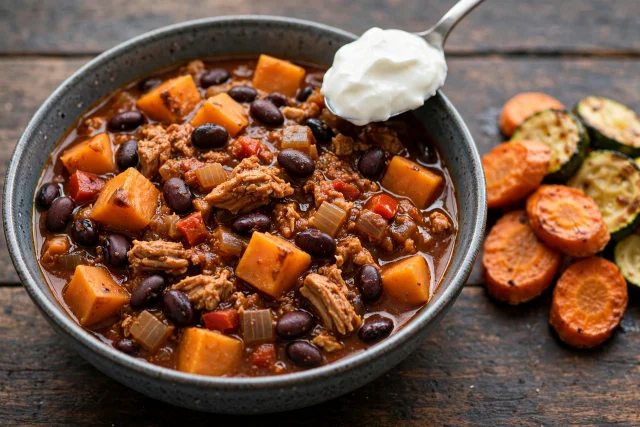
- Turkey and Sweet Potato Chili with Black Beans: Ground turkey simmered with sweet potato, black beans, tomato, and mild chili, finished with yogurt. It freezes well, so double the pot if you have room.
Snacks:
- Chilled Watermelon with Lime and Mint: Cold watermelon cubes with lime and torn mint. Mostly water, which is exactly what a fiber heavy day needs alongside it.
Day 5
Breakfast:
- Savory Masala Oats with Peas and Mustard Seeds: Oats simmered with turmeric, peas, and mustard seeds, finished with cilantro. A warm savory breakfast that keeps the morning steady.
Lunch:
- Rajma with Brown Rice and Cucumber Raita: Kidney beans cooked in a ginger tomato gravy with brown rice and cool cucumber raita. Beans and rice together make a complete protein and a serious fiber hit.
Dinner:
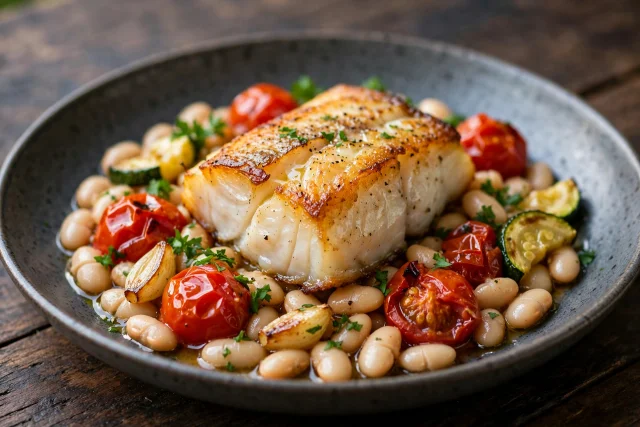
- Pan-Seared Cod with White Beans and Blistered Tomatoes: Cod seared in olive oil with white beans, cherry tomatoes, and zucchini until the tomatoes burst. It is a twenty minute dinner with real depth.
Snacks:
- Buttermilk with Cumin: Cold buttermilk with roasted cumin and a pinch of salt. It is a traditional digestif for a reason, and it counts as a fermented food.
Day 6
Breakfast:
- Rye Bread with Cottage Cheese, Radish and Dill: Dense rye bread with cottage cheese, sliced radish, dill, and black pepper. Crunchy, creamy, and ready in four minutes.
Lunch:
- Beet and Sauerkraut Salad with Walnuts: Roasted beets with sauerkraut, walnuts, and a little olive oil. The sauerkraut brings live cultures and the beets bring fiber, so one bowl does two jobs.
Dinner:
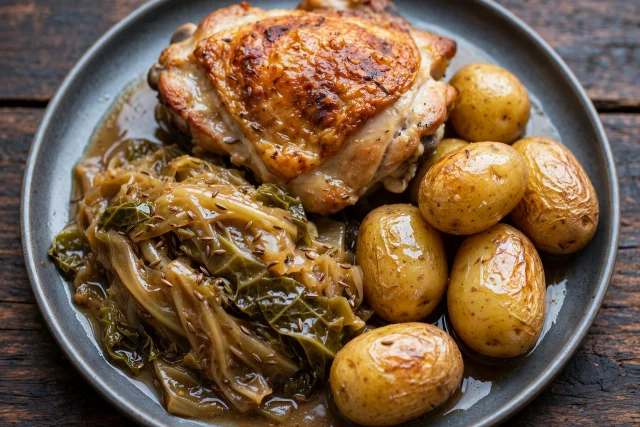
- Roast Chicken with Caraway Cabbage and Potatoes: Chicken roasted over caraway braised cabbage and new potatoes, with the pan juices spooned over. Cabbage is the quiet hero of the week, and caraway makes it gentler.
Snacks:
- Skyr with Raspberries and Oats: Thick skyr with raspberries and a spoon of oats. High protein, cold, and quick after a long day.

Day 7
Breakfast:
- Millet Porridge with Peanut and Banana: Millet cooked soft with peanut butter and sliced banana on top. It is a warm, nutty breakfast that adds a grain most kitchens forget.
Lunch:
- Berbere Lentil Bowl with Collards: Red lentils cooked with berbere and served over rice with braised collards. Spiced, filling, and full of plants that rarely share a plate.
Dinner:
- Peanut Stew with Chicken and Sweet Potato: Chicken simmered in a peanut and tomato stew with sweet potato and greens, served over rice. It is the most surprising dinner of the week and often the favorite.
Snacks:
- Two Medjool Dates with Walnuts: Two dates split open with walnut halves pressed in. It tastes like dessert and brings fiber along with the sweetness.
Fiber Foods for Better Digestion and What to Buy
Everything below covers the twenty eight plates above in one shop, grouped so the plants are easy to count and the fermented foods stay obvious. Buy the fresh items in two trips if that suits your week, and keep the pantry shelf stocked once.
Fruits
- Fresh Fruit: Raspberries, blueberries, bananas, apples, watermelon, lemons and limes (for the bowls, the porridge, and the snacks).
- Dried Fruit: Medjool dates (for the last day snack).
Vegetables
- Leafy Greens: Kale, spinach, collards, romaine, fresh dill, mint, parsley, cilantro, scallions (for the bowls, the stew, and the salads).
- Cruciferous: Cabbage, Brussels sprouts, radishes, sauerkraut (for the slaw, the roast, and the fermented salad).
- Root Veggies: Beets, carrots, sweet potato, potatoes, radish (for the lentil salad, the chili, the roast, and the rye plate).
- Others: Squash, zucchini, cucumber, tomatoes, corn, peas, avocado, garlic, ginger (for the farro bowl, the cod, the salad, and the stew).
Proteins
- Fish: Salmon fillets, mackerel fillets, cod fillets (for three dinners across the week).
- Meat and Poultry: Lamb shoulder, chicken thighs, ground turkey, whole chicken (for the stew, the chili, and the roast).
- Legumes: Green lentils, red lentils, chickpeas, black beans, kidney beans, white beans, edamame (for the salads, the bowls, the chili, and the rajma).
- Eggs and Dairy Protein: Eggs, Greek yogurt, cottage cheese, skyr, feta, cotija (for breakfasts, toppings, and the raita).
Whole Grains
- Intact Grains: Farro, pearl barley, brown rice, oats, millet, soba noodles (for the bowls, the porridge, and the dinner plates).
- Breads: Whole grain pita, dense rye bread (for the breakfast plate and the rye toast).
Nuts, Seeds, and Fats
- Nuts: Walnuts, almonds (for the salads and the snacks).
- Seeds: Sesame seeds, pumpkin seeds, ground flax (for the dressing, the smoothie bowl, and the yogurt).
- Butters and Oils: Almond butter, peanut butter, tahini, olive oil, sesame oil (for the snacks, the bowl, and the cooking).
Fermented Foods and Flavorings
- Live Cultures: Kefir, plain yogurt, buttermilk, white miso, mild kimchi, sauerkraut (for breakfasts, snacks, and the soups).
- Spices and Pantry: Smoked paprika, berbere, caraway, cumin, turmeric, mustard seeds, cinnamon, tinned tomatoes, rice, stock (for every dinner in the week).
How to Improve Digestion Naturally With Simple Swaps
Five swaps cover the realistic sticking points, from a bloated afternoon to a dinner that needs to arrive faster, and each one keeps the plant count moving. Read the situation that matches yours, change the single part, and leave the rest of the day alone.
- When Bloating Shows Up Midweek: Cook the vegetables instead of eating them raw, and halve the beans for two days before building back. Warm, soft vegetables are easier while the gut settles.
- When You Need Dinner in Fifteen Minutes: Use pouch rice, tinned beans, and a bag of frozen greens with olive oil and lemon, which still lands as a balanced plate. Add a fried egg if you want more protein.
- When You Are Traveling Or Eating Out: Choose a bean dish, a whole grain, and a vegetable side, then ask for dressing on the side. Restaurant plates can still add three plants if you order with that in mind.
- When You Want Something Sweet: Two dates with walnuts, or yogurt with berries and cinnamon, rather than a biscuit with coffee. Fruit and nuts keep the fiber moving while the sweetness lands.
- When You Cannot Find a Grain: Swap farro for barley, millet for quinoa, or soba for whole wheat noodles, since the variety matters more than the specific bag. Keep the same cooking time in mind and taste as you go.
Getting Started With This 7 Day Gut Microbiome Meal Plan
Start by counting what is already in your kitchen, because most people find they eat the same five plants on repeat. Then shop the list with variety in mind, cook one pot of beans and one pot of grains on the first evening, and portion them for the days ahead.
Keep a simple tally of new plants on the fridge door and aim for thirty across the week rather than hitting a number at every meal. A gentler version of the same approach sits in two Mediterranean DASH weeks, and the NIDDK overview of digestion explains why fiber and fluid work together.
Keep exploring with our calm low FODMAP week and three plant based Daniel Fast weeks, plus an easy plant based start, gentle meals for Crohn's disease and an anti-inflammatory week, alongside a longer low FODMAP run for IBS and easy fermented cabbage recipes.
This article is for information only and is not medical advice. Read our full disclaimer.