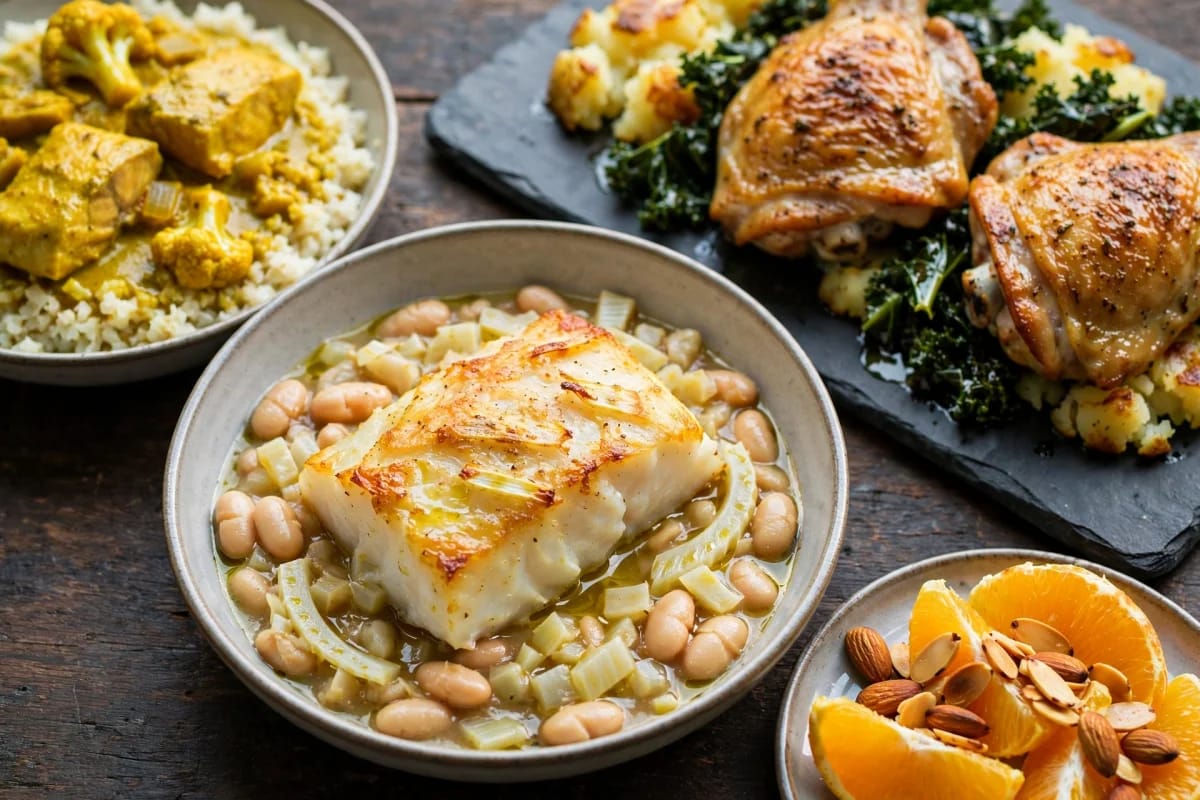
Blood pressure rarely changes because of one dinner. It moves when the everyday plate shifts, when the salty takeout thins out, the vegetables get a little more room, and the cooking settles into a rhythm you can keep past Sunday.
This 7 day heart healthy meal plan is built for exactly that shift. It leans on the eating pattern behind the DASH approach, with plenty of produce, beans, whole grains, fish, and olive oil, and it keeps sodium low without turning dinner into a chemistry project.
The week runs on familiar food. Cod bakes over white beans and fennel, chicken thighs roast with kale, trout wears a mustard crust, and a lentil bulgur salad carries lunch on the last day. Nothing here needs a specialty shop or a free afternoon.
It suits adults whose doctor flagged a rising number, anyone cooking for a parent with hypertension, and households that want one pot of dinner instead of a separate heart healthy plate. If you take blood pressure medicine, the food supports the treatment and never replaces it.
What changes is the seasoning. Lemon, garlic, smoked paprika, mustard, herbs, and good olive oil carry the flavor while the salt stays modest, so the food tastes bright rather than clinical. Most people stop missing the salt shaker by Wednesday.
By the end of the week you have seven breakfasts, lunches, dinners, and snacks mapped out, a grocery list that fits one cart, and a set of swaps for the nights when the day runs late. That is the whole promise, steady food that supports a steadier number.
Key Principles of a Heart Healthy Diet
Five habits carry this week, and each one answers a question people ask after a blood pressure reading. They cover sodium, potassium, fiber, fat, and portion size, because those five do more for the heart than any single superfood. None of them asks for a perfect week, only for a direction you can hold.
- Sodium with a Ceiling: Most adults are asked to stay under 2,300 milligrams a day, and the DASH pattern goes lower for people with high blood pressure. Cooking from scratch does most of the work, since the NHLBI DASH plan points at packaged food and restaurant meals long before it points at the salt shaker.
- Potassium on Every Plate: Beans, potatoes, spinach, bananas, and yogurt carry potassium, a mineral that helps the body balance sodium. Harvard Nutrition Source explains the balance plainly, and this week puts a potassium rich food at nearly every meal.
- Fiber From Whole Foods: Oats, barley, bulgur, lentils, and vegetables slow digestion and help with fullness. Fiber also supports cholesterol and blood sugar, which is why it earns a place at breakfast instead of waiting until dinner.
- Fat From Plants and Fish: Olive oil, nuts, seeds, avocado, and oily fish supply unsaturated fat in place of butter and processed meat. The swap keeps food satisfying without stacking saturated fat into every plate.
- Protein in Modest Portions: Chicken, fish, tofu, beans, and yogurt appear at every meal, though rarely as the biggest thing on the plate. A palm sized portion leaves room for vegetables and grains, and the plate feels lighter for it.
Your 7 Day Heart Healthy Meal Plan
The grid runs Monday to Sunday with four slots a day, and every day carries one figure above its heading. Portions are written for two adults, so halve them for one person or double the shopping for a family of four. If you want a gentler introduction to this style of eating, a balanced everyday week works as a warm up.
Day 1
Breakfast:
- Overnight Oats with Berries and Chia: Rolled oats soak overnight with milk, chia, and a handful of berries, then finish with cinnamon in the morning. The chia thickens the bowl without cream, and the berries add sweetness instead of sugar. Make it in a jar the night before and breakfast is ready before the coffee.
Lunch:
- Grilled Chicken and Farro Bowl: Chicken breast grills with oregano and lemon, then lands on warm farro with cucumber, tomato, and a spoon of yogurt. It eats like a grain bowl from a cafe and holds up in a lunch box for a few hours. Cook extra farro on Sunday and this bowl comes together in ten minutes.
Dinner:
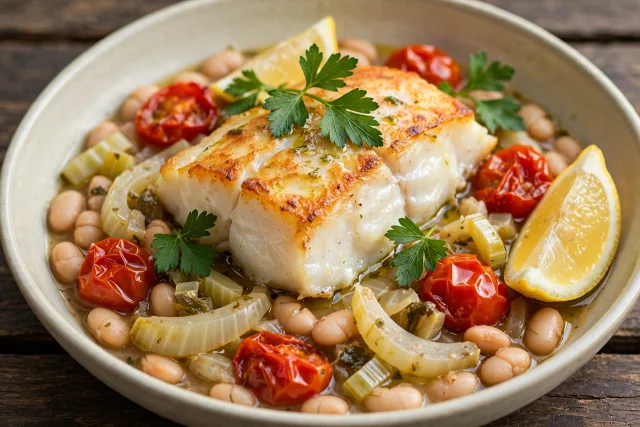
- Baked Cod with White Beans and Fennel: Cod bakes over white beans, fennel, and cherry tomatoes until the fish flakes and the beans turn creamy. A squeeze of lemon at the table lifts the whole dish, and the pan goes straight to the sink. Ask the fish counter for a thick center cut so the fillet stays moist.
Snacks:
- Orange and Almond Bowl: Orange segments, toasted almonds, and a spoon of yogurt make a two minute snack with potassium and a little protein. It is the bowl to reach for when the afternoon still has hours left in it. Keep the almonds unsalted and toast a batch once for the week.
Day 2
Breakfast:
- Spinach and Tomato Egg White Scramble: Egg whites cook softly with spinach and cherry tomatoes, then slide onto a slice of whole grain toast. It is a light breakfast that still carries enough protein to get you to lunch without a detour. A pinch of chili flakes is optional and wakes up the tomatoes.
Lunch:
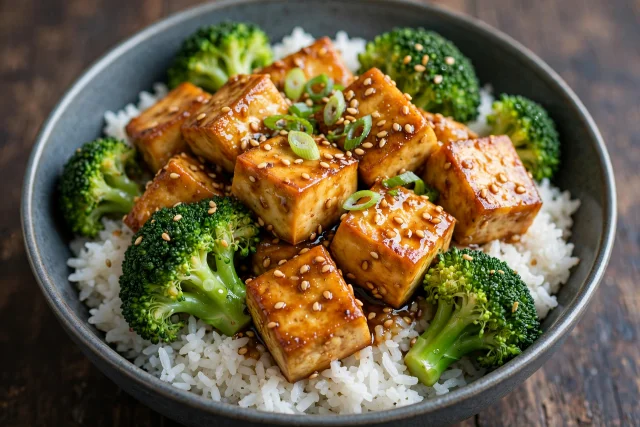
- Sesame Tofu and Broccoli Rice Bowl: Tofu sears until golden, broccoli steams until bright, and both meet rice under a sesame and ginger glaze. The bowl tastes rich without much salt, and any leftovers pack well for the next day. Press the tofu dry first so it browns instead of steaming.
Dinner:
- Lemon Herb Chicken with Asparagus: Chicken breasts roast with lemon, garlic, and thyme while asparagus cooks beside them on the same tray. One pan, one wash up, and a dinner that tastes like a Sunday roast on a Tuesday. It follows the same oven method as our lemon herb chicken, with asparagus added for the side.
Snacks:
- Crispy Chickpeas with Smoked Paprika: Chickpeas roast until they rattle in the bowl, then take a dusting of smoked paprika and a little olive oil. They replace chips at the desk and keep their crunch for a day. The method matches our roasted chickpeas, with smoked paprika in place of chili.
Day 3
Breakfast:
- Banana Walnut Buckwheat Pancakes: Buckwheat flour, mashed banana, and walnuts make a pancake with a nutty edge and no added sugar. Cook a double batch and freeze the extras for a weekday breakfast that reheats in the toaster. Serve them with yogurt and a little fruit instead of syrup.
Lunch:
- Turmeric Cauliflower and Chickpea Rice: Cauliflower and chickpeas roast with turmeric and cumin, then fold through warm brown rice with lemon and herbs. It is a bright meatless lunch that keeps well and costs very little. A spoon of yogurt on top adds creaminess without much salt.
Dinner:
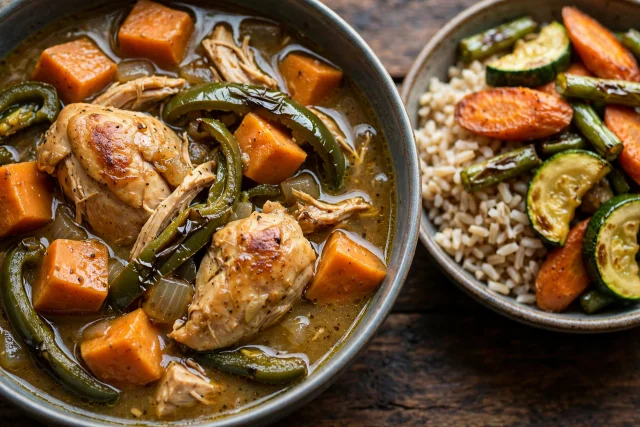
- Poblano Chicken Stew: Chicken thighs simmer with poblano peppers, sweet potato, and tomato until the broth turns thick and a little smoky. Serve it over rice and let the pot sit on the stove for anyone who comes home late. A squeeze of lime at the end keeps the smoky broth bright.
Snacks:
- Cottage Cheese with Tomato and Cracked Pepper: Cottage cheese, sliced tomato, and cracked pepper make a savory snack that takes a minute to put together. It brings protein and calcium without the sugar of a granola bar. A few basil leaves make it look like a starter from a restaurant.
Day 4
Breakfast:
- Greek Yogurt Bowl with Pomegranate and Pistachios: Thick yogurt, pomegranate seeds, and chopped pistachios build a breakfast with crunch and color. A drizzle of honey is enough sweetness, and the bowl looks better than the time it takes to make. Toast the pistachios for a minute to bring out their sweetness.
Lunch:
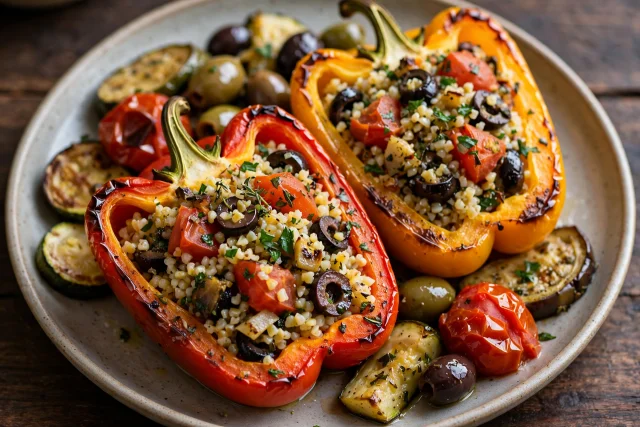
- Mediterranean Stuffed Peppers with Bulgur: Bell peppers fill with bulgur, tomato, olives, and herbs, then roast until the edges soften and the filling turns fragrant. A cucumber salad on the side makes it a full lunch, and the peppers reheat well the next day. Spoon any extra filling around the peppers so nothing goes to waste.
Dinner:
- Roasted Salmon with Citrus and Fennel: Salmon roasts with orange, lemon, and fennel until the fish is just opaque and the vegetables caramelize at the edges. The citrus does the seasoning work, so the fillet needs very little salt. It follows the same bake as our oven baked salmon, with citrus and fennel in place of the glaze.
Snacks:
- Pear Wedges with Cashew Butter: A ripe pear cut into wedges and a spoon of cashew butter make a snack that feels like dessert. The fat and fiber together keep hunger quiet until dinner. A pinch of cinnamon on top makes it feel finished.
Day 5
Breakfast:
- Avocado and White Bean Toast: White beans mash with lemon and olive oil, spread on toasted sourdough, and finish with avocado and chili flakes. It is a filling breakfast that costs less than a coffee shop sandwich. Mash the beans while the bread toasts so everything lands warm.
Lunch:
- Turkey and Vegetable Minestrone: Ground turkey, small pasta, and whatever vegetables are in the drawer simmer into a pot of soup that feeds lunch for two days. A parmesan rind in the pot adds depth without adding much salt. Freeze the second half in portions for a fast lunch later.
Dinner:
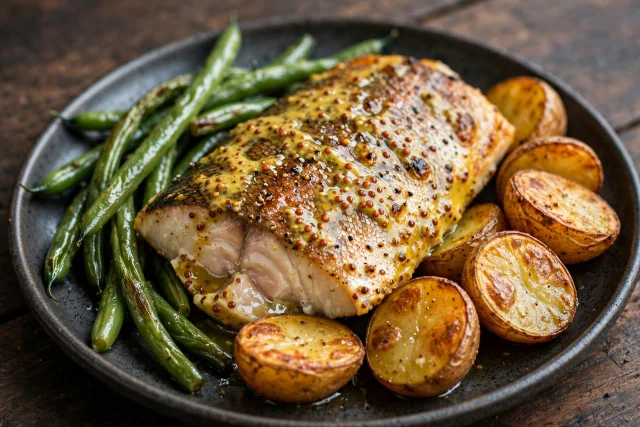
- Mustard Trout with Green Beans: Trout wears a mustard and herb crust and roasts beside green beans and small potatoes until everything is tender. The fish stays moist under the crust, and the plate looks like a bistro dinner. A spoon of yogurt on the plate cools the mustard edge.
Snacks:
- Cucumber and Hummus Plate: Cucumber spears, carrot sticks, and a scoop of hummus make a crunchy snack with enough protein to matter. Keep the hummus in a small bowl so the vegetables stay crisp. A squeeze of lemon over the top keeps everything fresh.
Day 6
Breakfast:
- Millet Porridge with Roasted Pears: Millet cooks into a soft porridge, then takes roasted pears, cinnamon, and a splash of milk. The pears can roast the night before, which makes the morning a three minute job. Stir in a spoon of almond butter for extra staying power.
Lunch:
- Seared Tuna and White Bean Salad: Tuna sears briefly and sits on white beans, arugula, and cherry tomatoes with a lemon dressing. The fish stays rare in the middle, so buy it fresh and cook it the same day. Pat the tuna dry so it sears instead of steaming.
Dinner:
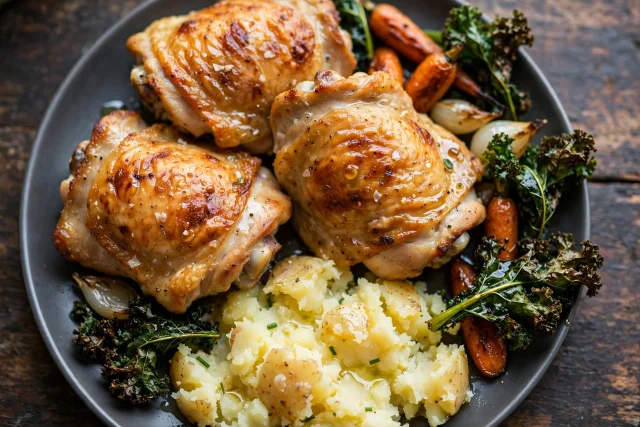
- Roast Chicken with Kale: Chicken thighs roast skin side up over kale and small potatoes until the kale crisps at the edges and the potatoes soften underneath. The pan does the work, and the leftovers make a good lunch the next day. It follows the same roast as our oven roasted chicken thighs, with kale and potatoes underneath.
Snacks:
- Dark Chocolate and Walnuts: Two squares of dark chocolate and a small handful of walnuts close the day without a production. The portion matters more than the brand, so keep it to a small bowl. A cup of tea alongside makes it feel like a ritual.
Day 7
Breakfast:
- Poached Egg and Avocado Rye Plate: A poached egg sits on rye toast with avocado, lemon, and a little chili, and breakfast is done in ten minutes. The rye adds fiber, and the egg keeps you full through a slow morning. A few leaves of arugula on top add a peppery bite.
Lunch:
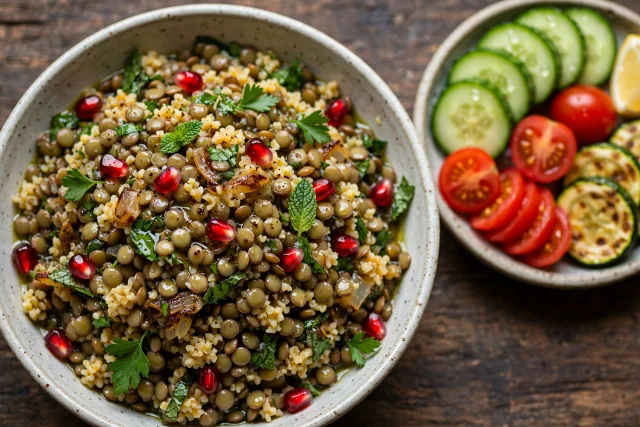
- Lentil Bulgur Salad: Lentils and bulgur toss with pomegranate, herbs, and lemon for a salad that eats like a meal and improves as it sits. Make a double batch and keep half for Monday's lunch. It travels well and does not need reheating.
Dinner:
- Pork Tenderloin with Apple and Mustard: Pork tenderloin browns in a pan, then finishes with apple slices, mustard, and a splash of stock. Sliced thin, it stays juicy and pairs with whatever greens are left in the fridge. A spoon of the pan sauce goes over the top.
Snacks:
- Steamed Edamame with Lemon: Edamame steams in five minutes, then takes lemon zest and a pinch of flaky salt. It is a snack that keeps your hands busy and brings plant protein to the end of the week. Buy the frozen bags and steam only what you will eat.
Complete Grocery List for a Lower Blood Pressure Diet
One cart covers the week if you shop the list in order. It is grouped by aisle, then by the job each ingredient does, so you can see where every item lands on the grid. Buy frozen vegetables where fresh looks tired, rinse canned beans well, and choose the lowest sodium stock you can find.
Fruits
- Citrus and Berries: Oranges, lemons, and mixed berries (the orange almond bowl, the yogurt bowl, and the citrus salmon tray).
- Orchard Fruit: Bananas, pears, and apples (the buckwheat pancakes, the millet porridge, and the pear snack).
- Pomegranate and Avocado: One pomegranate and two ripe avocados (the yogurt bowl, the lentil salad, and the avocado toast).
Vegetables
- Leafy Greens: Baby spinach, kale, and arugula (the egg white scramble, the roast chicken tray, and the tuna salad).
- Roasting Vegetables: Cauliflower, broccoli, fennel, and asparagus (the turmeric rice, the tofu bowl, the cod tray, and the chicken tray).
- Peppers and Tomatoes: Bell peppers, poblano peppers, and cherry tomatoes (the stuffed peppers, the chicken stew, and the cod tray).
- Everyday Vegetables: Cucumbers, carrots, sweet potatoes, baby potatoes, garlic, onions, and scallions (the salads, the stew, the trout plate, and the base for half the week).
Proteins
- Fish and Seafood: Cod, salmon, trout, and tuna steaks (the cod tray, the citrus salmon, the mustard trout, and the tuna salad, so buy fish fresh and cook it within two days).
- Poultry: Boneless chicken breast and chicken thighs (the farro bowl, the lemon herb tray, the poblano stew, and the Sunday roast).
- Meat: One pork tenderloin and a pound of ground turkey (the apple mustard plate and the minestrone).
- Plant Protein and Eggs: Firm tofu, frozen edamame, and a dozen eggs (the sesame bowl, the edamame snack, the scrambles, and the poached breakfast).
Grains and Bakery
- Whole Grains: Rolled oats, millet, farro, bulgur, and brown rice (the overnight oats, the porridge, the grain bowls, the stuffed peppers, and the turmeric rice).
- Beans and Lentils: White beans, chickpeas, and green lentils (the cod tray, the tofu bowl, the chickpea snack, and the lentil salad).
- Pasta and Bread: Small pasta, whole grain bread, rye bread, and sourdough (the minestrone, the scrambles, the poached egg plate, and the avocado toast).
Dairy and Refrigerated
- Yogurt and Milk: Greek yogurt, cottage cheese, and milk (the yogurt bowl, the overnight oats, the millet porridge, and the savory snack).
- Cheese: Feta and a parmesan wedge (the lentil salad and the minestrone, both in small amounts).
- Ready Protein: Hummus and cashew butter (the cucumber plate and the pear snack).
Pantry and Flavorings
- Oils and Acids: Olive oil, sesame oil, and a jar of Dijon mustard (the dressings, the tofu glaze, the trout crust, and the pork pan sauce).
- Spices: Smoked paprika, turmeric, cumin, dried oregano, chili flakes, and cinnamon (the chickpeas, the cauliflower rice, the stew, the chicken, and the porridge).
- Pantry Extras: Chia seeds, almond butter, sesame seeds, olives, low sodium stock, low sodium soy sauce, canned tomatoes, and dark chocolate (the overnight oats, the porridge, the bowls, the stew, the minestrone, and the evening square).
- Sweetener: A small jar of honey (the yogurt bowl and the pancakes, used sparingly).
Simple Food Swaps for a Low Sodium Week
Small swaps do more than a strict rule, because they survive a busy Wednesday and a late meeting. These five replace the biggest salt sources in a normal week, and none of them asks you to give up flavor or spend more at the shop. Pick two to start and add the rest when they feel normal.
- Swap the Deli Counter for Roast Chicken: Store bought sliced chicken and ham carry a lot of sodium, so roast a tray of thighs on Sunday and slice them for sandwiches and salads. The difference in taste is small and the difference in salt is large.
- Swap Bottled Dressing for Olive Oil and Lemon: A dressing of olive oil, lemon, mustard, and pepper takes a minute and keeps the salt low. Make a jar on Sunday and it lasts the whole week.
- Swap Canned Beans for Rinsed Beans: Rinsing canned beans removes a good share of the surface sodium, and cooking dried beans on a slow afternoon removes the question entirely. Either way, beans stay the cheapest heart healthy protein in the shop.
- Swap Salted Snacks for Unsalted Nuts: Roasted unsalted almonds, walnuts, and pistachios satisfy the crunch without the salt hit. Portion them into small containers so the bag does not disappear at the desk.
- Swap White Rice for Bulgur and Barley: Bulgur and barley cook quickly and bring more fiber to the plate than white rice. They also hold up in the fridge, which makes them a better base for next day lunches.
Getting Started With This Heart Healthy Diet
Start with one shop and one prep session. Roast a tray of chicken thighs, cook a pot of farro or bulgur, rinse two cans of beans, and wash the greens, and the first three days become assembly instead of cooking. If the budget is tight, a clean eating starting point uses the same building blocks with cheaper proteins.
Keep the salt shaker off the table for the first week and let lemon, vinegar, and herbs do the work. If a dish tastes flat, add acid before salt. Most people find the palate adjusts in about a week, and the food starts tasting seasoned again without the extra sodium.
Keep exploring with our longer Mediterranean DASH run for a heart smart fortnight, a kidney friendly week when sodium and potassium both need watching, a budget friendly healthy plan for cheaper proteins, an anti-inflammatory week for the days when joints ache, and a beginner plant based plan for meatless dinners. For another take on the same eating pattern, see a full heart healthy week and the DASH approach.
This article is for information only and is not medical advice. Read our full disclaimer.