Sixteen hours without food sounds like punishment until you count the ones you already sleep through. Most beginners who try a fasting schedule are surprised by how ordinary the morning feels once coffee is allowed and breakfast stops being mandatory.
An intermittent fasting meal plan for beginners is a structured way to eat inside a shorter daily window, usually eight hours, without changing what a good plate looks like. This 7 day intermittent fasting meal plan sets the window at noon to eight in the evening and fills it with two proper meals, one lighter plate, and a snack.
The shape of the day is what makes it work. Water and black coffee carry the morning, the first meal breaks the fast at midday with real protein, an afternoon plate keeps energy steady, and dinner closes the window before eight. Nothing heroic, nothing that requires willpower at nine in the evening.
Studies on time restricted eating point toward moderate weight and metabolic benefits, and the honest summary is that the window helps mostly because it removes late night eating. Harvard's diet review library makes that point plainly, and it is worth reading before you choose a schedule.
The week suits people who never feel hungry at seven in the morning, shift workers whose meals already land late, and anyone who has eaten dinner at ten and woken up bloated. It fits people who want one rule instead of six, since the clock does the deciding and the food stays familiar.
Beginners should start with fourteen hours and stretch to sixteen after a week or two. Anyone pregnant, managing diabetes, taking medication that requires food, or with a history of disordered eating should speak with a doctor first, because fasting is not a universal tool. If you want a plan without a window, the anti-inflammatory week covers similar food with normal meal times.
How a 16 8 Fasting Schedule Works
Four habits make a 16 8 fasting schedule livable, and each one exists because beginners quit without it. None of them is complicated, they cost nothing at all, and all four matter more than the exact number of hours ticking away on the kitchen clock.
- Build the Window Around Sleep: Most of the fast happens overnight, so a noon to eight window means only four waking hours pass without food. Push the window earlier or later to fit your day rather than forcing your day around a number.
- Protein Breaks the Fast: The first meal carries eggs, chicken, fish, or yogurt so the body gets building material instead of a pastry. Breaking a fast with sugar sends hunger straight back up within the hour.
- Drink Through the Morning: Water, sparkling water, black coffee, and plain tea all keep the fast intact. A pinch of salt in warm water helps some people with the dull headache that shows up on day two.
- Eat Enough Inside the Window: Two meals and a snack have to cover a full day of energy, so skimping backfires by evening. The plates below are generous on purpose, and the snack is not optional during the first two weeks.
Your 7 Day Intermittent Fasting Meal Plan
This 7 day intermittent fasting meal plan keeps the first meal at midday, an afternoon plate around three, dinner before eight, and a snack somewhere inside the window. Mediterranean, Mexican, Japanese, Italian, Indian, and Korean flavors rotate through the week so the shorter eating window never feels like a smaller life.
Day 1
Breakfast:
- Chia and Coconut Yogurt Bowl with Berries: Chia seeds plump in coconut yogurt overnight and take berries and toasted coconut in the morning. It is the first thing eaten at noon, and it goes down gently after sixteen hours.
Lunch:
- Grilled Chicken and Farro Salad: Grilled chicken, farro, cucumber, and herbs get a lemon dressing and a handful of feta. It carries enough protein and grain to hold the afternoon without a slump.
Dinner:
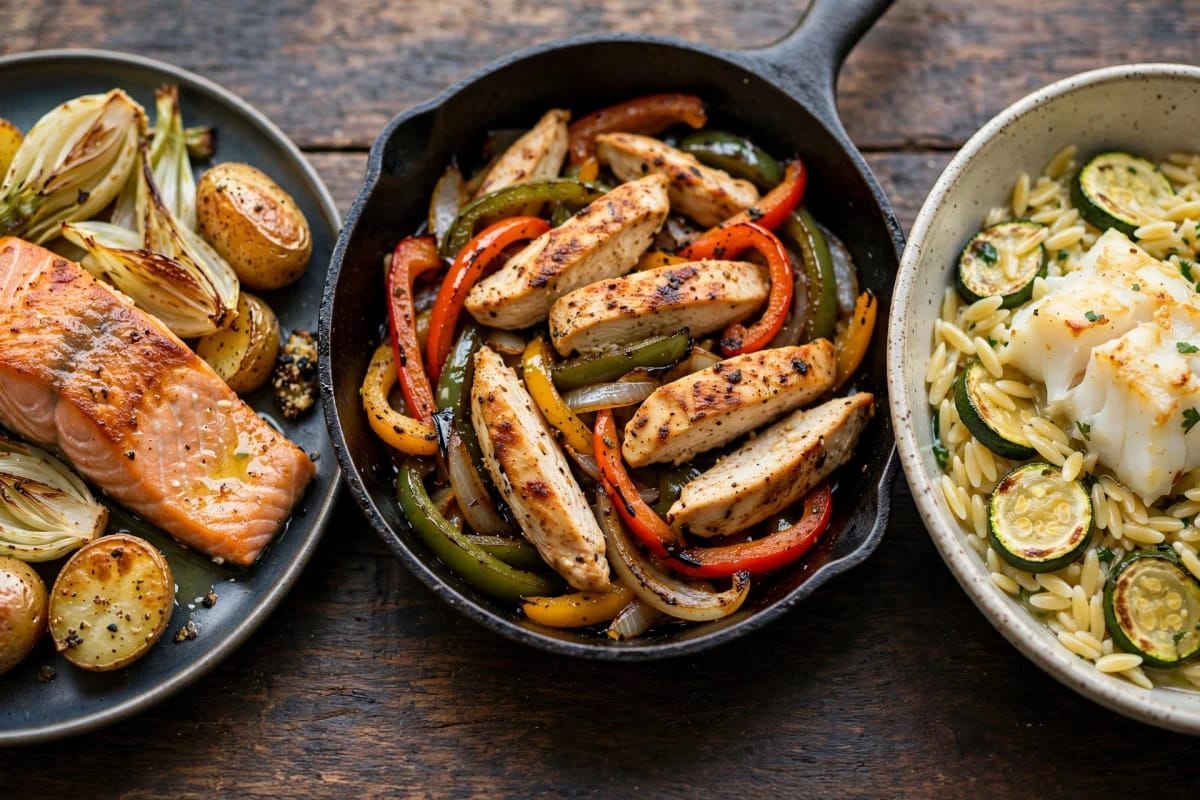
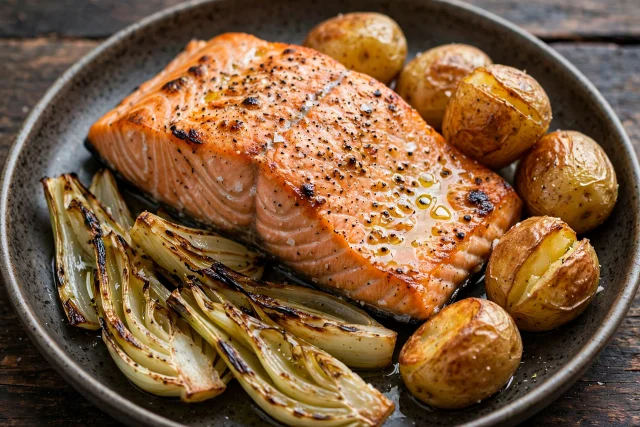
- Salmon with Roasted Fennel and Potatoes: Salmon roasts over fennel wedges and baby potatoes until the edges caramelize and the fish pulls apart in flakes. The oven baked salmon method finishes in twenty minutes, which leaves the evening intact.
Snacks:
- Handful of Almonds and an Apple: Almonds and a crisp apple cover the gap between lunch and dinner. Chewing something slow and loud helps more than a protein bar eaten in the car.
Day 2
Breakfast:
- Egg and Avocado Breakfast Bowl: Two eggs cook soft in a small pan and land in a bowl with avocado, tomato, and lime. It takes eight minutes and gives the first meal of the day some substance.
Lunch:
- Black Bean and Corn Salad with Lime: Black beans, charred corn, red onion, and cilantro toss with lime and olive oil. It is fresh and filling at once, and it keeps in a container for two days.
Dinner:
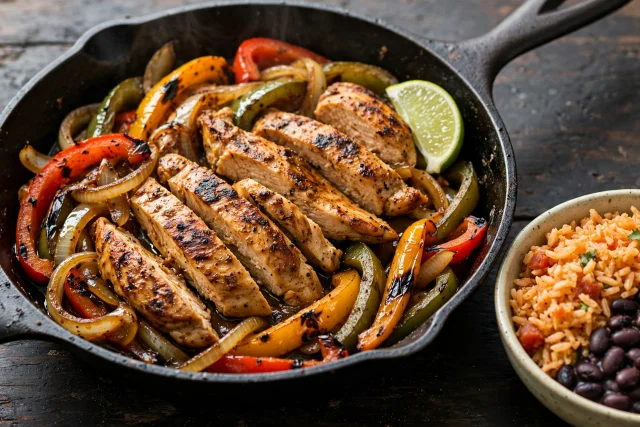
- Chicken Fajita Skillet with Peppers: Chicken strips and peppers hit a screaming hot pan with cumin and oregano, then finish with lime. Serve it straight from the skillet with warm tortillas on the side.
Snacks:
- Cottage Cheese with Peach Slices: Cottage cheese with peach slices and a little cinnamon tastes like something from a diner counter. The protein keeps the last hours before dinner calm.
Day 3
Breakfast:
- Tamago Rice Bowl with Scallions: A soft folded omelet goes over warm rice with scallions and a drizzle of soy. It is a quiet, savory first meal that never feels heavy at noon.
Lunch:
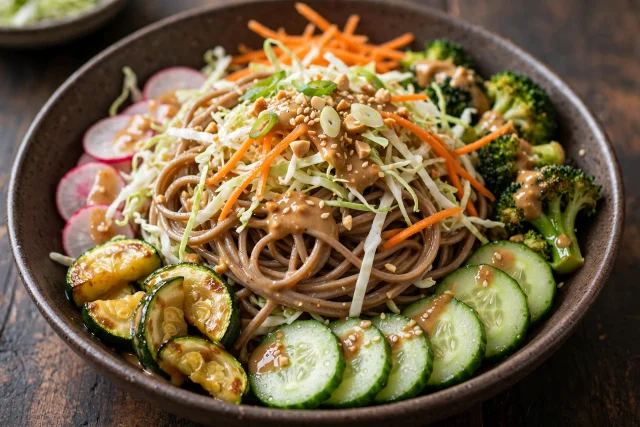
- Soba Salad with Peanut Dressing: Chilled soba noodles toss with shredded cabbage, carrots, and a peanut lime dressing. It eats cold, travels well, and gets better after an hour in the fridge.
Dinner:
- Teriyaki Tofu with Brown Rice: Pressed tofu browns in a pan, then a quick teriyaki glaze goes in and thickens around the cubes. Brown rice and steamed greens finish it, and the tofu stir fry recipe covers the technique if you want more detail.
Snacks:
- Steamed Edamame with Sea Salt: A bowl of edamame pods with flaky salt takes five minutes. Popping the beans out makes the snack last longer than the hunger does.
Day 4
Breakfast:
- Feta and Olive Omelet: Feta and chopped olives fold into a three egg omelet with a little oregano. It is salty, warm, and quick, which is what a midday first meal usually needs.
Lunch:
- Chickpea and Cucumber Salad: Chickpeas, cucumber, red onion, and parsley get lemon and olive oil and a crumble of feta. It is the lightest lunch of the week, and it fits a warm afternoon.
Dinner:
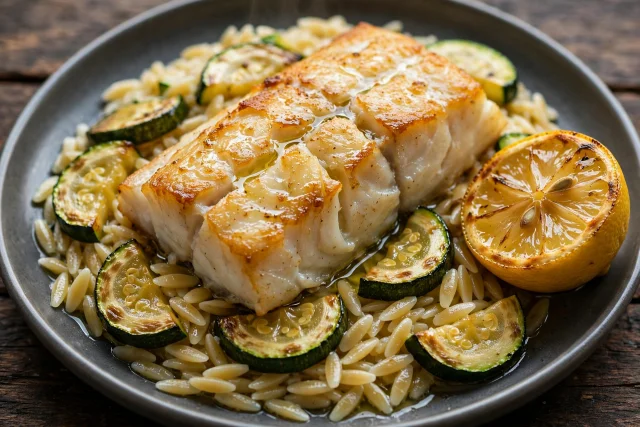
- Baked Cod with Orzo and Zucchini: Cod bakes over orzo and zucchini with lemon and garlic, and the pasta soaks up everything the fish gives off. One dish goes in the oven and one dish comes out.
Snacks:
- Walnuts and Orange: A small handful of walnuts and a peeled orange. The fat and the acid together handle a sweet craving better than a biscuit does.
Day 5
Breakfast:
- Vegetable Poha with Peanuts: Flattened rice cooks in four minutes with turmeric, peas, onion, and peanuts. It is a savory Indian breakfast that works just as well at noon as it does at seven.
Lunch:
- Dal and Cucumber Salad: Red lentils simmer with tomato and cumin into a soft dal, and a cool cucumber salad goes beside it. The combination is filling without sitting heavy before an afternoon of work.
Dinner:
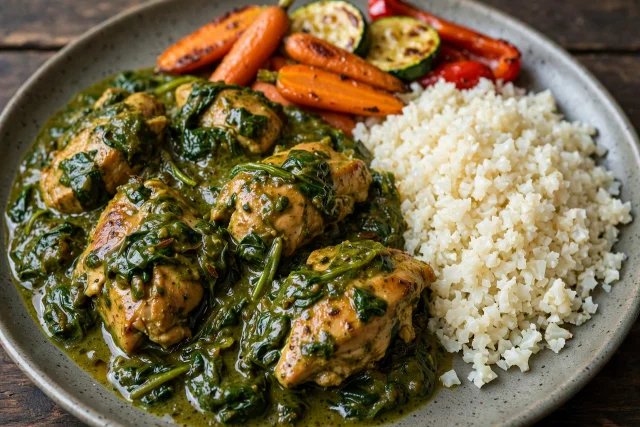
- Chicken and Spinach Curry with Cauliflower Rice: Chicken simmers in a tomato and ginger sauce until tender, and spinach wilts in at the end. Cauliflower rice keeps the plate lighter while the sauce stays rich.
Snacks:
- Buttermilk with Cumin: Cold buttermilk with roasted cumin, salt, and mint is a drink and a snack in one. It settles the stomach after a spiced dinner and takes a minute to make.
Day 6
Breakfast:
- Steamed Egg Custard with Greens: Eggs whisk with warm water and steam into a silky custard with spinach tucked inside. It is gentle on the stomach and feels like a restaurant dish for almost no effort.
Lunch:
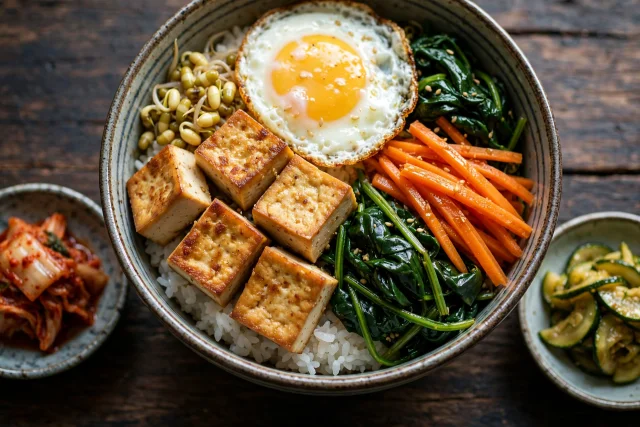
- Bibimbap Rice Bowl with Tofu: Rice, seasoned spinach, carrots, and crisp tofu arrange in a bowl with gochujang on the side. Stir it all together at the table and the whole thing turns into comfort food.
Dinner:
- Korean Beef and Rice Bowl: Thin sliced beef cooks fast with soy, garlic, and sesame, then goes over rice with cucumber and scallions. It is the fastest dinner of the week and one of the best.
Snacks:
- Kimchi Cucumber Spears: Cucumber spears with kimchi and a spoon of its juice. Crunchy, sour, and salty, which covers three cravings at once.
Day 7
Breakfast:
- Ricotta Toast with Honey and Walnuts: Ricotta spreads on toasted sourdough with honey, walnuts, and a little black pepper. It is sweet enough to feel like a weekend and small enough to keep the window honest.
Lunch:
- Tuscan Bean Salad: White beans, cherry tomatoes, red onion, and basil with olive oil and vinegar. It needs no cooking and holds up in a lunch bag for hours.
Dinner:
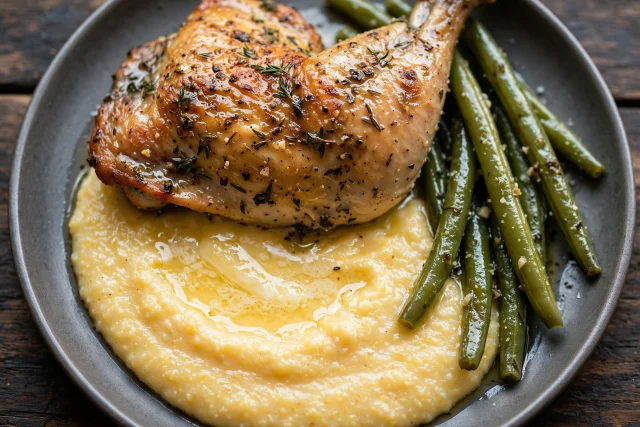
- Herb Baked Chicken with Polenta: Chicken thighs bake with rosemary and lemon while polenta simmers on the stove. Green beans steam in the last five minutes, and the plate closes the week properly.
Snacks:
- Dark Chocolate Square with Almonds: One square of dark chocolate and a small handful of almonds. It ends the eating window on a good note instead of a handful of whatever is open.
Your Intermittent Fasting Grocery List
One shop covers the whole week, and the list is deliberately ordinary because fasting is hard enough without hunting for specialty ingredients. Buy fish on the days you plan to cook it and keep the freezer stocked with edamame and berries for the afternoons that get away from you.
Fruits
- Fresh Fruit: Apples, oranges, peaches, and berries (for the snack plates and the yogurt bowl).
- Citrus: Lemons and limes (for the dressings, the salmon, and the fajita skillet).
- Dried and Frozen: Frozen berries and a small bag of dates (for the chia bowl and the emergency afternoon snack).
Vegetables
- Leafy Greens: Spinach, kale, romaine, and fresh herbs (parsley, cilantro, mint, dill) for the bowls, salads, and custard.
- Roasting and Skillet: Fennel, zucchini, baby potatoes, peppers, onions, and green beans (for three dinners and the fajita pan).
- Crunch and Pickle: Cucumbers, carrots, cabbage, scallions, and one jar of kimchi (for the salads, bowls, and snacks).
- Aromatics: Garlic, ginger, and fresh chilies (for the curry, the beef bowl, and the poha).
Proteins
- Poultry and Meat: Chicken breast, chicken thighs, and thin sliced beef (for the salads, curry, and rice bowl).
- Fish: Salmon fillet and cod fillet, bought fresh on their cook days (Days one and four).
- Eggs and Dairy Protein: One dozen eggs, cottage cheese, ricotta, and Greek yogurt (breakfasts and snacks).
- Plant Protein: Firm tofu, red lentils, chickpeas, and white beans (for the curry, dal, salads, and bowls).
Grains and Noodles
- Rice and Noodles: Short grain rice, brown rice, soba noodles, and flattened rice (poha) for the bowls and the salad.
- Whole Grains: Farro and polenta (for the chicken salad and the closing dinner).
- Bread: One sourdough loaf and a pack of corn tortillas (for the toast and the fajitas).
Dairy and Chilled
- Yogurt and Cheese: Coconut yogurt, Greek yogurt, feta, and ricotta (for the chia bowl, snacks, and omelet).
- Dressings: Tahini, peanut butter, and one jar of gochujang (for the soba salad and the bibimbap).
Pantry and Flavorings
- Oils: Olive oil and toasted sesame oil (every pan and dressing in the week).
- Spice Rack: Turmeric, cumin, smoked paprika, oregano, cinnamon, and chili flakes (the flavor spine of the week).
- Pantry Extras: Chia seeds, shredded coconut, almonds, walnuts, peanuts, and dark chocolate (snacks and breakfast toppings).
- Beverages: Ground coffee, black tea, sparkling water, and buttermilk (the fast-side drinks and the Day five snack).
How to Customize Your Intermittent Fasting Meal Plan
A fasting week has to bend around real life, and this intermittent fasting meal plan is designed to bend without breaking. Five adjustments cover the situations beginners run into during the first month, from an early meeting to a dinner invitation that starts at eight.
- When the Window Starts Too Late: Shift the whole schedule an hour earlier and keep the same eight hour length. A ten in the morning to six in the evening window suits people who cannot face a late dinner.
- When a Dinner Invitation Lands: Move the window to the invitation rather than skipping the meal. Open at two in the afternoon, eat lightly at home, and enjoy the table without a second thought.
- When the Morning Headache Arrives: Add a pinch of salt and a squeeze of lemon to a glass of water and drink it slowly. Dehydration and low sodium explain most of the day two headache, and it usually fades by day four.
- When You Are Training Hard: Put the workout at the end of the window so the meal after it covers recovery. Fasted training works for easy sessions, not for heavy lifting or long intervals.
- When the Fast Feels Unmanageable: Drop to fourteen hours for a week and build up again. A window you keep beats a window you abandon, and fourteen hours still delivers most of the routine benefit.
Getting Started With This 7 Day Intermittent Fasting Meal Plan
Pick the window first, then shop, then prep. Most beginners do better starting at fourteen hours and stretching to sixteen once the mornings feel normal, and the food below works at either length. Keep the first week social calendar light, since hunger and irritability both peak around day three.
Two references are worth reading before the first fasting day. The Harvard review of intermittent fasting summarizes what the evidence actually supports, which is more modest than the internet suggests. The NIH weight management reference covers the parts that matter over months rather than days.
Keep exploring with our low carb week for steady energy and a budget-friendly healthy menu, plus a three week metabolic reset, a heart-smart Mediterranean fortnight and a kidney-friendly weekly plan, alongside a blood sugar balance week and a no sugar reset month.
This article is for information only and is not medical advice. Read our full disclaimer.