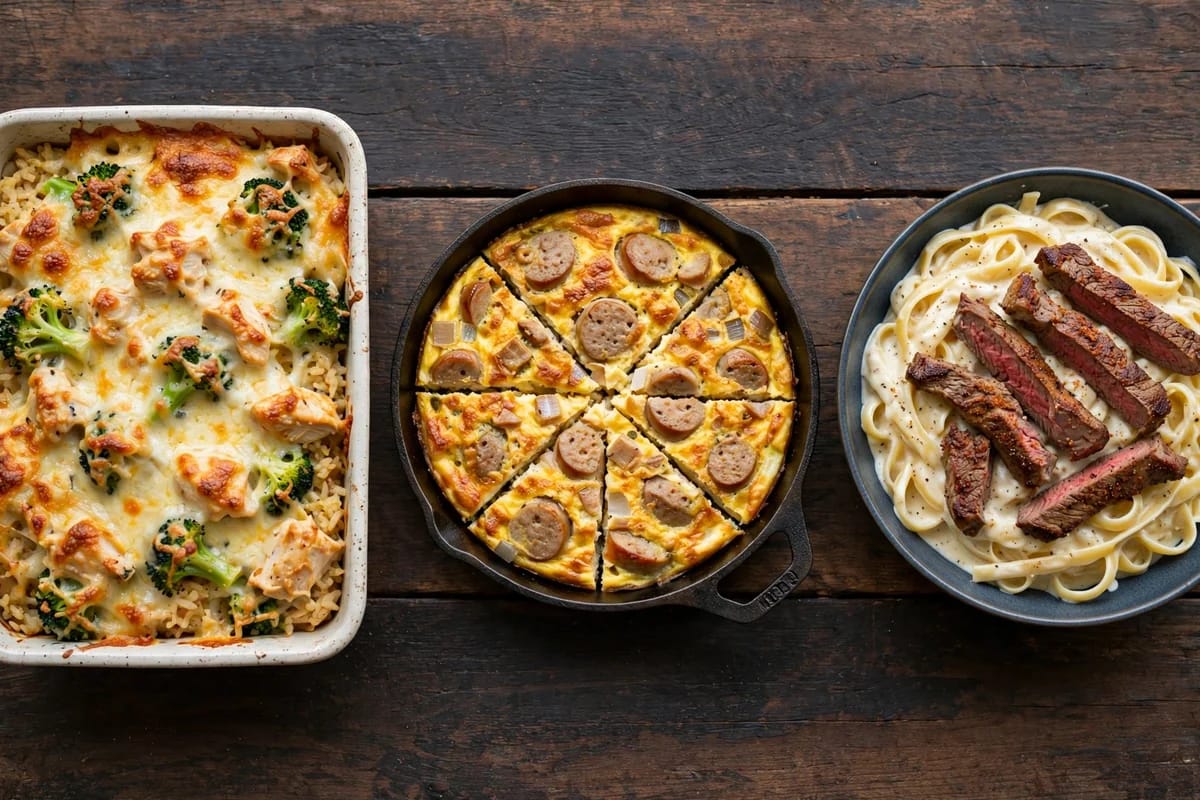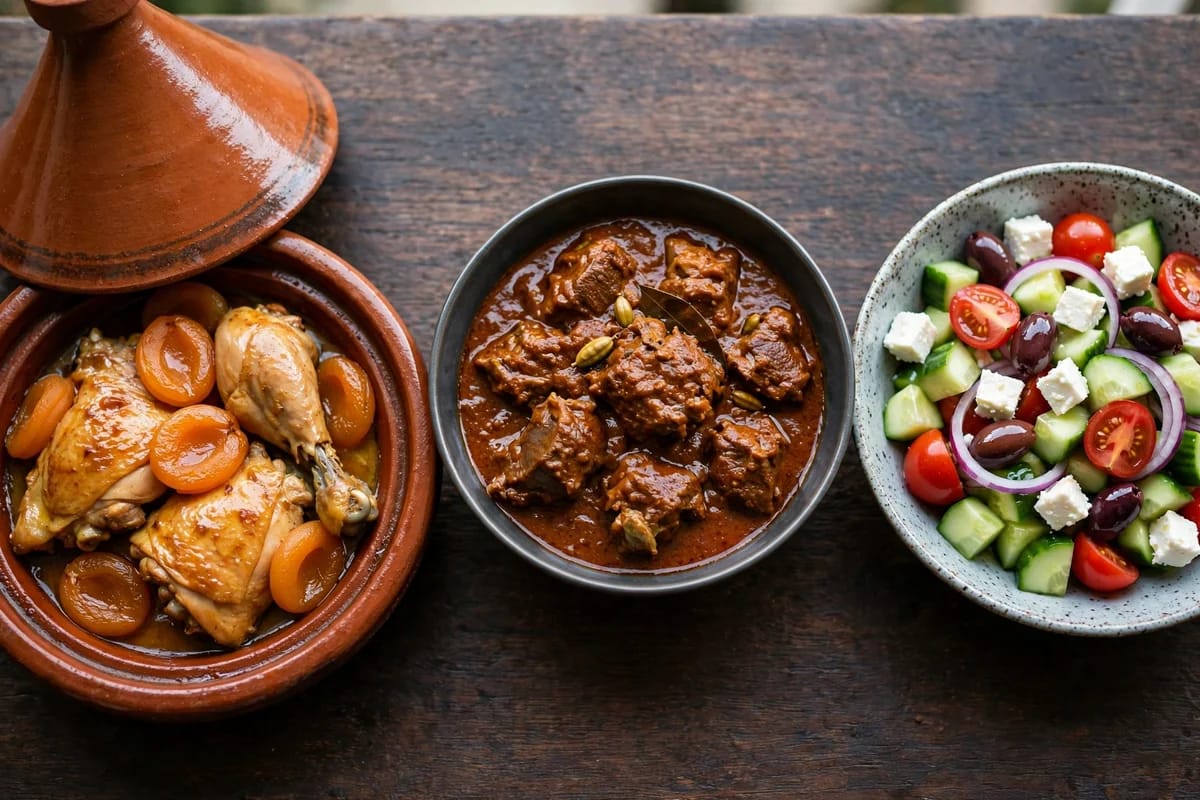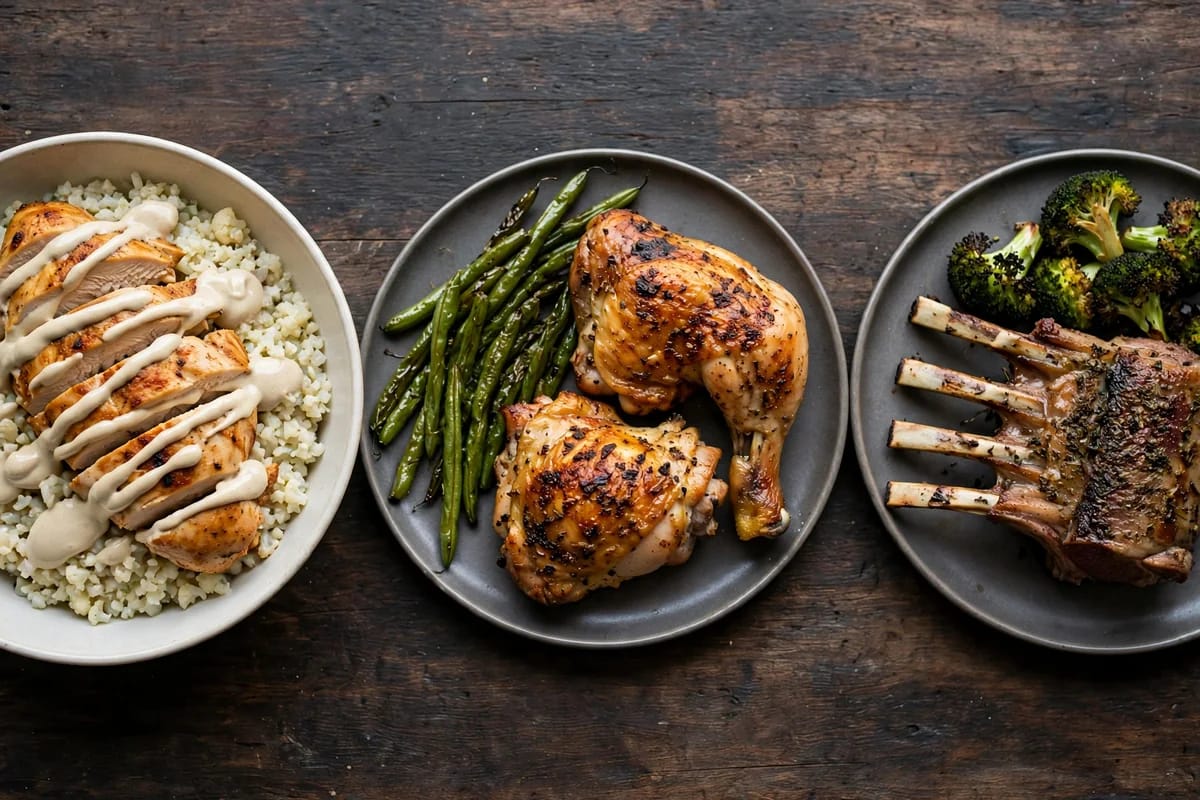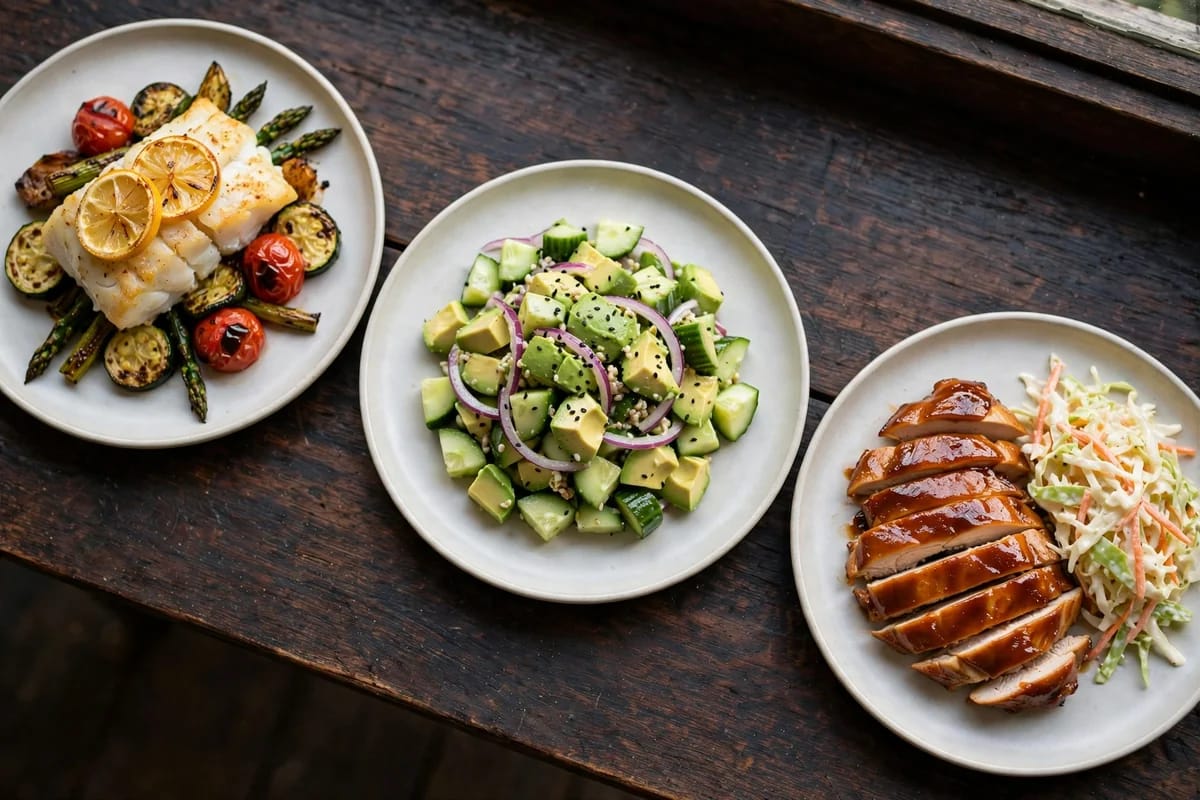
Most people cutting salt for the first time spend a week tasting bland food and wondering why anyone calls this a diet. The salt shaker was never the problem. Bread, cheese, stock cubes, deli meat, and the sauce bottle in the refrigerator door carry far more sodium than the spoon you hold over a pot.
This 7 day low salt diet meal plan moves the focus from the shaker to the shopping list, with seven days of breakfasts, lunches, dinners, and snacks that lean on herbs, citrus, vinegar, and heat instead of salt. Every dish still tastes like a real meal, and the grocery list flags the swaps that keep the total near 1,500 milligrams a day.
Sodium pulls water into the bloodstream, and that extra volume pushes pressure against artery walls, which is why so many people see a reading drop within a few weeks of cooking differently. The effect is strongest in people who are salt sensitive, and it shows up fastest when the change replaces packaged food rather than just the seasoning at the table.
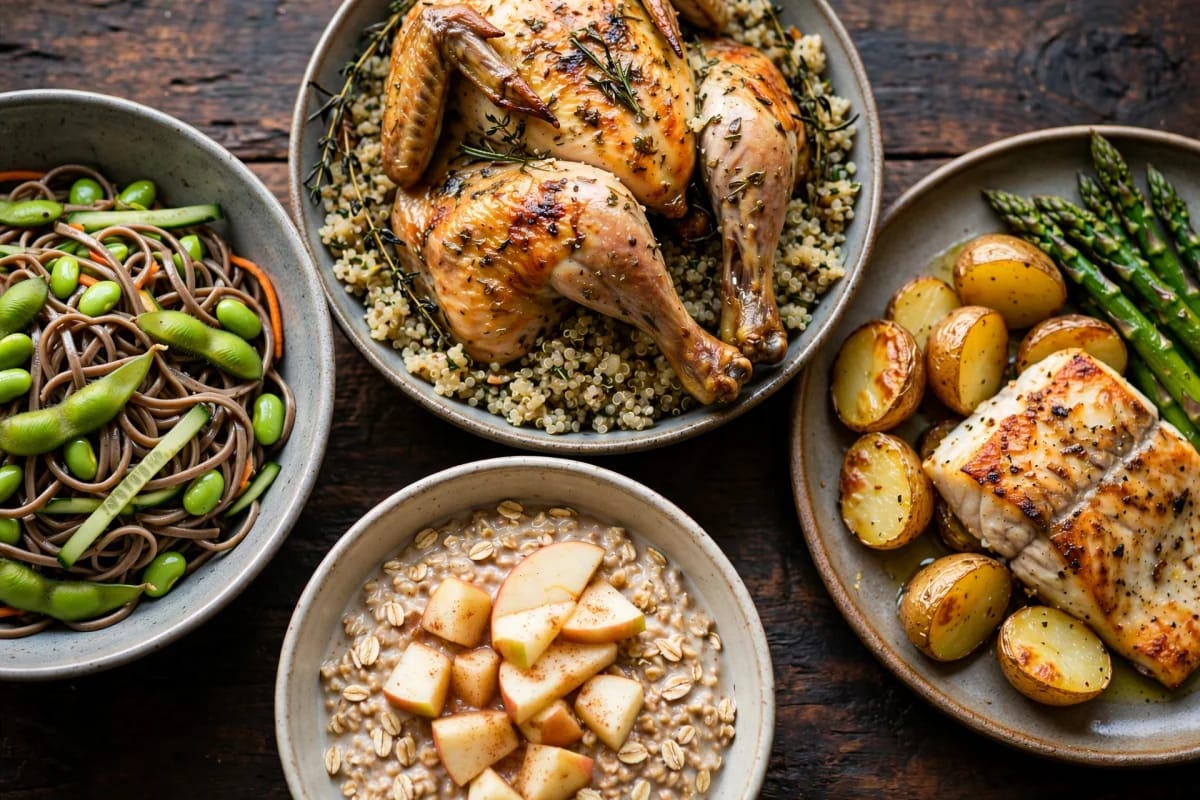
Dinner runs through herb roasted chicken, ginger poached salmon, a turkey and pepper skillet, and a slow cooker beef stew, with quinoa, brown rice, and potatoes carrying the starch. Mornings stay quick with overnight oats, steamed egg custard, and rye toast, and the snacks are fruit and unsalted nuts rather than crackers.
This week suits adults whose doctor just used the word hypertension, people whose home cuff reads a little high at every check, and the partner who cooks for them and now has to rethink the family menu. It also fits anyone told to follow a DASH style eating pattern and looking for a week that actually tastes like dinner.
Expect the first shop to take longer than usual, because label reading is slow until you know your brands. Once the pantry is set, the cooking is ordinary weeknight work, and the two week Mediterranean DASH plan picks up where this one leaves off.
Key Principles of a Low Salt Diet
Five habits do most of the work here, and none of them require giving up flavor for good. They come from blood pressure guidance and from the practical reality of a supermarket, where the loudest salt sources rarely sit in the spice aisle and rarely taste salty at all.
- Read Before You Cook: Sodium hides in bread, tortillas, stock, canned beans, and condiments, so compare labels per serving rather than per package. Anything above 400 milligrams per serving earns a second look and often a swap.
- Build Flavor Without Salt: Lemon, lime, vinegar, garlic, cumin, smoked paprika, and fresh herbs all lift a dish at the level salt usually handles. Add them at the end of cooking so the aroma survives the heat.
- Cook Fresh on Most Days: A plain chicken breast, a fillet, or a pot of lentils arrives with almost no sodium and needs only seasoning. Packaged versions of the same foods can carry a day's worth before you reach the table.
- Let Produce Carry Potassium: Beans, potatoes, spinach, bananas, and tomatoes deliver potassium, which helps the body clear sodium, and DASH builds on that balance. Anyone with kidney disease checks this list with a doctor first.
- Plan for Restaurant Days: Ask for sauces and dressings on the side, choose grilled over fried, and skip the bread basket that arrives before the decision. One restaurant meal can hold more sodium than three days of this menu.
Your 7 Day Low Salt Diet Meal Plan
Seven days travel from the Mediterranean through Japan, Mexico, India, and Scandinavia, then land on a Greek plate and a slow cooker Sunday. Each day pairs a protein with a whole grain and a vegetable, and no dish depends on a bouillon cube or a jar of sauce to taste finished.
Day 1
Breakfast:
- Apple Cinnamon Overnight Oats with Almond Butter: Rolled oats soak overnight with grated apple, cinnamon, and unsweetened almond milk, then a spoon of almond butter melts in at breakfast. The jar sits in the refrigerator ready before the coffee is on.
Lunch:
- Chickpea Cucumber Salad with Olive Oil and Parsley: Rinsed chickpeas, cucumber, cherry tomatoes, and flat parsley toss in olive oil, vinegar, and black pepper. Rinsing canned beans under running water drops a meaningful share of their sodium.
Dinner:
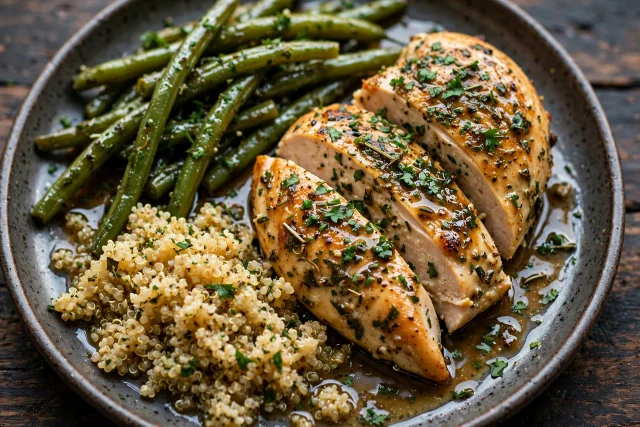
- Herb Roasted Chicken with Quinoa and Green Beans: Chicken breasts roast over lemon slices and thyme until the skin browns, with quinoa and green beans finishing beside them. Pan juices spooned over the quinoa replace any need for a sauce.
Snacks:
- Unsalted Almonds with an Orange: A small handful of raw almonds and one orange, peeled and sectioned. The combination covers the afternoon gap without the salt hit of a bag of chips.
Day 2
Breakfast:
- Steamed Egg Custard with Scallions and Shiitake: Eggs whisk with water and steam gently until barely set, then scallions and sliced shiitake land on top. It tastes delicate and costs about ten minutes of mostly waiting.
Lunch:
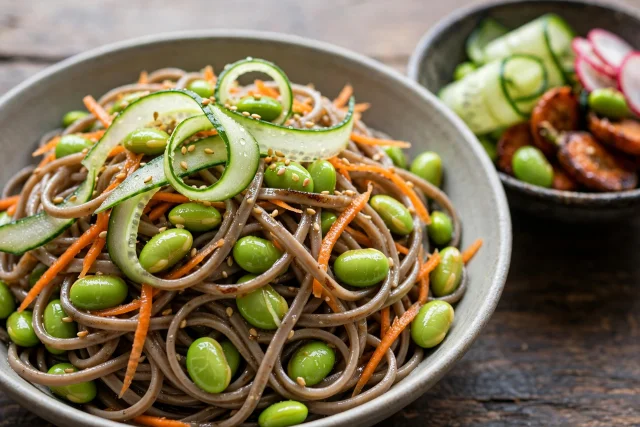
- Brown Rice Noodle Salad with Edamame and Sesame: Chilled brown rice noodles toss with edamame, cucumber ribbons, carrot, rice vinegar, and toasted sesame. Check the soba label, since some brands carry far more sodium than others.
Dinner:
- Ginger Poached Salmon with Brown Rice and Bok Choy: Salmon poaches in a ginger and scallion broth, then joins brown rice and steamed bok choy. Poaching keeps the fish moist without a salty glaze, and the broth becomes a light spoon sauce.
Snacks:
- Cucumber Spears with Toasted Sesame: Cold cucumber cut into spears and dipped in a sesame and rice vinegar mix. Crunchy, cold, and a good replacement for the salted snack habit.
Day 3
Breakfast:
- Black Bean and Avocado Breakfast Bowl: Warm black beans, a soft egg, avocado slices, and salsa fresca build a savory bowl in one pan. Choose no salt added beans and the sodium stays close to nothing.
Lunch:
- Grilled Chicken Tacos with Cabbage Slaw: Corn tortillas hold grilled chicken, a lime cabbage slaw, and sliced radish, with salsa on the side. Two tacos satisfy, and the slaw keeps the filling from tasting dry.
Dinner:
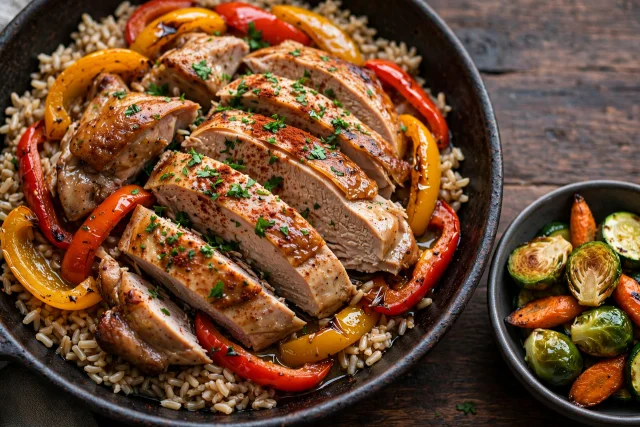
- Turkey and Pepper Skillet with Brown Rice: Ground turkey browns with bell peppers, onion, smoked paprika, and oregano, then spoon over brown rice. A splash of vinegar at the end wakes up the whole pan.
Snacks:
- Jicama Spears with Chili and Lime: Jicama peeled into spears and squeezed with lime and a pinch of chili powder. It crunches like a chip and carries almost no sodium of its own.
Day 4
Breakfast:
- Poha with Peas and Peanuts: Flattened rice rinses, then cooks with mustard seed, turmeric, peas, carrot, and roasted peanuts. It is a fast Indian breakfast that tastes far richer than its sodium count suggests.
Lunch:
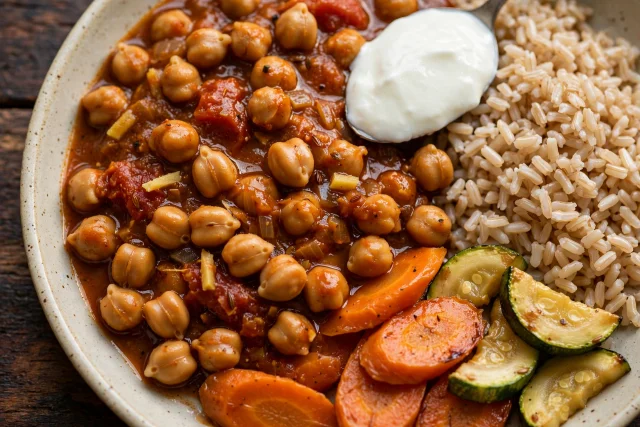
- Chana Masala with Brown Rice: Chickpeas simmer in a tomato, ginger, and garam masala sauce until thick, served over brown rice with a spoon of yogurt. Salt goes in last and only after a taste.
Dinner:
- Tandoori Spiced Cod with Cauliflower and Peas: Cod rubs with yogurt, cumin, coriander, and paprika, then roasts hot beside cauliflower and peas. The yogurt marinade keeps the fish tender and the spice mix does the seasoning work.
Snacks:
- Unsalted Pistachios with Grapes: A small bowl of shelled pistachios and a cluster of grapes. Shelling them slows the snack down, which is half the point.
Day 5
Breakfast:
- Rye Toast with Avocado and a Soft Egg: Dark rye toast, mashed avocado, a soft boiled egg, and a crack of black pepper. Choose the lowest sodium rye you can find, since bread is a quiet salt source.
Lunch:
- Lentil and Beet Salad with Dill: Cooked lentils, roasted beets, cucumber, and dill toss in a mustard vinaigrette. It keeps well for two days and tastes better on the second.
Dinner:
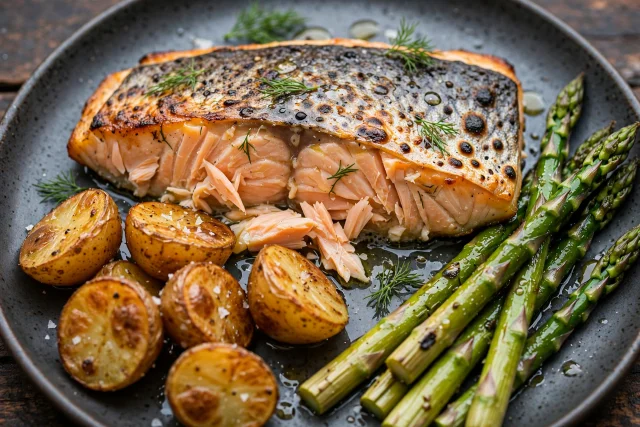
- Baked Arctic Char with Potatoes and Asparagus: Char bakes on a tray with parboiled potatoes and asparagus, finished with dill and lemon. One tray, one wash up, and a plate that looks like a restaurant dinner.
Snacks:
- Skyr with Raspberries: Thick skyr yogurt with a handful of raspberries and a drizzle of honey. It carries more protein than most snack bars and none of their sodium.
Day 6
Breakfast:
- Tomato and Herb Scramble with Whole Grain Toast: Eggs scramble soft with chopped tomato, oregano, and chives, served on whole grain toast. Skip the bacon and the plate stays firmly in low salt territory.
Lunch:
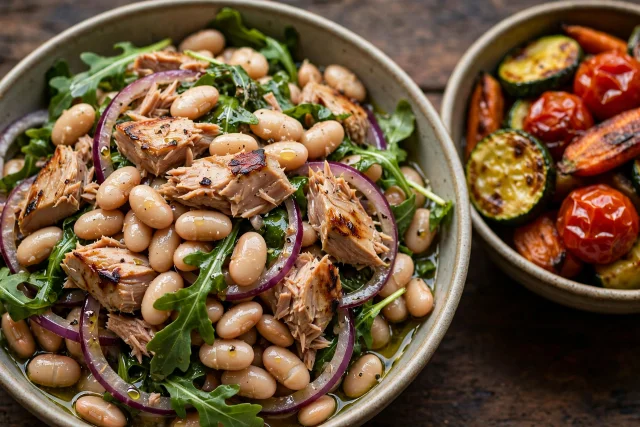
- Cannellini and Tuna Salad with Arugula: Cannellini beans, olive oil packed tuna, red onion, arugula, and lemon toss together in five minutes. Drain and rinse the tuna if you want to trim the sodium further.
Dinner:
- Chicken Souvlaki with Bulgur and Zucchini: Chicken cubes marinate in yogurt, oregano, garlic, and lemon, then grill and join bulgur and charred zucchini. A yogurt cucumber sauce finishes the plate without a salty bottled dressing.
Snacks:
- Honeydew Cubes with Mint: Cold honeydew with torn mint leaves. It is mostly water, which is exactly what a hot afternoon wants.
Day 7
Breakfast:
- Banana Oat Waffles with Yogurt: Oats, banana, eggs, and a little baking powder blend into a batter that crisps in the waffle iron, topped with plain yogurt and berries. No pancake mix, no added salt, no compromise.
Lunch:
- Turkey and Avocado Wrap with Greens: Sliced roast turkey, avocado, spinach, and tomato roll into a whole wheat wrap with mustard instead of mayonnaise. The turkey avocado wrap recipe shows the fold that keeps everything inside.
Dinner:
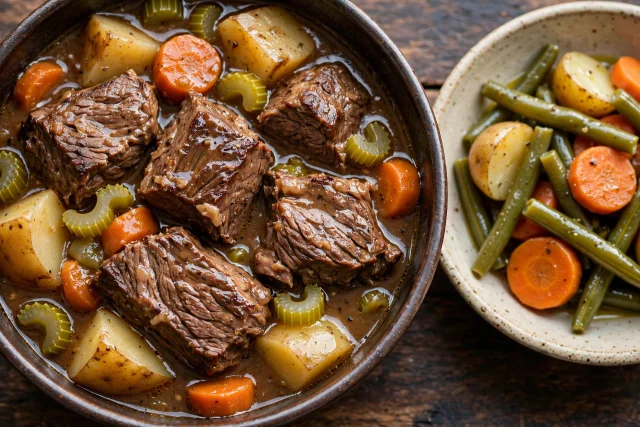
- Slow Cooker Beef and Vegetable Stew: Chuck roast, carrots, celery, potatoes, and onion cook low with no salt added stock and a spoon of tomato paste. The long cook builds flavor that a stock cube would only pretend to provide.
Snacks:
- Apple Slices with Unsalted Peanut Butter: A crisp apple cut into wedges with a tablespoon of unsalted peanut butter. Simple, filling, and a good bridge between lunch and a late dinner.
Your Low Salt Diet Grocery List
This list covers all twenty eight dishes and assumes a pantry that is already low in sodium, so the first shop may need one extra pass to replace stock, soy sauce, and canned beans. Buy the no salt added versions where they exist, and taste before adding anything from the shaker.
Fruits
- Fresh Fruit: Apples, oranges, bananas, blueberries, grapes, watermelon, lemons, limes (for the oats, the snacks, the dressings, and the waffles).
Vegetables
- Leafy Greens: Spinach, arugula, bok choy, butter lettuce (for the wrap, the salad, and the poached salmon).
- Roots and Bulbs: Potatoes, beets, carrots, red onion, garlic, jicama (for the stew, the lentil salad, and the snacks).
- Everyday Vegetables: Cucumber, cherry tomatoes, bell peppers, zucchini, asparagus, cauliflower, celery, radish, shiitake mushrooms (across the week's plates).
- Frozen and Pods: Frozen peas, edamame, green beans (for the cod, the noodle salad, and the roast chicken).
- Fresh Herbs: Parsley, dill, thyme, mint, chives, scallions (added at the end of cooking for flavor without salt).
Proteins
- Poultry: Chicken breasts, chicken thighs, ground turkey, sliced roast turkey (for the roast, the skewers, the skillet, and the wrap).
- Fish and Seafood: Salmon fillet, cod fillets, arctic char, olive oil packed tuna (buy fresh fish on the day you cook it).
- Meat: Beef chuck roast (for the slow cooker stew).
- Eggs and Plant Proteins: Eggs, chickpeas, cannellini beans, black beans, red lentils, firm tofu (all no salt added where canned).
Grains and Bakery
- Whole Grains: Rolled oats, quinoa, brown rice, bulgur, soba noodles, flattened rice (for the bowls, the salads, and the poha).
- Bread and Wraps: Whole grain sandwich bread, dark rye bread, whole wheat wraps, corn tortillas (compare labels and pick the lowest sodium option).
Dairy and Refrigerated
- Yogurt and Milk: Plain Greek yogurt, skyr, unsweetened almond milk, a small block of Parmesan (for the marinades, the snacks, and the oats).
Pantry and Flavorings
- Oils and Vinegars: Olive oil, toasted sesame oil, rice vinegar, red wine vinegar, Dijon mustard (the base of every dressing this week).
- Spices: Cumin, coriander, smoked paprika, turmeric, garam masala, mustard seed, oregano, chili powder, black pepper (the seasoning team that replaces salt).
- Pantry Staples: No salt added stock, no salt added tomato paste, unsalted almond butter, unsalted peanuts, unsalted pistachios, unsalted almonds, honey, sesame seeds (for the stew, the snacks, and the noodle salad).
Easy Food Swaps and Substitutions
Five swaps cover the moments when the low salt version of a meal is not the one in front of you, whether that is a work lunch, a family barbecue, or a fridge holding nothing but deli meat. Each swap keeps the dish recognizable, which matters more than perfection on a Tuesday night.
- When Soy Sauce Is the Flavor You Want: Use a low sodium soy sauce and cut it with rice vinegar and a little water, or reach for coconut aminos. The savory note survives, and the sodium drops by more than half.
- When Canned Beans Are the Shortcut: Rinse them until the water runs clear, or cook a pot of dried beans on the weekend. Either route removes the salty liquid that carries most of the sodium.
- When Bread Is the Habit: Compare three loaves and take the lowest sodium one, then keep tortillas and rice cakes as backup. Bread can quietly supply a third of a day's sodium without tasting salty at all.
- When Deli Meat Is in the Fridge: Roast a chicken breast or a small pork loin and slice it yourself for sandwiches and wraps. Two minutes of prep beats a package that carries a day's sodium in four slices.
- When Takeout Is the Easy Choice: Ask for sauce on the side, choose grilled or steamed dishes, and add a plain side of rice or vegetables. Eating half the sauce is a legitimate strategy, not a failure.
Making the Most of Your 7 Day Low Salt Diet Meal Plan
Give the first shop an extra twenty minutes and read the labels on the items you buy every week, because those repeat purchases decide most of your sodium. Stock the pantry with no salt added beans, tomatoes, and stock, then keep lemons, vinegar, and a full spice rack within reach so flavor never depends on the shaker.
Track your home readings at the same time each morning and bring the numbers to your next appointment, since the trend matters more than any single day. The NHLBI DASH eating plan and the FDA sodium guide both explain the daily targets this week works toward, and your doctor can adjust them for your own history.
Keep exploring with our kidney friendly week of eating and a fifty dollar grocery plan, plus an easy plant based plan for beginners, a plant based Daniel Fast plan and a budget friendly healthy menu, alongside a diabetic friendly Thanksgiving menu and easy chicken dinners for the week.
This article is for information only and is not medical advice. Read our full disclaimer.