This post may contain affiliate links, meaning I may earn a commission if you make a purchase, at no extra cost to you. I only recommend products I trust. Thank you for your support.
This healthy turmeric chicken soup recipe is made by gently simmering boneless chicken thighs or breasts, along with turmeric, vegetables, and herbs, into a clear, golden broth that’s nourishing, healing, and anti-inflammatory.
Turmeric, scientifically known as Curcuma longa, has a rich history that is closely woven into the traditions of medicine, culture, and cooking across South Asia.
In Ayurvedic practice, turmeric is known as Haridra and has long been valued for its purifying qualities, believed to cleanse both the body and the surrounding environment.
This chicken soup provides easily absorbed minerals and amino acids, while turmeric’s curcumin, a powerful polyphenol, adds natural anti-inflammatory compounds that support immune balance.
This anti-inflammatory turmeric chicken soup recipe serves six, is quick and easy to make, and is perfect for cozy weeknight dinners, meal prep, or anytime you need a healthy chicken soup.
This soup is sugar-free, diabetic friendly, gluten-free, and high in protein, and it pairs wonderfully with wholesome sides like brown rice, quinoa, steamed vegetables, or a crisp green salad for a well-balanced, nourishing meal.
✅ Take a moment to read through the whole post for the ingredient list, expert tips, and equipment suggestions. The full recipe is right below.
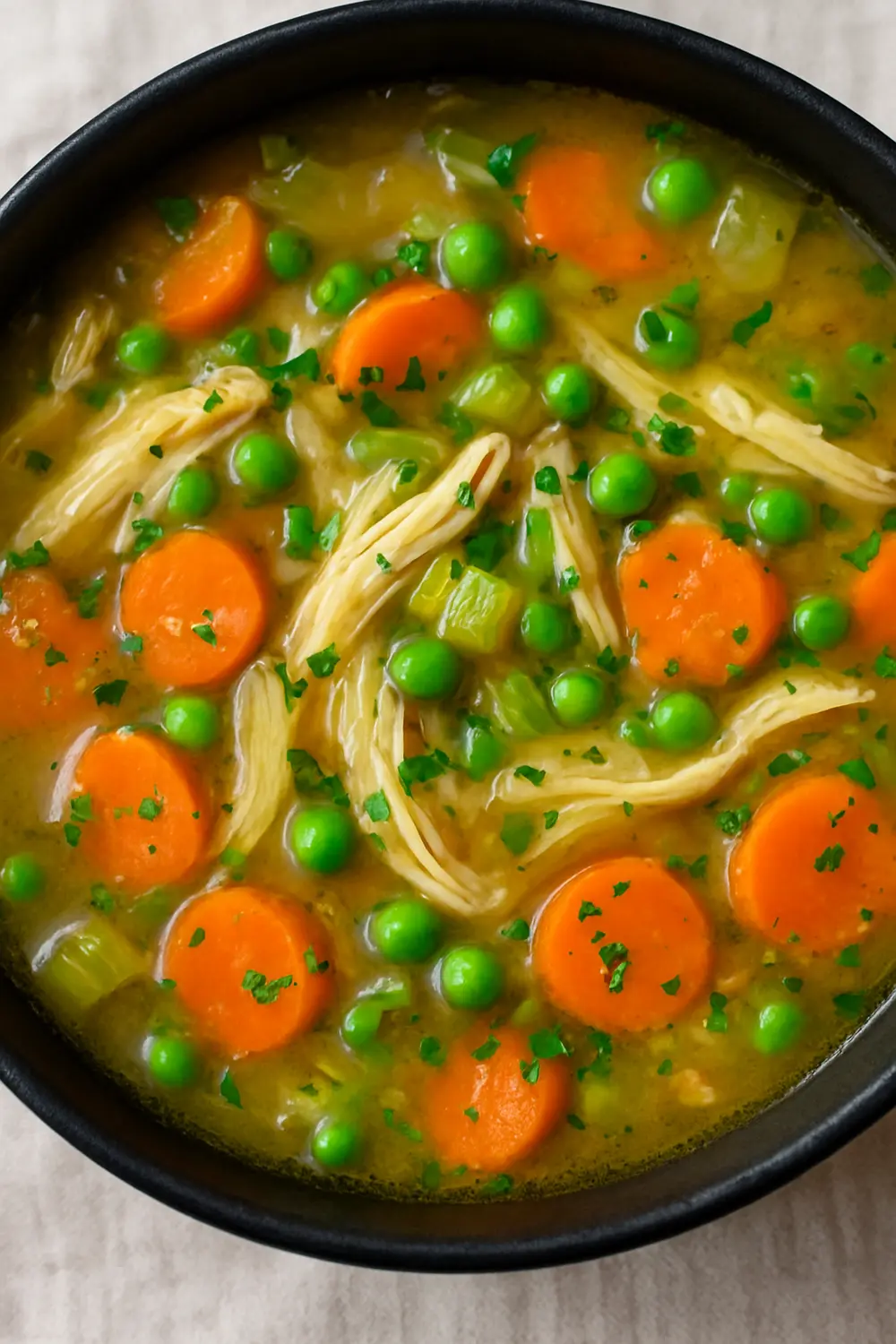
Key Ingredients You’ll Need for This Easy Chicken Soup Recipe
Every ingredient in this recipe is selected for both its culinary contribution and its specific health-boosting properties:
1. Chicken (Thighs or Breasts)
- Chicken provides the protein backbone of the soup, supplying essential amino acids that help repair and maintain tissues in the body.
- Thighs are juicier and richer in flavor, while breasts are leaner and lighter, allowing you to tailor the soup to your preference.
- Protein from chicken also contains L-glutamine, an amino acid that supports gut health, immune function, and overall recovery.
2. Chicken Bone Broth
- Using chicken bone broth instead of regular stock creates a richer, more nourishing base.
- Bone broth is full of collagen, minerals, and amino acids that give the soup a silky texture and a depth of flavor that standard stock can’t match.
3. Extra Virgin Olive Oil or Avocado Oil
- Healthy oils like extra virgin olive oil or avocado oil serve as the perfect base for sautéing the vegetables, helping to carry and enhance the flavors of the aromatics.
- Beyond flavor, these fats are essential for your body to properly absorb curcumin, the active compound in turmeric, which is fat-soluble.
- Including these oils ensures that you get the maximum anti-inflammatory and immune-supporting benefits from the turmeric.
4. Alliums
- Onions, leeks, and garlic form the aromatic backbone of the soup, creating layers of flavor that develop as they slowly cook.
- Onions bring a natural sweetness, leeks add a subtle, buttery depth, and garlic contributes a sharp, fragrant punch that enlivens the dish.
5. Root Vegetables
- Carrots and celery are the classic mirepoix base, providing natural sweetness, aroma, and subtle texture to the soup.
- Carrots offer a gentle, earthy sweetness and a beautiful orange hue from beta-carotene, while celery adds a mild, slightly salty, and refreshing flavor that balances the dish.
6. Turmeric Powder or Fresh Root
- Turmeric gives the soup its vibrant golden color and distinct earthy, warm flavor.
- Whether using powder or fresh root, it blends seamlessly with the other aromatics to create a rich, comforting broth.
7. Fresh Ginger
- Ginger adds a bright, warming, and slightly zesty note that complements the earthy turmeric and rich coconut milk.
- Its flavor cuts through the creaminess, lifting the overall taste and adding a refreshing layer of complexity.
8. Coconut Milk
- Full-fat coconut milk adds creamy, dairy-free richness to the soup, with a slightly sweet, nutty flavor that balances the earthy spices and turmeric for a smooth, velvety broth.
- Use full-fat rather than light coconut milk, as the healthy fats are essential for your body to absorb turmeric’s curcumin.
9. Frozen Peas and Fresh Parsley
- Added at the very end, peas and parsley bring a burst of color and freshness to the soup.
- Peas provide a subtle sweetness, while parsley adds a bright, herbaceous note that lifts the entire flavor profile.
10. Fresh Lemon or Lime Juice
- A squeeze of fresh lemon or lime juice at the end brightens the soup, balancing the richness of the coconut milk and deep, earthy flavors.
- The acid helps awaken all the layers of taste, creating a more vibrant and well-rounded broth.

Kitchen Tools You’ll Need This Healthy Chicken Soup Recipe
While simple to make, using the right kitchen tools ensures a professional result:
- Enameled Dutch Oven or Heavy Stock Pot: This allows for even heat distribution, which is critical for a gentle simmer that won’t toughen the chicken.
- Microplane Zester: Ideal for grating fresh ginger and turmeric into a fine paste so they meld seamlessly into the broth.
- Chef’s Knife and Cutting Board: Essential for the uniform dicing of your aromatic base.
- Tongs and Two Forks: Use tongs to safely remove hot chicken from the pot and two forks to easily shred the meat into bite-sized pieces.
- Spoon Rest: Crucial when working with turmeric, as it prevents your countertop from being permanently stained by the golden broth.

Why You’ll Love This Anti Inflammatory Turmeric Chicken Soup
It’s no wonder this chicken soup has become a kitchen staple, as it is both comforting and flavorful while being packed with nutrients.
- Soul-Warming Comfort: It offers a deep sense of nourishment that is both cozy and physically restorative, making it the ultimate “sick day” remedy.
- One-Pot Simplicity: The entire meal is prepared in a single pot, meaning less cleanup and more time to relax.
- Allergy-Friendly: It is naturally gluten-free and dairy-free, fitting perfectly into Paleo or Whole30 lifestyles.
- Systemic Anti-Inflammation: Curcumin in turmeric and gingerol in ginger work together to block inflammatory pathways, often helping with joint pain and recovery from illness.
- Immune System Support: The combination of garlic, zinc from the chicken, and Vitamin C from the lemon juice helps bolster the body’s natural defenses.
- Gut Health and Repair: Bone broth provides gelatin and glutamine, which are studied for their ability to support the intestinal lining and heal “leaky gut”.
- Bioavailability Synergy: By including black pepper (piperine) and fat, this turmeric chicken soup recipe increases the body’s absorption of turmeric’s beneficial compounds by up to 2000%.
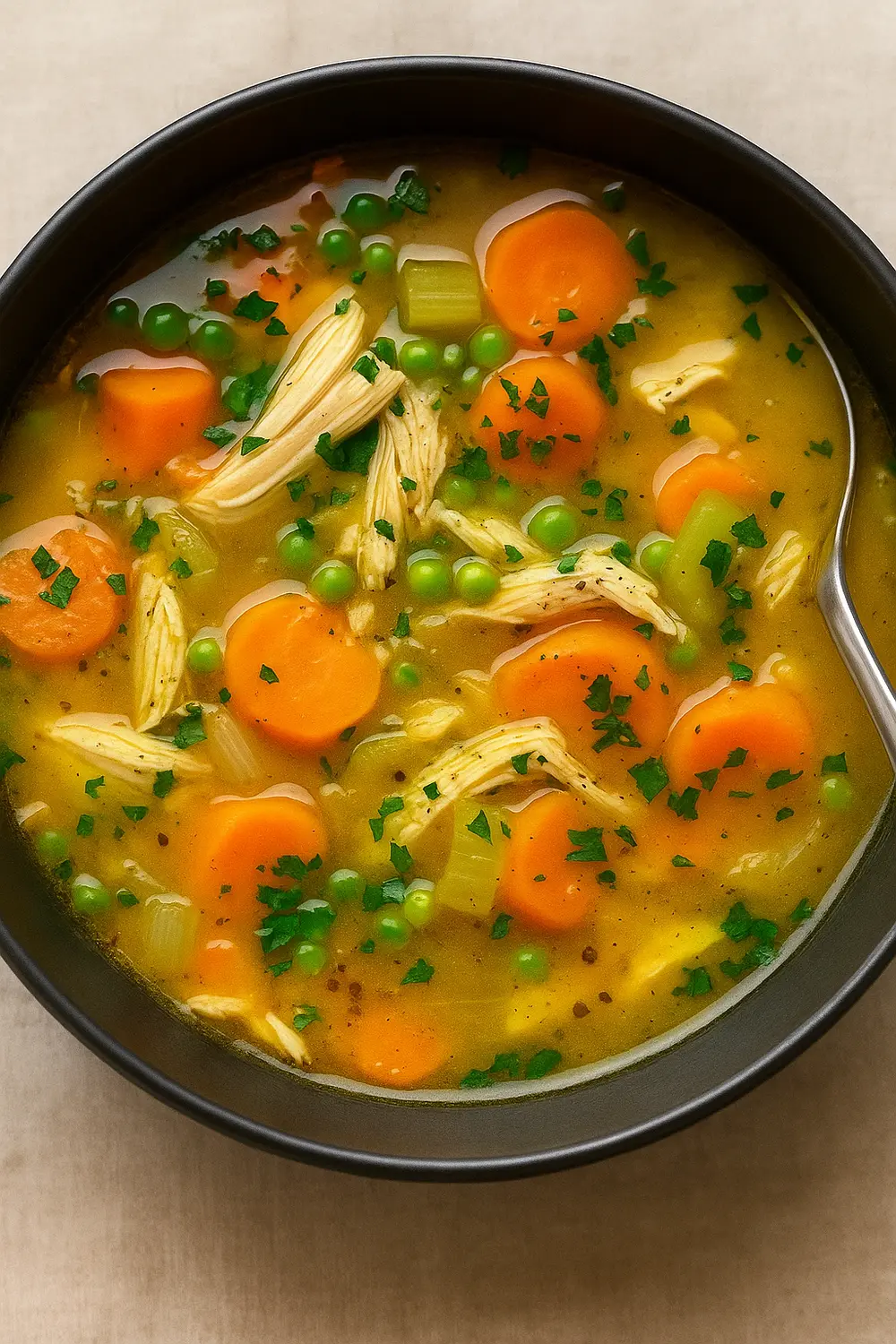
What to Serve with Turmeric Chicken Soup
While hearty enough on its own, you can elevate the meal with these pairings:
- Grains: Serve the chicken soup over a scoop of fluffy white rice, quinoa, or buckwheat soba noodles for added texture and substance.
- Bread: A warm, buttered slice of sourdough or a crusty soup roll is perfect for soaking up every drop of the golden broth.
- Toppings: Add sliced avocado for extra creaminess, fresh cilantro for a citrusy pop, or sliced red chili if you prefer a bit of heat.
- Side Salad: A light arugula or spinach salad with a simple lemon vinaigrette complements the richness of the coconut-based broth.
Chef Tips for Making the Best Chicken Soup
Creating the perfect chicken soup is all about layering flavors and maximizing the nutrients in every ingredient, and following these tips will help you bring out the best in your soup.
1. Bloom Your Spices
Sautéing your turmeric and ginger in oil before adding the liquid is a simple step that makes a big difference in flavor.
The gentle heat releases the essential oils in these spices, intensifying their aroma and taste, and infuses the oil with their earthy, warm notes.
Beyond flavor, blooming spices in oil also help unlock their health benefits. For example, curcumin in turmeric is fat-soluble, meaning it is better absorbed by your body when combined with healthy fats.
By sautéing the spices first in olive or avocado oil, you’re not only enhancing taste but also maximizing the anti-inflammatory and antioxidant potential of the turmeric and ginger.
2. Avoid the Hard Boil
Maintaining a gentle simmer is key to achieving tender, flavorful chicken and a creamy, cohesive broth, allowing the ingredients to cook slowly and evenly.
Boiling too vigorously can toughen the chicken, making it rubbery, and can cause the coconut milk to separate, leaving an unappealing texture in the soup.
High heat can degrade some of the delicate compounds in the turmeric and ginger and reduce their health benefits.
By keeping the soup at a bare simmer, you ensure both the flavor and nutritional qualities of the ingredients remain intact, resulting in a perfectly balanced, silky broth.
3. Use Cold Water
When making chicken stock from scratch, starting with cold water is essential in order to create a balanced, silky texture in the finished broth.
Gradually heating the bones and vegetables allows proteins, collagen, and minerals to release slowly, resulting in a broth that is both richer in nutrients and clearer in appearance.
This gentle process extracts the maximum flavor and gelatin without clouding the liquid.
4. The Bone-In Advantage
Using bone-in chicken instead of boneless cuts may take a bit more time, but it significantly improves the depth and body of your soup.
The bones release collagen and minerals during the simmer, creating a rich, silky texture and a more robust, savory flavor that boneless chicken alone cannot achieve.
Even if you remove the bones before serving, their contribution to the broth is invaluable.


Final Remarks
This anti-inflammatory turmeric chicken soup is a true comfort food classic, with tender chicken, vibrant vegetables, and a golden, flavorful broth infused with turmeric, ginger, and aromatic herbs.
Each spoonful is both nourishing and satisfying, making it perfect for cozy dinners or meal prep.
Feel free to customize it to your liking by swapping the chicken for turkey, adding extra vegetables like zucchini or bell peppers, or sprinkling in some fresh spinach or kale for an added nutritional boost.
Serve it on its own or pair it with warm quinoa, brown rice, or a crisp green salad to create a wholesome, balanced meal that’s both hearty and healthy.
If you try this recipe, we’d love to hear how it turned out, share your version, or drop your thoughts in the comments below.
You’ll find the full list of ingredients and step-by-step cooking instructions below.
Healthy Turmeric Chicken Soup Recipe
This healthy chicken soup recipe serves six and is made by simmering tender chicken thighs in a nutrient-dense bone broth with carrots, peas, and turmeric.
Turmeric Chicken Soup Ingredients
For the Protein and Finish
For the Aromatics and Spices
For the Sauté Base
How to Make the Best Chicken Chicken Soup (Step-By-Step Instructions)
Sauté the Base Vegetables
- Heat olive oil in a large, heavy-bottomed Dutch oven over medium heat.
- Add diced white onions, sliced leeks, carrots, and celery, then season with a pinch of sea salt.
- Sauté, stirring occasionally, for 10 to 14 minutes until the leeks and onions soften and start to turn a pale golden brown.
- Cook slowly to draw out the natural sugars, creating a rich, sweet base for the broth.
Add the Aromatics and Spices
- Make a small well in the center of the sautéed vegetables and add the minced garlic and grated ginger.
- Sauté for about 60 seconds until fragrant.
- Sprinkle in turmeric powder, poultry seasoning, and black pepper.
- Stir well to coat the vegetables in the oil and spices.
- Cook for 2 to 3 minutes to “bloom” the turmeric, releasing its oils and enhancing both flavor and anti-inflammatory benefits.
Add Broth and Coconut Milk
- Pour in the chicken bone broth and coconut milk.
- Use a wooden spoon to scrape the bottom of the pot, incorporating any browned bits into the liquid for extra flavor.
- Bring the soup to a very gentle simmer.
- Careful not to let it boil vigorously, which can cause the coconut milk to split.
Poach the Chicken
- Gently add the raw chicken thighs or breasts to the simmering broth, making sure they are fully submerged.
- Partially cover the pot and simmer over medium-low heat for 15 to 20 minutes.
- Poaching the chicken in the flavorful broth keeps it tender and allows it to absorb the turmeric and ginger aromas.
Shred the Chicken
- Check that the chicken is fully cooked, reaching an internal temperature of 165°F.
- Use tongs to transfer the chicken to a clean cutting board and let it rest for a few minutes.
- Shred the chicken with two forks or cut it into bite-sized pieces.
- Return the shredded chicken to the pot, mixing it gently with the broth and vegetables.
Add Peas and Parsley
- Stir in the frozen peas and fresh parsley.
- Cook gently for about 5 minutes, until the peas are bright green and tender.
- The peas add a pop of color and a subtle sweetness that complements the earthy spices.
Finish and Serve
- Turn off the heat and stir in fresh lemon juice to brighten the flavors and balance the richness of the coconut milk.
- Taste the soup and adjust seasoning with additional salt or pepper if needed.
- Serve immediately in warmed bowls for the best experience.

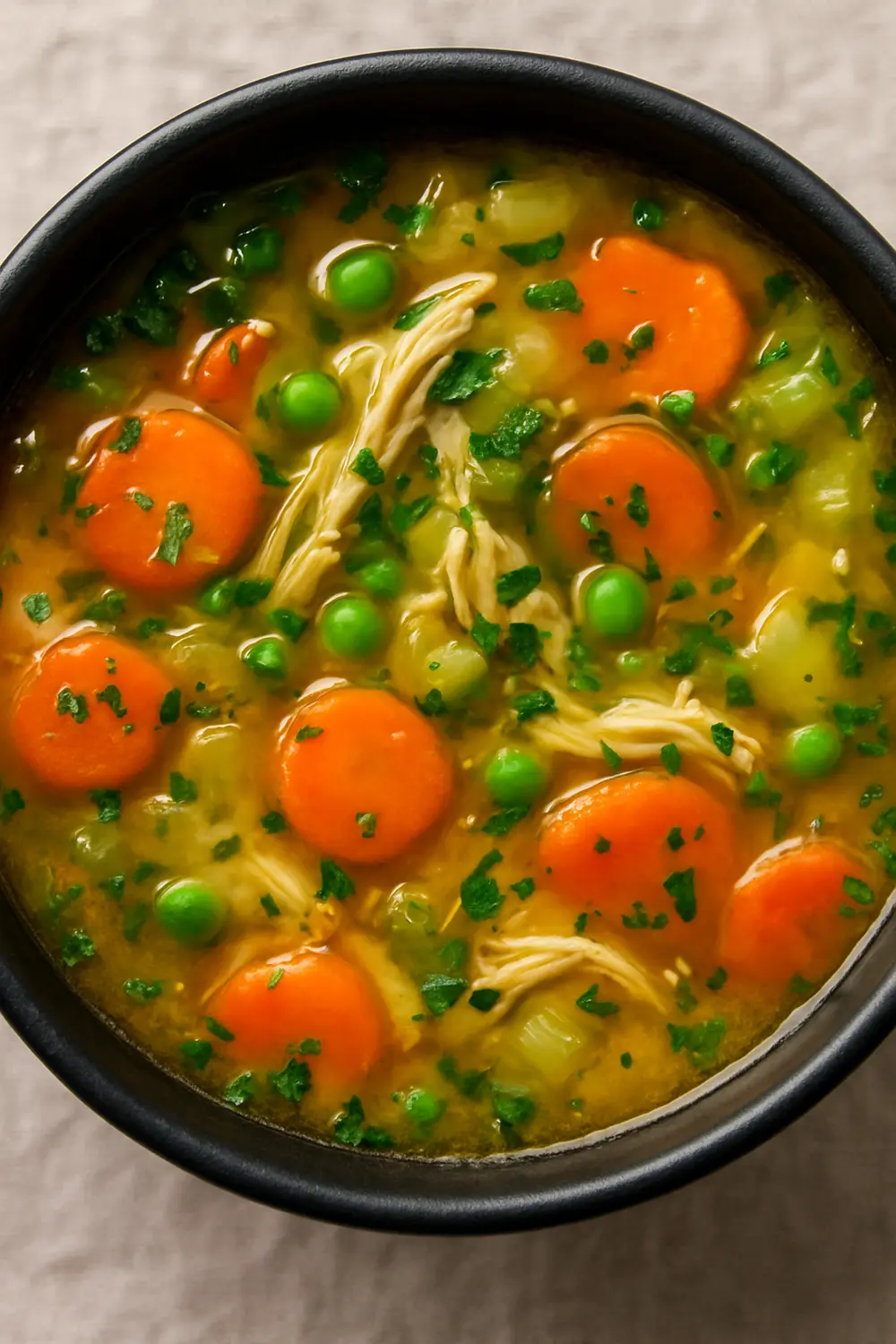
Nutrition Facts
Servings 6
Serving Size 1½ cups
- Amount Per Serving
- Calories 349kcal
- % Daily Value *
- Total Fat 12g19%
- Saturated Fat 2g10%
- Cholesterol 55mg19%
- Sodium 480mg20%
- Potassium 520mg15%
- Total Carbohydrate 12g4%
- Dietary Fiber 3g12%
- Sugars 4g
- Protein 33g66%
- Vitamin A 5662 IU
- Vitamin C 12 mg
- Calcium 60 mg
- Iron 2.5 mg
* Percent Daily Values are based on a 2,000 calorie diet. Your daily value may be higher or lower depending on your calorie needs.
Note
- Curcumin can stain utensils and surfaces, so use stainless steel or silicone tools to avoid marks.
- Slice leeks first, then soak and swirl in cold water to remove trapped dirt before draining and sautéing.
- Simmer gently rather than boiling, as high heat can toughen chicken and reduce ginger and turmeric antioxidants.
- Use full-fat coconut milk to help your body absorb turmeric’s curcumin; avoid light versions.